Government orders removal of Cáceres Cross following inclusion in Francoist symbols catalogue
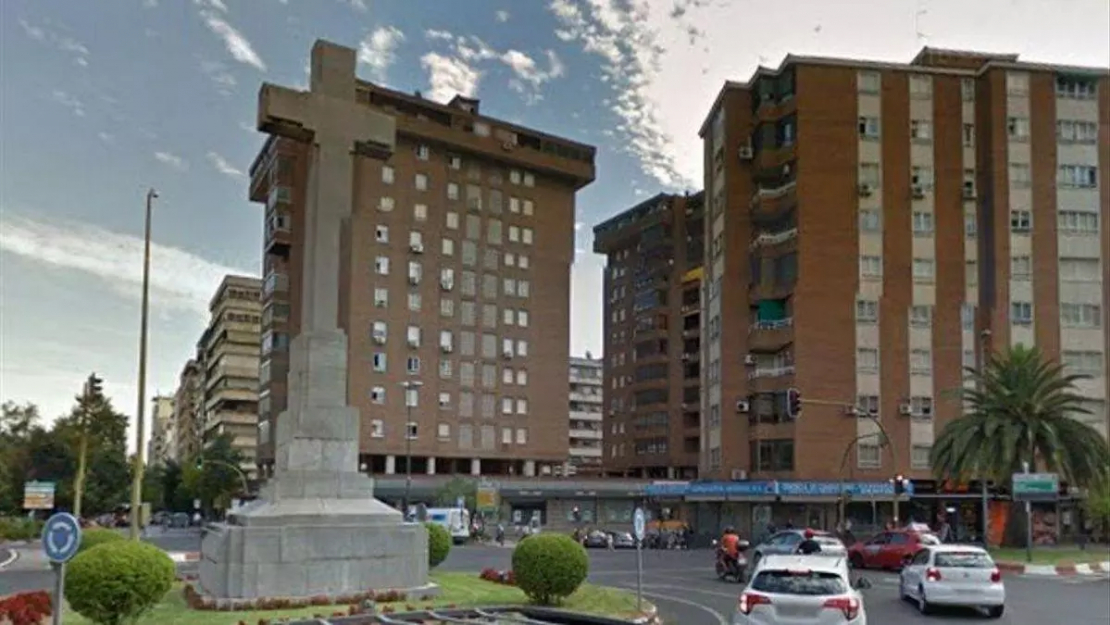
Spain’s Ministry has ordered the removal of the Cross of the Fallen in Cáceres after classifying it as a symbol contrary to "democratic memory". The decision, described by the Government as necessary due to the monument’s Francoist political origin. However, the local community strongly opposes the removal with the mayor stating that “the people of Cáceres see it as part of our city”.
The Spanish Government has ordered the removal of the Cross of the Fallen in Cáceres after formally including it in the newly established Catalogue of "Symbols and Elements Contrary to Democratic Memory" under the Democratic Memory Law. The Ministry of Territorial Policy and Democratic Memory argues that the monument has a political origin linked to the Franco regime.
The cross, erected in 1937 by municipal agreement during the Spanish Civil War, was originally intended to commemorate those killed in the conflict. While the Government maintains that its origin is “clearly political” and rejects its classification as a religious symbol, the structure itself is a large Christian cross that has remained in a central public square for decades. The Ministry further states that its prominent location constitutes an element of “humiliation” for victims of the dictatorship and therefore orders its removal from public space.
The decision comes in direct opposition to a recent regional agreement between the Popular Party (PP) and Vox in Extremadura, which included a commitment to pursue protection status for the monument as a Bien de Interés Cultural (Asset of Cultural Interest). That political clash has intensified the controversy, framing the removal not merely as an administrative measure but as part of a broader ideological dispute over Christian symbols.
Cáceres’ mayor has publicly opposed the order, stating: “The cross is not to be touched,” and defending it as a longstanding feature of the city rather than a Francoist relic. “The position of Cáceres City Council is not to touch the cross, because we do not see it as a Francoist vestige; the people of Cáceres see it as part of our city,” he said. Residents interviewed locally expressed similar views, with one commenting, “I’m not in favour of removing it,” and another adding, “I think it should remain, because it has always been part of the city.”
Sources: eldiario, canalextremadura
Image: eldiario