Religious freedom includes the right to live, practise and share one’s faith in public and private. Across Europe, restrictions on worship, religious symbols and peaceful Christian expression can undermine this freedom and lead to self-censorship.
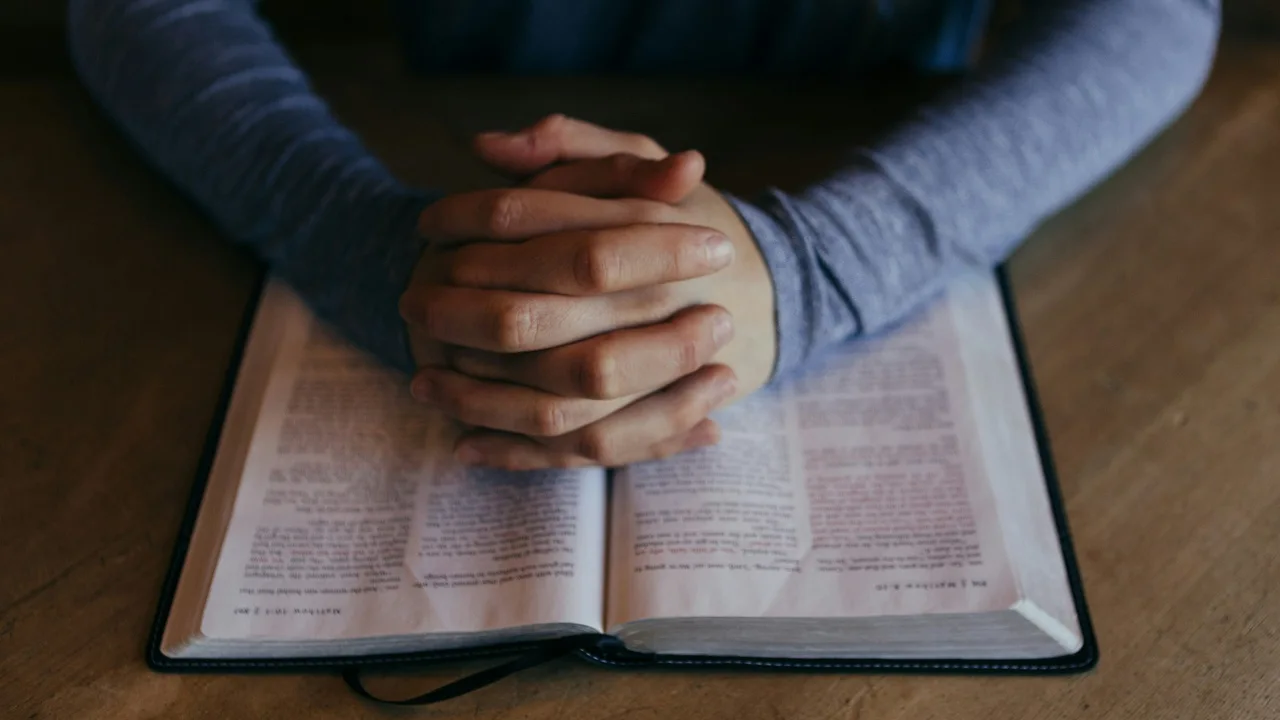
Article 9 of the European Convention on Human Rights (ECHR) and Article 18 of the International Covenant on Civil and Political Rights (ICCPR) protect the right to freedom of thought, conscience and religion. This includes the freedom to have, adopt or change one’s religion or belief and, either individually or in community with others, in public or private, to manifest it in worship, teaching, practice and observance.
This right encompasses living according to one’s religious convictions, public prayer, preaching and sharing one’s faith. Its scope also includes religious communities’ autonomy over their internal affairs and membership and parents’ rights to ensure their children’s religious and moral education in accordance with their own convictions.
The freedom to hold or adopt a religion or belief (forum internum) is absolute. Its manifestation (forum externum) may be restricted only under specific conditions: limitations must be prescribed by law, pursue a permitted legitimate aim, and be necessary and proportionate. Radical secularist approaches seeking to confine religion to private life disregard its protected public dimension.
OIDAC Europe systematically documents restrictions affecting Christians across this broad range of rights. These include police intervention against public evangelism, restrictions on religious symbols, interference with religious autonomy, and proceedings concerning the peaceful expression of Christian convictions. Laws need not explicitly address religion to restrict its exercise.
Legal challenges have secured important protections, but proceedings can entail considerable personal and financial costs. These burdens can have a “chilling effect” on the exercise of religious freedom, discouraging believers from openly expressing or practising their faith and leading to self-censorship.