Fear of social rejection, professional repercussions or legal consequences can lead Christians to hide their beliefs. This self-censorship limits religious expression and weakens open dialogue in universities, workplaces and public life.
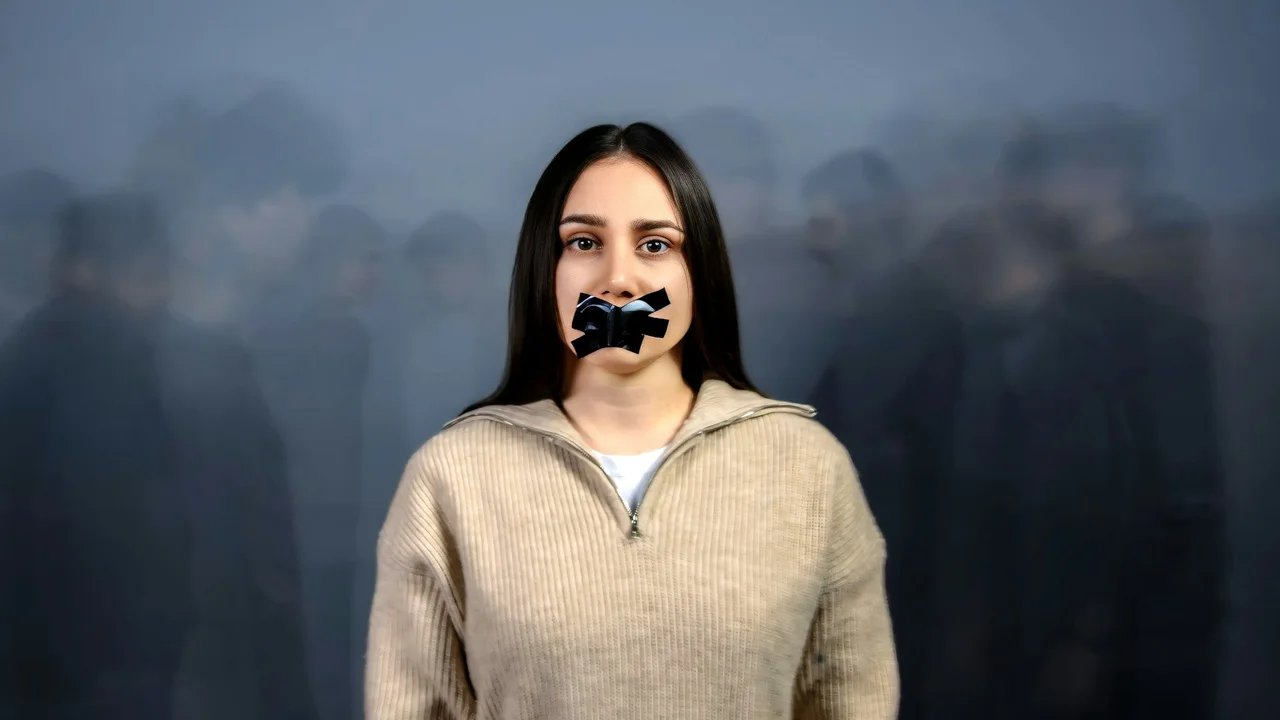
Self-censorship is an increasingly documented problem affecting Christians in European public life. It occurs when people withhold their beliefs or avoid expressing their convictions because they fear social rejection, damage to their careers, disciplinary action or legal consequences. Religious freedom may remain formally protected while becoming harder to exercise openly.
Discrimination against one person can discourage many others from speaking. Dismissals, cancelled lectures or prolonged investigations can create a “chilling effect”: those observing such cases begin to regard silence as safer, even where their expression would be lawful. A successful legal challenge may vindicate the individual without immediately removing this wider fear.
Research examined in OIDAC Europe’s contribution in the International Journal for Religious Freedom, Religious freedom without freedom of speech?, identifies universities as a particular area of concern. Studies describe students withholding views that differ from prevailing opinions, with Christian students reporting difficulties discussing their faith and convictions. Pressure is especially apparent around marriage, sexuality and abortion, where traditional Christian positions can be labelled inherently offensive or hateful. This can blur the distinction between expressing a belief and treating another person unfairly.
OIDAC Europe’s documentary Self-Censored explores these pressures through conversations with nine Christian students from seven European countries. Across different denominations and national settings, participants describe hiding aspects of their faith or avoiding certain discussions for fear of rejection and negative consequences for their academic success. The film also presents positive experiences and their hopes for more open dialogue.
The consequences extend beyond Christians. When people conceal lawful convictions, universities lose opportunities for intellectual exchange and public debate becomes less representative. Addressing self-censorship therefore requires institutions to protect lawful expression consistently while encouraging respectful dialogue, including disagreement across religious and non-religious worldviews.