Converts to Christianity in Europe can face family rejection, intimidation, threats and violence because of their change of faith.
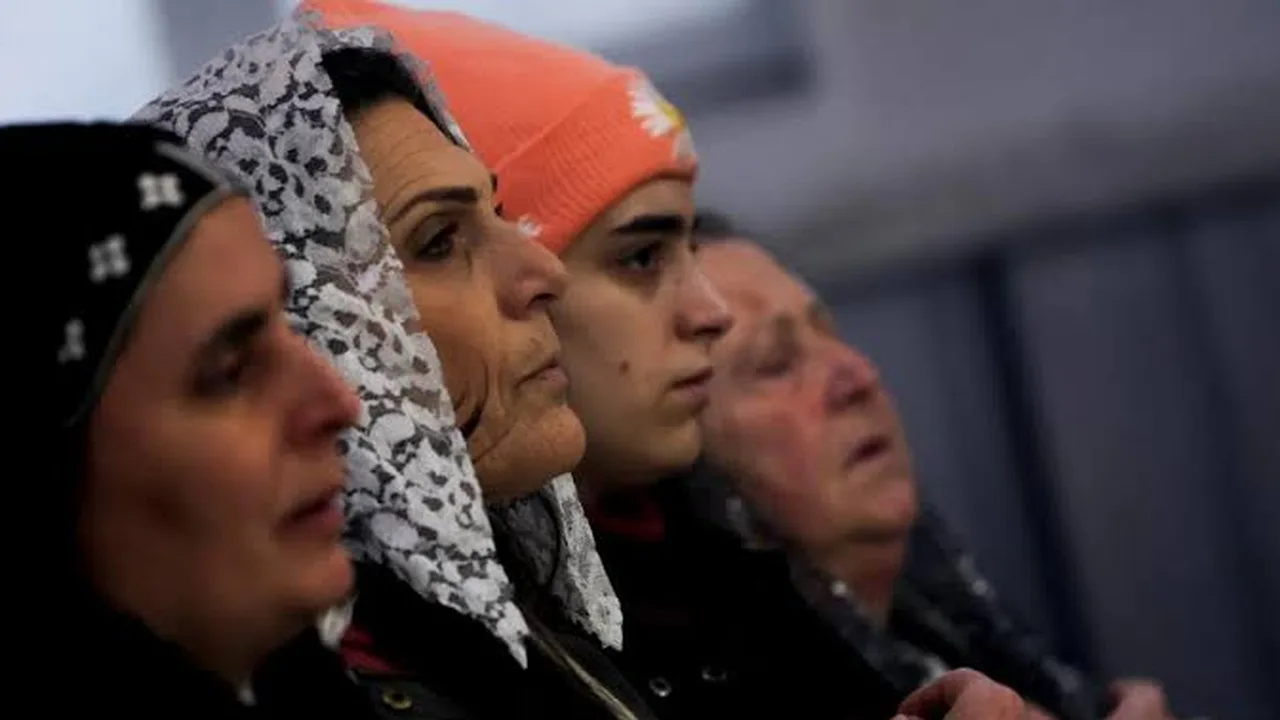
The freedom to change one’s religion is a fundamental component of religious freedom. Yet becoming a Christian can expose individuals in Europe to family rejection, intimidation, threats and physical violence. Converts from Islam face particular risks where leaving the religion is sometimes treated as betrayal or apostasy. These pressures can affect European-born citizens as well as refugees and asylum seekers.
OSCE/ODIHR’s 2025 guide on anti-Christian hate crimes recognises converts’ particular vulnerabilities, including violence within families and threats in refugee accommodation. It also explains how fear can compel people to conceal their faith and prevent them from seeking help. One testimony reproduced in the guide, from a Christian refugee in Germany, captures the seriousness of this protection gap:
“I received death threats. They wanted me to return to Islam. The director said that he was powerless and couldn’t protect me.”
— Christian refugee from Iraq, quoted in the ODIHR guide, p. 44.
Research based on interviews with converts and organisations supporting them describes recurring patterns of family and community pressure, social isolation, harassment and assault as a result of their conversion in several European countries. Studies have also documented religiously motivated threats and violence against Christian asylum seekers in refugee accommodation. Asylum seekers who have converted to Christianity face a double vulnerability: hostility towards their conversion can compound the insecurity, isolation and dependence associated with displacement, making it harder to seek protection or escape abusive environments. These findings show how reaching Europe does not necessarily bring an end to persecution experienced elsewhere.
Effective protection requires authorities to recognise conversion-related threats, investigate religious bias and provide safe reporting channels and accommodation where needed. Churches and support organisations also need to understand converts’ particular security concerns. The right to change religion must be protected in everyday life, without requiring people to hide their new faith to remain safe.