Biased reporting and negative stereotypes can reinforce prejudice against Christians and cast their participation in public life as suspect. Accurate, informed coverage is essential to distinguish specific wrongdoing from the stigmatisation of believers as a group.
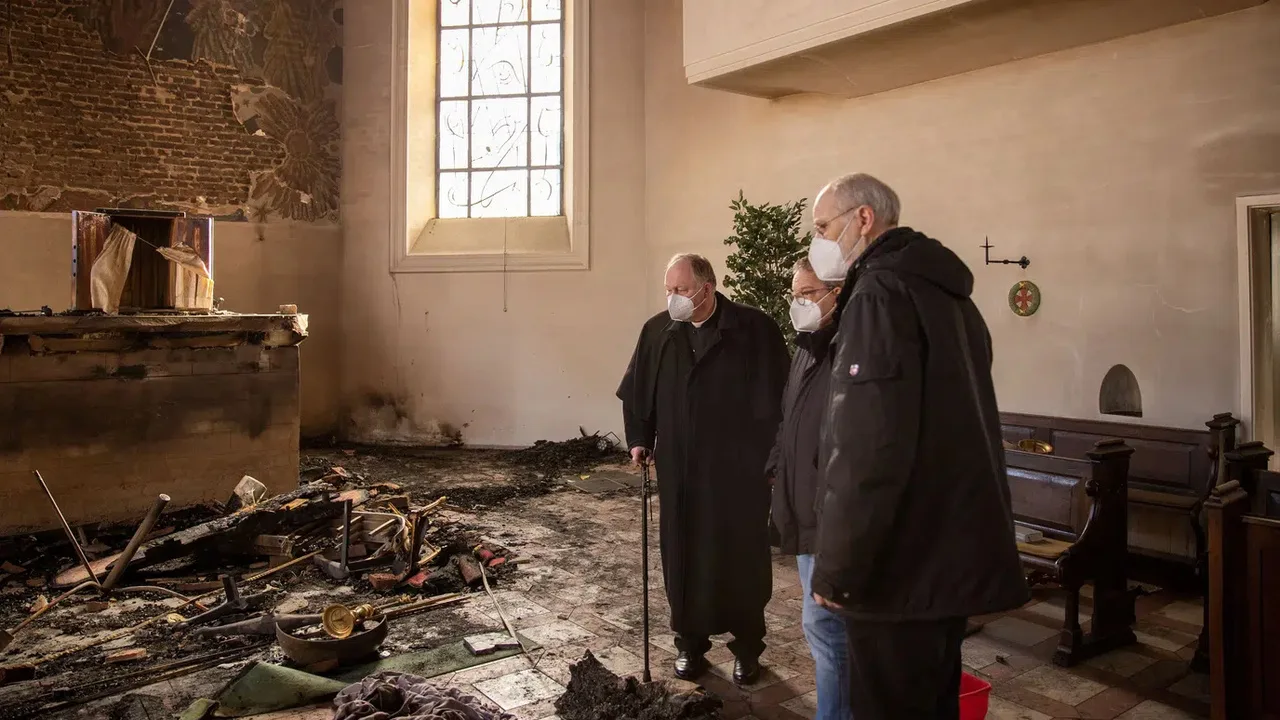
Media coverage shapes public understanding of religious communities. When reporting repeatedly portrays Christians as backward, dangerous or inherently intolerant, it can reinforce prejudice and cast their participation in public life as suspect. A 2022 global survey across different faith groups found that 61% of respondents believed the media perpetuates faith-based stereotypes, while 43% felt its approach to religion generated unease and anxiety about discussing faith.
Concerns about biased portrayals of Christians have become increasingly prominent in Europe. Research among Christians in the United Kingdom and Catholic clergy in Poland and Spain describes negative stereotyping, perceived double standards and hostility towards Christian convictions. Many respondents identify media narratives as contributing to discrimination or aggression. In Poland, almost all surveyed priests regarded the negative media image of clergy as a driver of aggression.
OIDAC Europe’s Annual Report 2026 identifies recurring problems: generalisations about entire denominations, the conflation of traditional Christian convictions with extremist conduct, and portrayals of peaceful religious expression as dangerous or socially suspect. Such framing can affect churches and organisations as well as individual Christians participating in public life.
OSCE/ODIHR’s 2025 guide, Understanding Anti-Christian Hate Crimes and Addressing the Security Needs of Christian Communities, explains that anti-Christian hate crimes “do not take place in a vacuum”. It warns that prejudicial information and political narratives can reinforce anti-Christian stereotypes and increase vulnerability to hatred. It also calls on media organisations to challenge biased narratives and provide accurate, informed portrayals of Christian communities.
Responsible reporting requires religious literacy, reliable evidence and a clear distinction between exposing specific wrongdoing and stigmatising believers as a group.