German Constitutional Court Reaffirms Church Autonomy in Hiring
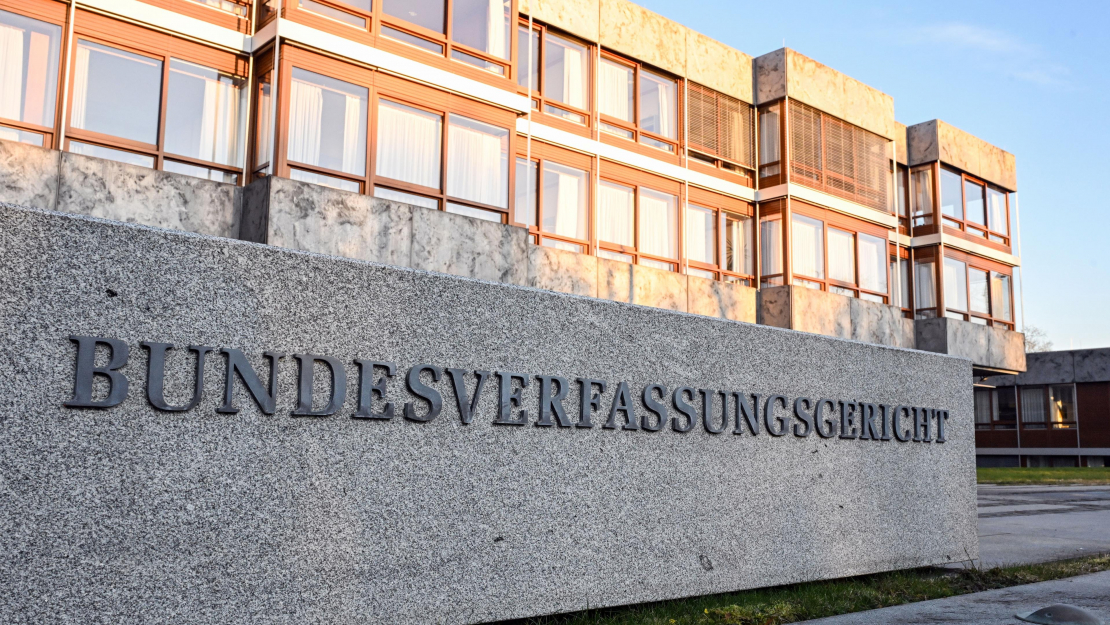
After a non-religious applicant was rejected for a job requiring Protestant affiliation, the German Constitutional Court ruled that church autonomy allows such requirements when clearly connected to the role and proportionate, reaffirming religious communities' autonomy rights.
In 2012, social worker Vera Egenberger, who was non-denominational, applied for a position at the Protestant social service agency Evangelisches Werk für Diakonie und Entwicklung (EWDE). The job involved writing a report on the UN anti-racism convention and publicly representing the organisation. EWDE required applicants to be members of a Protestant church. After receiving no interview invitation, she pursued a discrimination claim on the grounds of religion under German equality law. The lower courts reached differing conclusions, but the Federal Labour Court ultimately ruled in her favour and awarded compensation, finding the membership requirement unjustified under EU law.
The case eventually reached the Constitutional Court, which had to decide how far courts may review church hiring without infringing religious self-determination. The Court held that EU anti-discrimination law grants Member States “discretionary powers” and that European law “permits a diversity of fundamental rights within the domestic constitutional framework,” meaning German courts must give genuine weight to church autonomy when applying equality provisions.
To guide future cases, the Court set out a structured review:
- Plausibility review: Courts must determine whether there is an “objectively demonstrable direct link” between the duties of the position and the religious requirement. The assessment concerns job relevance, not theological correctness.
- Proportionality analysis: Courts must then examine whether the requirement is “essential, lawful, justified, and proportionate.” The burden lies with the employer to show why church membership is necessary.
The Court held that positions involving public representation of a church organisation can legitimately require credible alignment with its ethos. Because the lower court had not adequately accounted for this constitutional protection, the case was remitted for reconsideration.
This decision highlights a core aspect of religious freedom in Europe: the ability of religious communities to decide who may represent their beliefs. Article 9 of the European Convention on Human Rights protects this internal autonomy, including hiring choices linked to a community’s religious identity.
At the same time, the Court’s two-step test ensures that such autonomy is not unlimited. By requiring a plausible link to the role and a proportionate justification, it prevents religious criteria from being applied where they lack genuine relevance.
Source: Bundesverfassungsgericht
Image: X