Estonia’s Actions Threaten Religious Freedom, Warn UN Experts
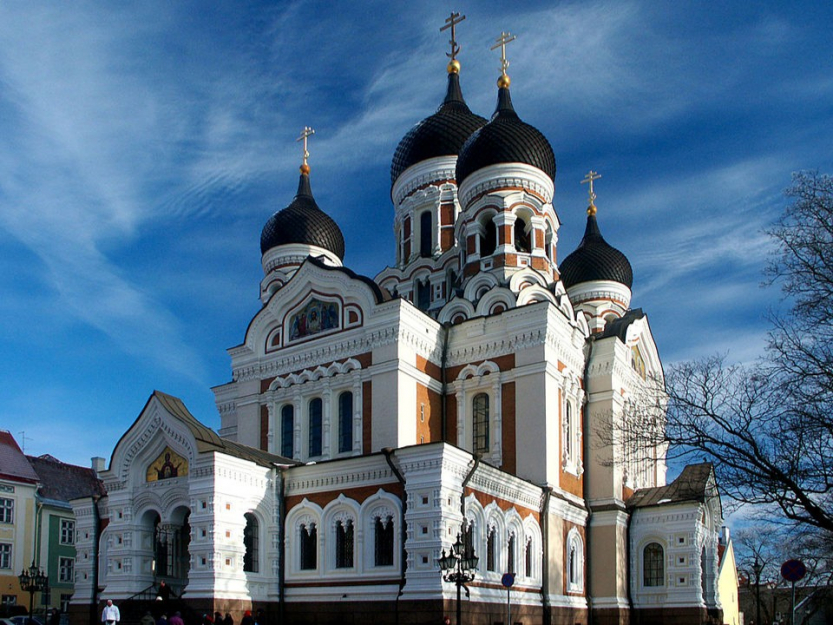
UN human rights experts have raised alarm over legislative and administrative measures in Estonia that target the Estonian Orthodox Christian Church (EOCC). They warned that these actions—ranging from legal amendments to restrictive treatment of clergy—could disproportionately limit religious freedom.
The UN experts highlighted that recent legislative amendments of the Churches and Congregations Act and administrative decisions risk stigmatising the EOCC, the country’s largest Christian denomination. Measures cited include withdrawal of public funding, exclusion from consultations, restrictive residence-permit decisions for clergy and abrupt termination of property leases. Senior clergy have reportedly been expelled or removed without adequate procedural safeguards.
“These actions disrupt normal religious life and may undermine the autonomy that should be granted under freedom of religion or belief,” the experts stated. They also noted that while the legislation appears general, it has been applied almost exclusively to the EOCC due to its historical ties to the Moscow Patriarchate.
The experts referenced international and European law, noting that national security, in itself, is not a sufficient ground for restricting freedom of religion or belief and that any limitations must be justified with careful attention to full respect of human rights, including proportionality, necessity and non-discrimination.
They welcomed President Alar Karis’s decision to send the legislative amendments to the Supreme Court for constitutional review and urged the government to halt actions against the EOCC pending this review.
