UK Police Ban Christian March Over Fear of Muslim Community Reaction
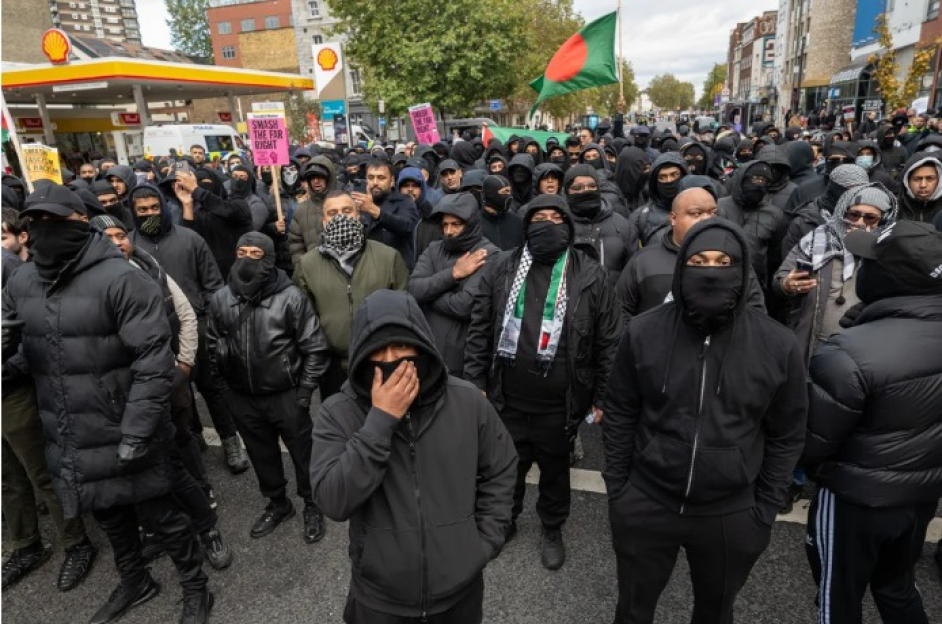
The Metropolitan Police blocked a UK Independence Party “Walk With Jesus” march scheduled for 31 January in Whitechapel, east London, citing fears it would provoke a hostile reaction from the local Muslim community and lead to “serious violence and disorder.”
Scotland Yard stopped the planned UKIP march through Whitechapel, an area with one of Britain’s largest Islamic populations, on the grounds that allowing it to go ahead there would be “reckless” given the risk of violence. Organisers had promoted the event on social media as a “Christian march” inviting people to worship Jesus Christ during January, described as “the month dedicated to the holy name of Jesus.”
Police confirmed the march could proceed in another location outside Whitechapel. Deputy Assistant Commissioner James Harman told reporters: “We reasonably believe that there would be a hostile local reaction to [the UK Independence Party's] presence – which many may perceive as provocative – and a consequent risk of violence and disorder…”
The decision to cancel the “Walk With Jesus” march exposes a striking paradox in the name of public order. Articles 10 and 11 of the European Convention on Human Rights protect freedom of expression and assembly, even for controversial views, and allow restrictions only where they are lawful, necessary, and based on clear evidence of imminent danger. Here, the march was halted not because of any unlawful content or conduct by the organisers but because authorities feared a hostile response from the local community, effectively silencing speech to prevent potential disorder. In doing so, the ban hands informal control over lawful expression to those prepared to threaten unrest, narrowing pluralism in the public sphere.
The case also raises questions of religious freedom: although organised by a political party, the march was framed as a Christian event, engaging Article 9 of the Convention, which protects the public manifestation of belief. Suppressing it out of fear of community backlash undermines mutual tolerance and weakens the Convention’s role in safeguarding open democratic life, showing how attempts to maintain order can end up curtailing the very freedoms they are meant to protect.
Sources: GB News, news.met.police.uk
Image: Facebook