Vienna Court: Prayer Vigil Outside Abortion Facilities Permitted
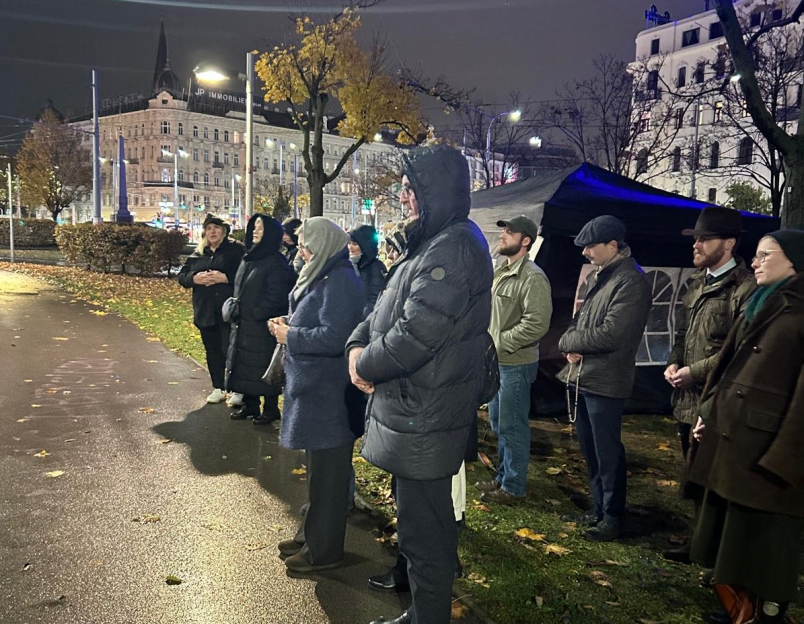
In January 2026, the Vienna Administrative Court ruled that a peaceful prayer vigil held in the proximity of an abortion facility in Vienna falls within the scope of the constitutionally protected freedom of assembly. The decision overturned an earlier prohibition issued by the Vienna police authorities.
In August 2025, the pro-life organisation Jugend für das Leben registered a public assembly in Vienna in the form of a silent prayer vigil held in the proximity of an abortion facility. The gathering was part of the international initiative “40 Days for Life” and was described as a peaceful prayer for the protection and dignity of human life.
The Vienna Police Directorate (Landespolizeidirektion Wien) classified the planned event as a “religious activity” rather than a protected assembly and issued a prohibition on holding the vigil in the proximity of the abortion facility.
The organisers challenged the prohibition before the Vienna Administrative Court. In January 2026, the court retrospectively annulled the police prohibition, confirming that the authorities had acted unlawfully in denying the organisers this protection. The court thereby also confirmed that the planned prayer vigil met the legal criteria of an assembly and was therefore protected under the Austrian constitutional right to freedom of assembly.
‘The Vienna Administrative Court has clearly stated that peaceful prayer constitutes an assembly protected by the constitution. Freedom of assembly and freedom of expression ensure that committed, peaceful voices for the protection of human life are also allowed to express themselves publicly,’ explained Dr Felix Böllmann, head of the European legal department of ADF International, a human rights organisation that supported the case together with a Viennese lawyer.
The court’s reasoning reflects established human-rights jurisprudence that restrictions on assembly and religious expression must meet strict standards of necessity and proportionality and cannot be based on the content or viewpoint of the expression alone. The Bavarian Constitutional Court has issued a similar ruling in August 2025 (OIDAC reported).
Source: pro Medienmagazin, ADF International
Image: ADF International