Aachen Court: Police Order Banning Pro-life Prayer Gatherings Near Abortion Facility Are Illegal
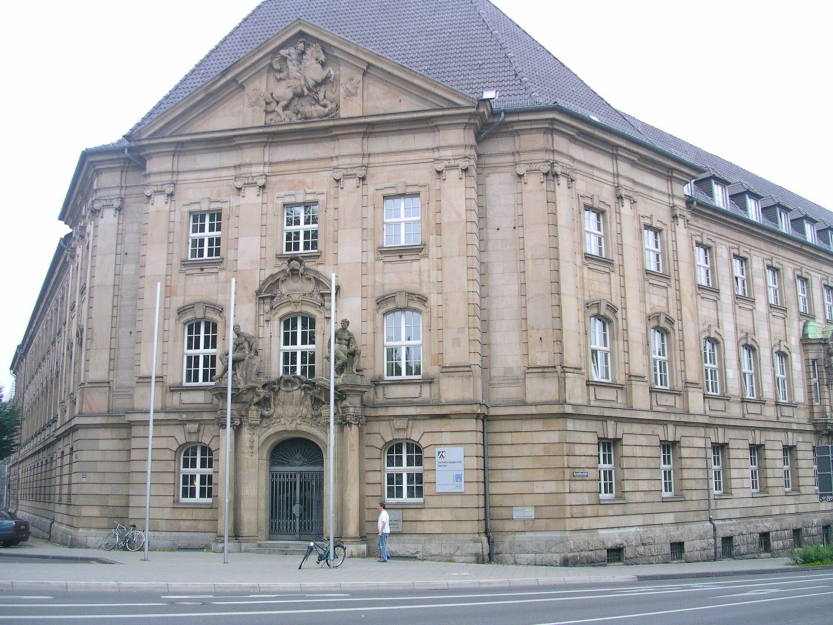
The Administrative Court of Aachen has ruled in favour of a pro-life association, finding that a police order prohibiting its monthly prayer gatherings within 100 metres of a gynaecological practice in Aachen was unlawful. The ruling found that no blanked "buffer zones" could be established under the law and that gatherings remain protected under freedom of expression and assembly as long as they do not obstruct or directly harass patients.
On 18 March 2026, the Administrative Court of Aachen ruled in favour of a pro-life association, finding that a police order prohibiting its monthly prayer gatherings within 100 metres of a gynaecological practice in Aachen was unlawful. The group had been gathering since 2005 opposite the clinic, displaying images of unborn children and praying peacefully without directly addressing women entering the premises.
In late 2024, police had introduced a restriction zone citing provisions of the amended Pregnancy Conflict Act, arguing that the presence of demonstrators could constitute unlawful “sidewalk harassment”. The court, however, rejected this interpretation, stating that the fundamental rights to freedom of expression and assembly must be respected even in sensitive contexts such as abortion services.
The judgment, delivered in Aachen (North Rhine-Westphalia), found that the demonstrations did not create a situation of coercion or obstruction. It noted that “pregnant women would come into contact with the participants and the pictures for at most ten seconds and could avoid them,” concluding that this did not amount to unlawful pressure under the law.
The court further held that simply expressing a moral or religious stance in public space does not constitute harassment or intimidation, provided there is no direct targeting or obstruction of individuals. It warned that an overly broad interpretation of exclusion zones could effectively prohibit all public expression near medical facilities, which would be incompatible with constitutional freedoms in Germany.
The ruling echos a similar decision by the Bavarian Administrative Court in September 2025, which also emphasised that peaceful religious or moral expression in public areas near healthcare facilities cannot be automatically equated with unlawful intimidation, reinforcing the need of strict scrutiny of fundamental rights restrictions.
Court decision: nrwe.justiz
Further sources: aerzteblatt.de, sueddeutsche.de
Photo: Wikimedia
