Church Appeals Public Order Notice Restricting Street Outreach in Colchester
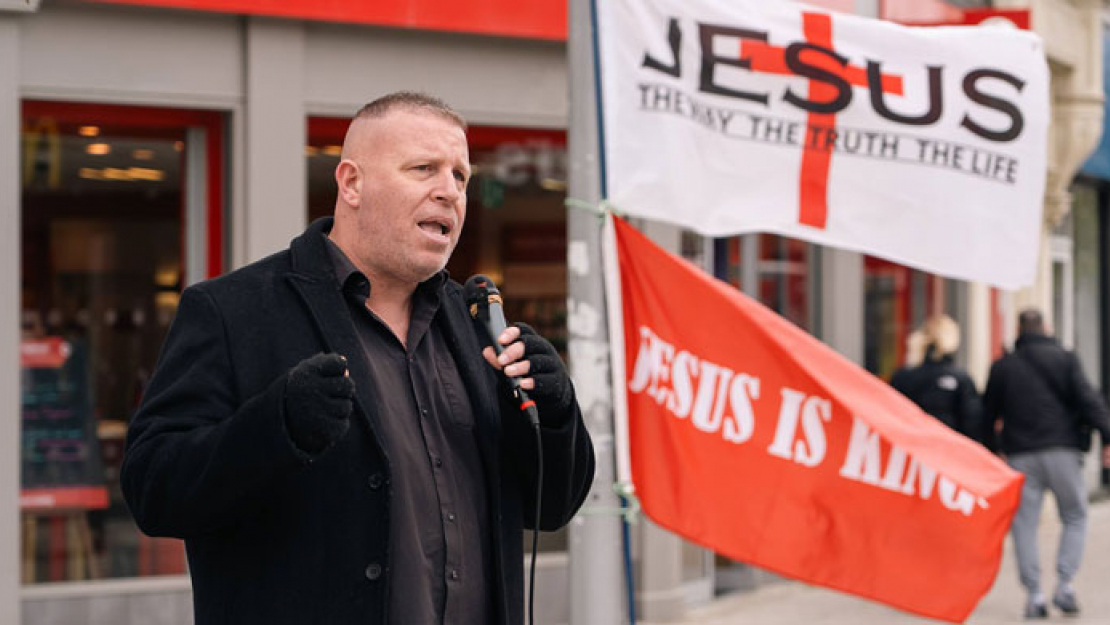
Bread of Life Community Church in Colchester, Essex, is appealing against a Community Protection Notice (CPN) restricting its street outreach. The notice is believed to be an unprecedented use of public-order legislation against an entire church, rather than individual street preachers, and raises concerns as it addresses not only the manner of preaching but also the content of religious messaging.
Bread of Life Community Church has been served with a Community Protection Notice (CPN) by Colchester City Council, which prohibits the use of amplification during street preaching and cites the church’s “religious messaging” — including references to hell — as causing “harassment, alarm and distress”. Breaching the notice would constitute a criminal offence, placing Pastor Stephen Clayden and church members at risk of prosecution for continuing their long-standing ministry. In court, the council stated that a “vulnerable man” had complained about the volume of amplification and alleged he was told he was “going to hell” after covering his ears.
The church has conducted public preaching, hymn singing, Bible distribution and prayer in Colchester for around six years, stating that its outreach has not previously generated formal complaints. Alongside its street activity, members also provide charitable support, including food bank collections and assistance to homeless individuals.
While initial concerns reportedly focused on the use of amplification, the CPN extends to the content of the message itself, alleging that references to “hell” may cause “harassment, alarm and distress”. Council wardens are reported to have described aspects of the preaching as “unreasonable” and detrimental to the community, and the notice states that officials attempted to “educate” the preachers about their conduct.
The church denies any threatening or harassing behaviour and maintains that its activities are peaceful, lawful, and fully recorded and livestreamed. In its formal appeal, it argues that treating core biblical teachings on judgment or hell as intimidation constitutes a mischaracterisation of protected religious expression. It further states that no objective evidence of harm or documented incidents have been provided to justify criminal enforcement action.
Pastor Stephen Clayden commented: “Today it is amplification; tomorrow it is the content of the message itself. We are seeing a slippery slope from managing noise to policing theology. If a church can be criminalised simply for proclaiming the gospel, then freedom of religion and speech in the UK are in serious jeopardy.”
The case was heard at Colchester Magistrates’ Court on 1 May 2026. Further hearings are scheduled for 22 October at Southend Magistrates’ Court and 29 October at Chelmsford Magistrates’ Court.
Supporters of the church argue that the case reflects a broader pattern in which public-order powers risk shifting from regulating behaviour to restricting religious expression in public spaces. Similar disputes involving restrictions on Christian outreach have been reported in other parts of the United Kingdom, including cases in Uxbridge and Aldershot where local authority measures were legally challenged or withdrawn.
Source: Christian Concern, BBC, gazette-news
Photo: Christian Concern