Court Drops Conviction Under Northern Ireland Abortion "Buffer Zone" Law
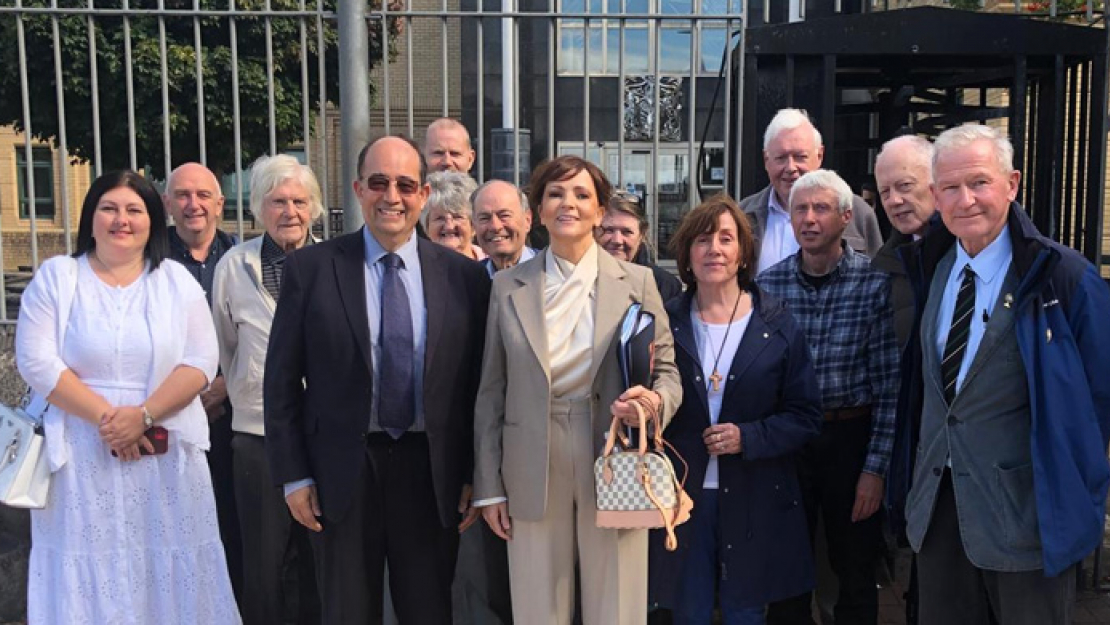
Claire Brennan, the first person convicted under Northern Ireland’s abortion “safe access zone” legislation for praying and speaking with and offering support to a woman, has had her conviction quashed after the prosecution case collapsed in court.
Claire Brennan, a Christian mother from Ballymena, has had her conviction overturned after becoming the first person prosecuted under Northern Ireland’s Abortion Services (Safe Access Zones) Act 2023. Brennan had been accused of praying, speaking with women and offering support outside Causeway Hospital in Coleraine, within the 150-metre abortion buffer zone established under the law (OIDAC reported).
The prosecution case collapsed at Coleraine Magistrates’ Court after key witnesses failed to appear and the remaining evidence was deemed insufficient to sustain the charges. District Judge King subsequently quashed the conviction.
The case has intensified debate around abortion “safe access zone” legislation in Northern Ireland, particularly among Christian and pro-life groups who argue the measures disproportionately target Christians and criminalise the peaceful expression of beliefs about the sanctity of life. Supporters of Brennan say such laws also restrict the possibility of offering practical or emotional support to women facing crisis pregnancies.
Court documents showed that Brennan’s defence relied in part on protections under Articles 9 and 10 of the European Convention on Human Rights, relating to freedom of thought, religion and expression. Andrea Williams, chief executive of the Christian Legal Centre, stated that Brennan “was engaged in peaceful, compassionate activity, praying and offering support,” but nevertheless “faced criminal prosecution for living out her Christian faith.”
The controversy comes shortly after another Christian, retired pastor Clive Johnston (OIDAC reported), was convicted and fined under the same legislation after holding a religious service near the same hospital. Campaigners supporting both cases argue the law is creating a chilling effect on Christian speech and public expressions of faith.
Source: gript.ie, premierchristian, youtube
Photo: Christian Concern