All cases
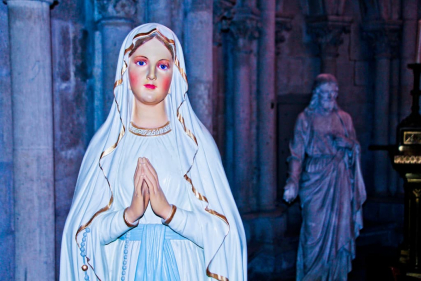
Vandals Damage Religious Statue Inside Church
January 21, 2026, FranceA statue of the Virgin Mary was found to have been deliberately knocked over and damaged on 21 January 2026 inside the Église Saint-Sylve in Toulouse, where the parish priest discovered the overturned figure after the morning Mass.
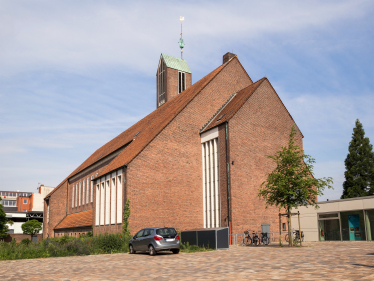
Graffiti and Damage Reported at Emden Church
January 21, 2026, GermanyBetween 16 and 21 January 2026, the Martin Luther Church in Emden was vandalised with graffiti, and its lightning rod wire was deliberately damaged by unknown individuals.

Nativity Scene Theft Reported at Church in Grone
January 19, 2026, ItalyA theft occurred at the church of Santa Maria Nascente in Grone in mid-January, when two individuals from the Milan area stole a ceramic statuette of the infant Jesus from the church’s nativity scene.
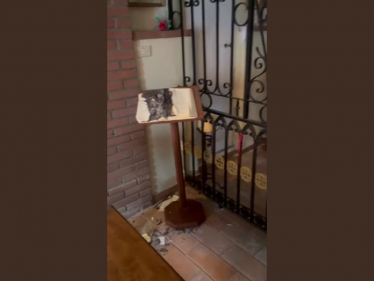
Missal Set Ablaze in Alessandria Chapel
January 19, 2026, ItalyOn the morning of 19 January 2026, an unknown individual set fire to a liturgical missal inside the Chiesa del Monserrato in Alessandria.
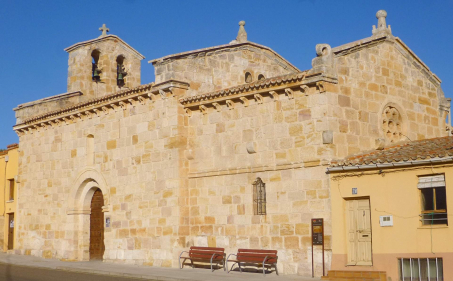
Zamora Suffers Another Vandal Attack on Church
January 18, 2026, SpainOn 18 January 2026, vandals defaced the rear façade of the Iglesia de Santiago el Burgo in Zamora with a slogan: “More housing and fewer churches”.
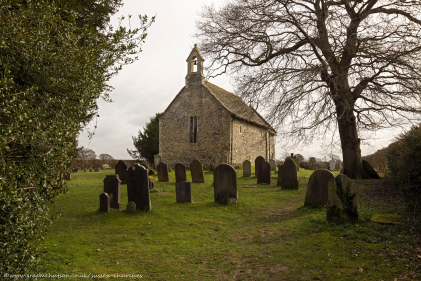
Buncton’s 11th‑Century Church Attacked
January 18, 2026, United KingdomAll Saints Church in Buncton, West Sussex, suffered extensive damage after almost all of its windows were smashed and fixtures vandalised between 13 and 18 January.

Catholic Priest Brutally Attacked on Pastoral Visit in Sieradz
January 18, 2026, PolandA Catholic priest from the Sacred Heart of Jesus parish was brutally attacked by an unknown perpetrator. According to the report, this is not the first incident to occur in this parish.

Sacred Objects Damaged During Prayer in St Peter Basilica
January 17, 2026, ItalyAn incident took place inside the Cappella del Santissimo Sacramento at the Basilica of Saint Peter in Rome, where a man threw several sacred objects from the altar to the ground during Eucharistic adoration.
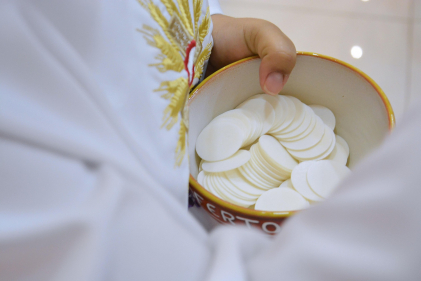
Profanation at Église Saint-Sever: Theft of Consecrated Hosts
January 16, 2026, FranceAt the Église Saint-Sever in Rouen, France, consecrated hosts were stolen from the tabernacle of the Chapel of the Holy Sacrament on 16 January 2026, an act described as grave profanation.
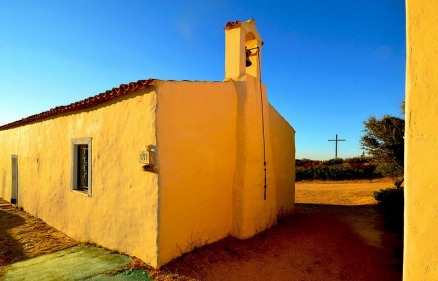
Golfo Aranci Church Vandalised
January 16, 2026, ItalyVandals targeted the Nostra Signora del Monte church in Golfo Aranci, causing damage to the outdoor altar and destroying surveillance equipment.
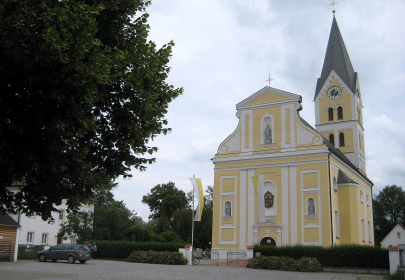
Allershausen Church Targeted in Arson Incident
January 15, 2026, GermanyA deliberate fire was set inside St. Josef church in Allershausen, Bavaria, causing damage to the interior.
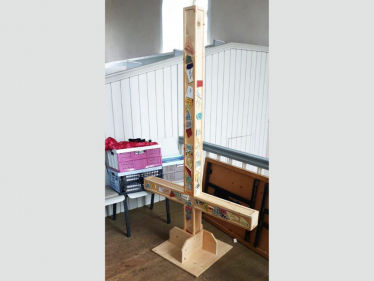
Inverted Cross, Scattered Ash and Property Damage in Lutheran Church
January 14, 2026, GermanyVandals targeted the Lutheran Church in Bad Marienberg, Westerwald, Germany, overturning furniture, scattering ash, and inverting a wooden cross, causing damage to both property and religious symbols.

Woman Stole and Burned Church Gospel Book
January 14, 2026, PolandPolice identified and detained a 41‑year‑old woman who stole a Gospel book from a church in Nowy Tomyśl and later burned it, with residents assisting in her identification.
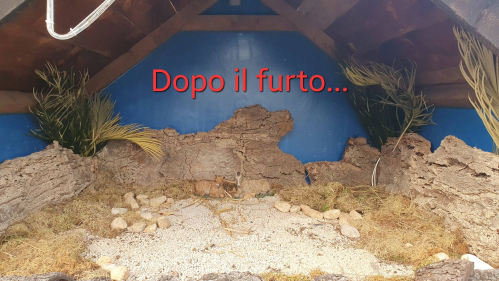
Fifteen Nativity Figures Taken from Church in Doganella di Ninfa
January 12, 2026, ItalyAt a church in Doganella di Ninfa, 15 nativity scene statues, each measuring about 30 centimetres in height, were stolen.
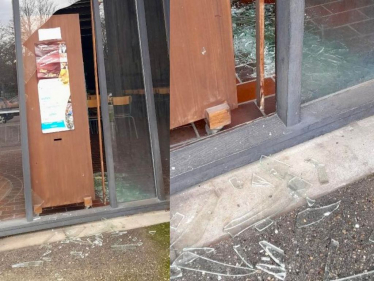
Church in Metz Vandalised Again
January 12, 2026, FranceOn 12 January, a church in Metz was vandalised, marking a repeated attack on the Église de la Sainte-Famille.
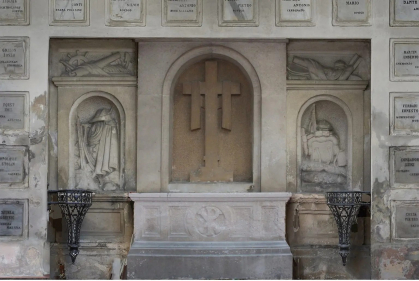
Granzette Church Desecrated with Human Waste Near Altar
January 11, 2026, ItalyA small church in the Granzette cemetery was vandalised over the weekend, with human waste found near the altar.
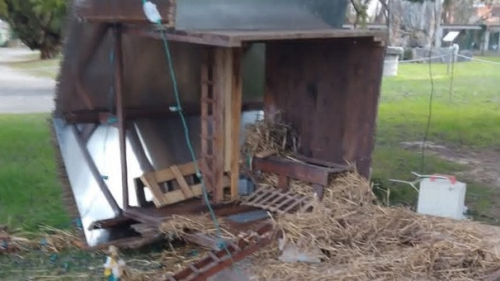
Nativity Display Destroyed in Cordovado
January 11, 2026, ItalyVandals destroyed a nativity scene displayed on the church forecourt in Cordovado, in the province of Pordenone, during the night of 10–11 January 2026, prompting condemnation from local authorities.
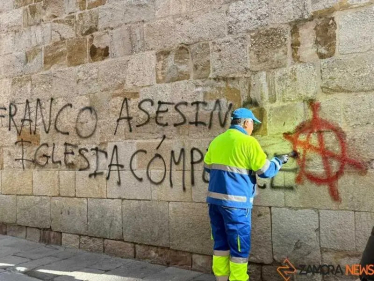
Historic Zamora Church Vandalised
January 10, 2026, SpainVandals defaced Zamora’s Church of Santa María la Nueva with slogans accusing the church of being "accomplice" of Franco and anarchist graffiti.
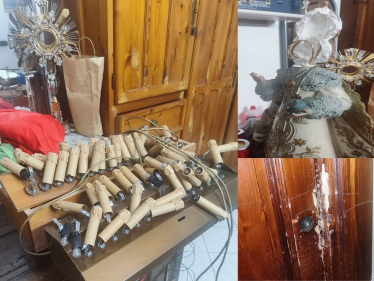
Vandals Damage Agropoli Church
January 10, 2026, ItalyA church in Agropoli was vandalised in a late‑evening incident that left sacred furnishings and a religious statue damaged.

Police Enter Church and Stop Worship Service Over “Event Permit” Dispute
January 9, 2026, NetherlandsOn 9 January 2026, police entered a church building in Tilburg and interrupted an ongoing faith-healing and worship service led by Dutch evangelist Tom de Wal, after the acting mayor prohibited the gathering on the grounds that it constituted an “event” for which no permit had been granted. The service had been relocated from Eindhoven following announced protests by LGBTIQ+ advocacy groups, which opposed De Wal's religious activity. De Wal proceeded with the religious gathering despite the prohibition and was later arrested outside the church and cited for violating a municipal ordinance.