All cases
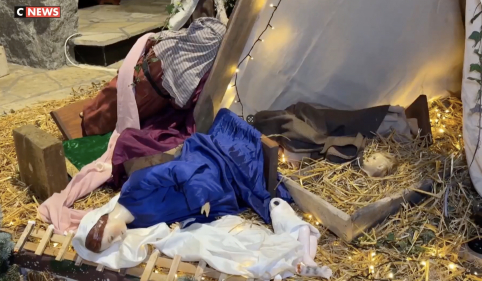
Infant Jesus Statue Decapitated in Church Vandalism
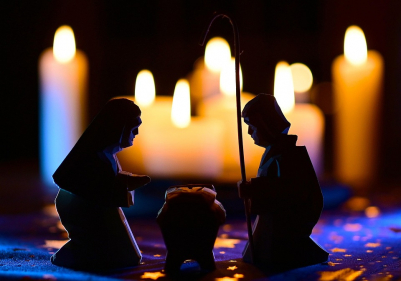
January 8, 2026, FranceA Nativity scene inside a church in Le Passage, France, was vandalised in early January 2026, with the statue of the infant Jesus decapitated and dismembered and other figures broken.
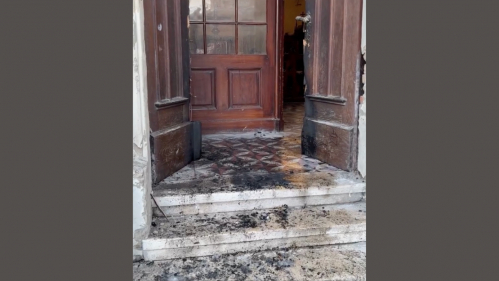
Suspected Arson Targets Catholic Church in Novi Sad
January 7, 2026, SerbiaA suspected arson attack occurred at a Catholic church in Novi Sad, northern Serbia, on Wednesday night.

Altar and Prayer Books Defaced at Catholic Church in Gersfeld
January 7, 2026, GermanyVandals targeted the Catholic church of Mariä Himmelfahrt in Gersfeld between 5 and 6 January, defacing prayer and altar books, in an incident possibly linked to vandalism at the evangelical‑lutheran Baroque church the day before.
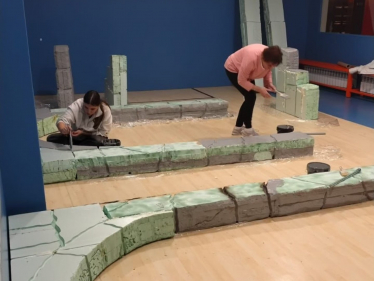
Nativity-Scene Float Vandalised in Alcalá Parade
January 7, 2026, SpainA pro-life community group in Alcalá de Henares reported that its nativity-scene parade float was vandalised at the end of the Three Kings Parade and filed an official complaint.
Series of Church Vandalisms in Steyr
January 6, 2026, AustriaAccording to recent reports, several churches in Steyr have been repeatedly vandalised since December, including a confessional set on fire.

Vandals Damage Protestant Baroque Church in Gersfeld
January 5, 2026, GermanyOn January 5, vandals entered the Lutheran Baroque church in Gersfeld on 5 January and caused deliberate damage to the building.

Utrecht Evangelist Assaulted; Video Circulates Online
January 4, 2026, NetherlandsAt an evanglism event in the centre of Utrecht over the weekend, a street preacher was assaulted by a group of men shouting Islamic slogans, according to reports.
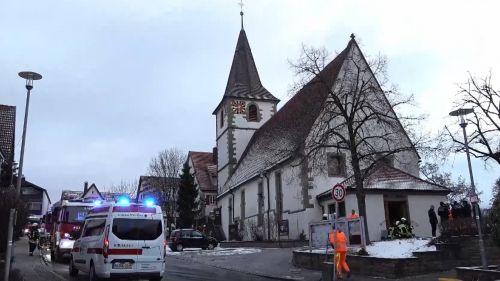
Church fire in Kirchberg shows signs of arson
January 4, 2026, GermanyInvestigators have found signs indicating that a fire in a church in Kirchberg an der Murr has been caused intentionally. The blaze caused damage to interior elements of the building.
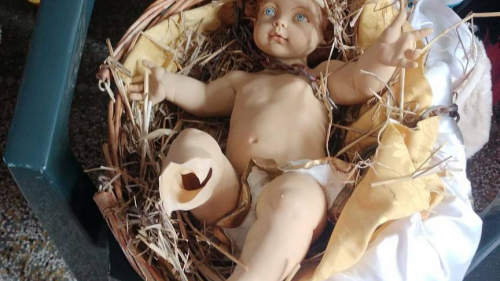
Nativity Statuette Stolen and Damaged in Lerici
January 3, 2026, ItalyA statuette from a Nativity scene was stolen and damaged during an overnight incident outside the church of San Francesco in Lerici on New Year’s Eve.
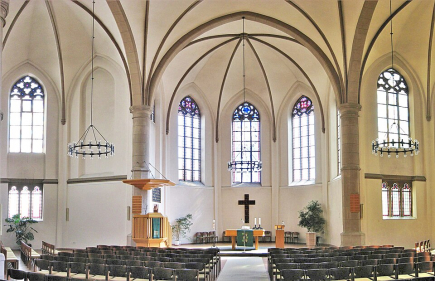
Suspected Arson at Neunkirchen Church
January 2, 2026, GermanyOn the morning of 2 January 2026, a fire broke out at the Protestant Christuskirche in the centre of Neunkirchen, Saarland. Due to the significant amount of smoke caused by the fire, it took the fire brigade several hours to ventilate the building.
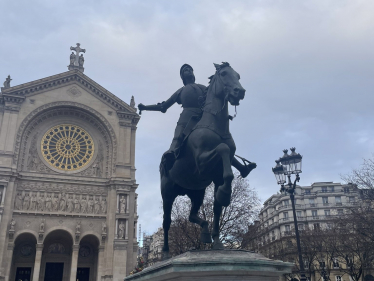
Jeanne d’Arc Statue Vandalised in Paris
January 2, 2026, FranceIn Paris on 2 January, the statue of Jeanne d’Arc on the Place Saint‑Augustin, located in front of the Église Saint‑Augustin, was vandalised in full daylight. An individual climbed the monument and forcibly removed the blade of the saint’s sword in the presence of passers‑by.
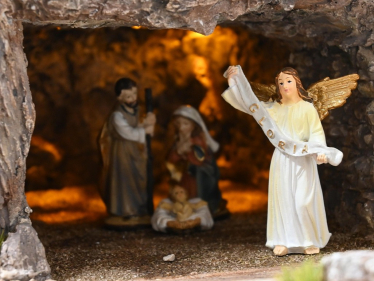
Holy Family Statuettes Stolen from Montoro Church
January 1, 2026, ItalyThe Holy Family statuettes were stolen from a Nativity scene at a church in Montoro.

Threatening and Abusive Phone Call to Church in Ankara
December 31, 2025, TurkeyIn December 2025, a church in Ankara received a phone call that escalated from inquiries about Christianity to threats and abusive language directed at the church and its official.
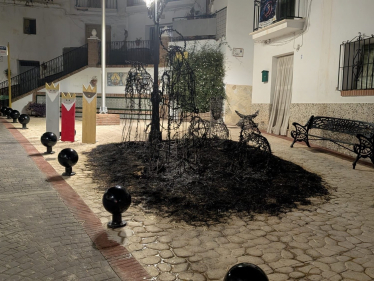
Nativity Scene Burned in Algarrobo Vandalism
December 31, 2025, SpainOn New Year’s Eve in Algarrobo, vandals targeted public festive displays, burning Christian‑themed Christmas decorations, including a nativity scene in Plaza de España.

Vienna Church Repeatedly Targeted by Graffiti Vandalism
December 30, 2025, AustriaSt. Johann Evangelist Church in Vienna was defaced with graffiti on December 30, 2025, including Arabic writing and an Antifa symbol. Police launched an investigation amid political condemnation and reports of repeated targeting of the site.
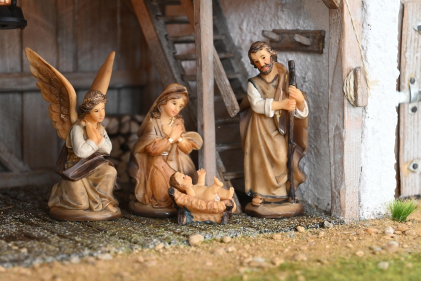
Nativity Scene Stolen from Brandara Parish Church
December 30, 2025, PortugalThe nativity scene at the Parish Church of Brandara, in Ponte de Lima, was stolen during the night from Monday into Tuesday.
Historic Statue of Our Lady Smashed Outside Church in Middlesbrough
December 30, 2025, United KingdomOn 30 December 2025, a statue of Our Lady outside a church in Middlesbrough was repeatedly pushed to the ground and smashed, causing extensive damage. The destruction of a long-standing Marian statue caused shock among parishioners and local residents.
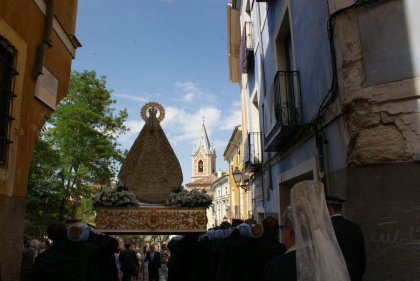
Cuenca Church Vandalised After Restoration
December 30, 2025, SpainVandals targeted the recently restored Church of La Virgen de la Luz in Cuenca, Spain, defacing its walls with graffiti and damaging the historic site.
Theft of Jesus Figurine from Nativity Scene in Sopot
December 29, 2025, PolandPolice released surveillance footage after a figurine depicting Jesus was stolen from a public nativity scene in front of the Church of St George in Sopot on the night of 29 December.
Gunfire and Explosive Device Damaged Church Entrance
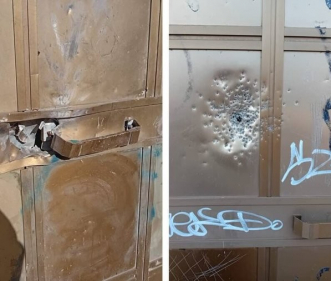
December 28, 2025, ItalyUnknown individuals fired gunshots and detonated an explosive device at the secondary entrance of the San Filippo Neri church in Palermo’s Zen neighborhood.