All cases
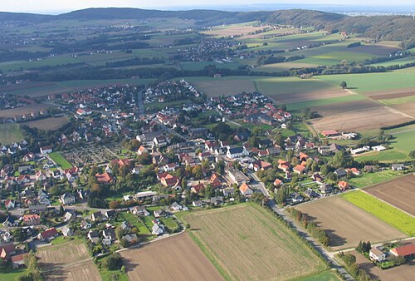
Windows smashed in stone attack on Schnathorst Village Church
November 12, 2025, GermanyUnknown perpetrators threw stones at three windows on the north side of the Schnathorst village church, causing about €5,000 in damage.
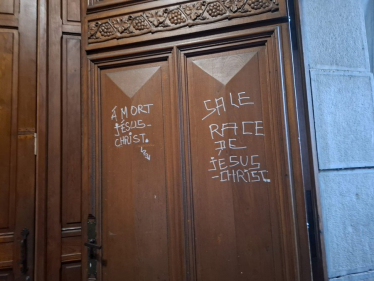
Anti-Christian Graffiti Written on Door of Lourdes Church
November 11, 2025, FrancePolice opened an investigation after anti-Catholic insults, including “Filthy race of Jesus Christ”, were discovered on the entrance of the Church of the Sacred Heart in Lourdes.
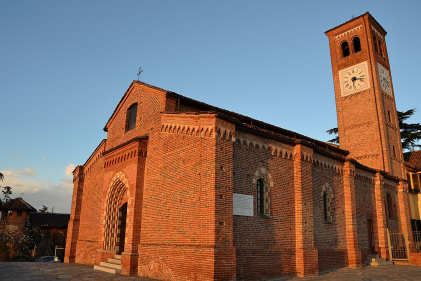
Minors Vandalise Church Grounds
November 10, 2025, ItalyThe parish of Viatosto was repeatedly targeted by vandals: open taps, glued candles, and a burnt lighter were among the troubling signs discovered by the priest.

Suspected Arson Targets Historic Christian Oratory in Taggia
November 9, 2025, ItalyA fire damaged the entrance of the Oratory of Saints Sebastiano and Fabiano in Taggia. Authorities are investigating suspected arson.

Repeated Vandalism Targets Parish and Priest
November 7, 2025, ItalyEggs hurled at the parish house and sabotage of the priest’s car marked a renewed wave of anti-Christian hostility in the Treviso community.
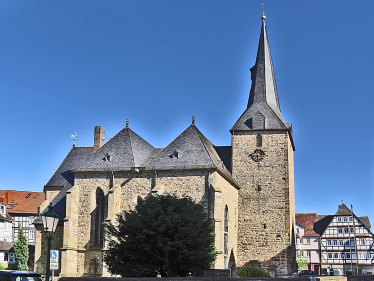
Second Vandalism Incident at Melsungen Church in Two Months
November 6, 2025, GermanyUnknown offenders damaged the entrance and several gravestones at the city church in Melsungen, prompting police investigation.
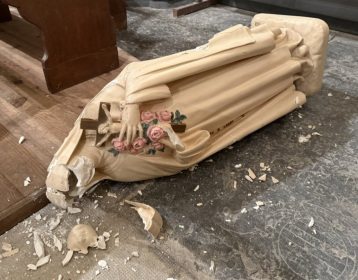
Two Religious Statues Smashed
November 5, 2025, FranceTwo religious statues were deliberately broken inside the Church of Notre-Dame de l'Assomption in Montcenis, in what authorities are treating as an act of anti-Christian vandalism.
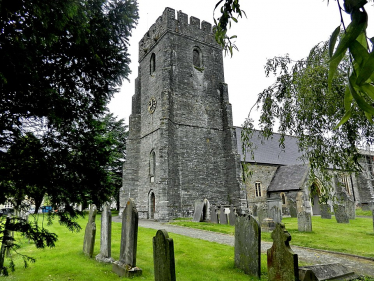
Offensive Graffiti Sprayed on Wales Church
November 5, 2025, United KingdomSt Mary’s Church in Cardigan was targeted in an attack involving graffiti and forced entry, prompting a police investigation.
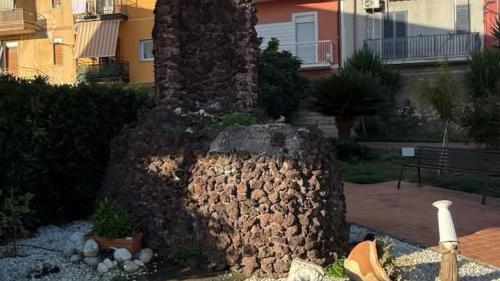
Parish Grounds and Madonna Grotto Vandalised
November 4, 2025, ItalyA stone grotto was demolished, statues of the Madonna and Padre Pio were desecrated, and church gardens were destroyed in a targeted act of vandalism at the Church of San Francesco in Francofonte.
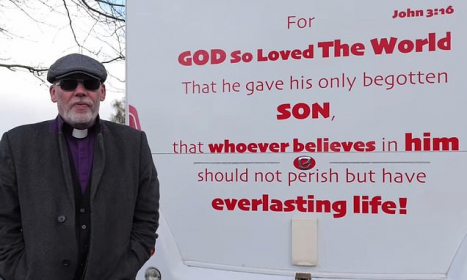
Pastor Receives Police Warning Over Bible Verse in the United Kingdom
November 4, 2025, United KingdomBishop Mick received a warning from a police officer that the words on the back of his motorhome could get him into trouble if someone filed a complaint
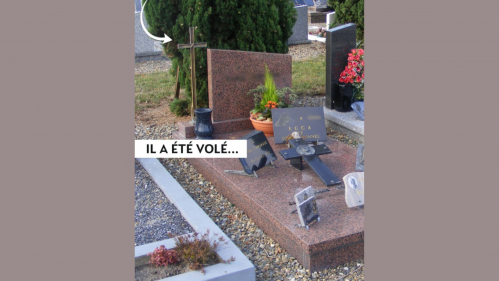
Bronze cross stolen from cemetery in Aire-sur-l’Adour
November 4, 2025, FranceA bronze cross that had stood for over 40 years on a family grave in the town cemetery of Aire-sur-l’Adour (Landes) was stolen on 4 November. The local community has expressed shock and sadness about the targeting of this religious symbol.
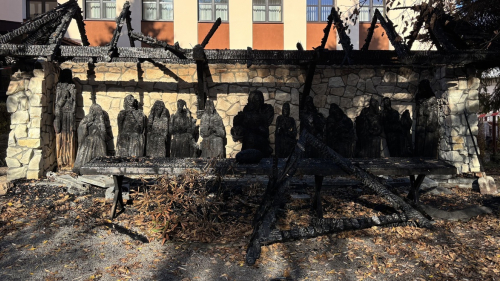
Deliberate arson of chapel depicting the Last Supper in Lublin
November 3, 2025, PolandPolice in Lublin have detained two men in connection with the deliberate arson of a chapel at a local sanctuary, where sculptures depicting the Last Supper were destroyed after being doused in petrol and set on fire.
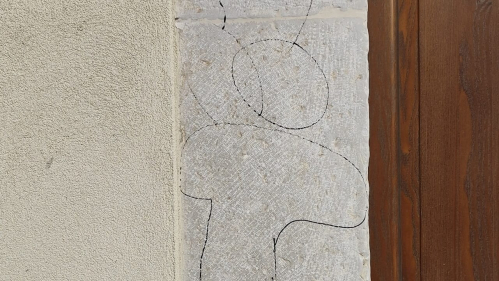
Church Vandalized with Obscene Drawings on Side Door
November 2, 2025, ItalyObscene graffiti appeared on the side door of San Rocco Church in Stornara, prompting condemnation from local officials and parishioners.
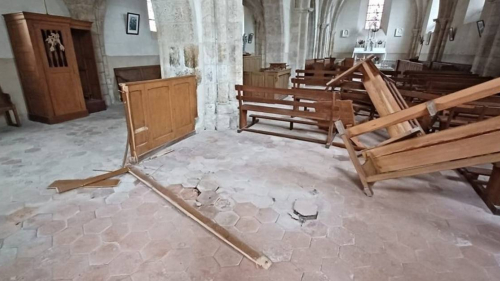
Church in Loiret vandalised during Halloween
October 31, 2025, FranceA church in Ouzouer-sous-Bellegarde, Loiret, was vandalised during the night of Halloween, when its door was forced open and the interior damaged, in an incident suggesting deliberate intent

Bible Set on Fire During Halloween Night
October 31, 2025, ItalyA lectionary was set on fire and the sanctuary vandalised in a Halloween-night attack on a Catholic church in northern Italy.
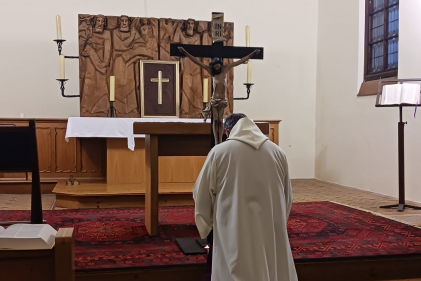
Continuous Thefts and Disturbances Force Christuskirche to Lock Doors
October 31, 2025, AustriaThe Old Catholic Christuskirche in Ried im Innkreis has faced repeated disturbances, including displaced crosses and scattered materials, culminating on Halloween night, 31 October 2025, when its cash box was broken open and money stolen. In response, the parish vicar has locked the church on weekdays. "That was no longer a rascal prank", the parish vicar commented.
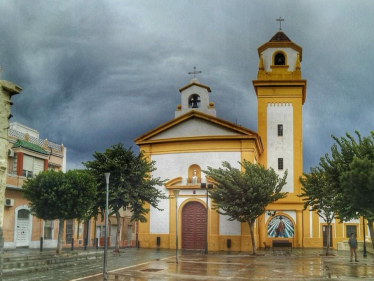
Vandalism and Defacement at Church of San Roque in Almeria
October 31, 2025, SpainA church in Almería became a repeated target of vandalism and interior defilement, including acts described as humiliation of the site.

Päivi Räsänen Faces Supreme Court in "Bible Tweet" Case
October 30, 2025, FinlandIn October 2025, the Finnish Supreme Court heard the case of Member of Parliament Päivi Räsänen, who is facing prosecution for alleged “hate speech” after tweeting a Bible verse and questioning how the Lutheran Church could reconcile its support for Helsinki Pride with biblical teaching. Despite two unanimous acquittals, the state prosecutor has pursued a further appeal, extending the case into its seventh year and seeking financial penalties and the removal of her published statements.
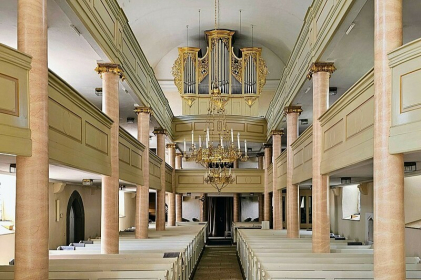
Theft and Desecration at Protestant Church in Bad Weißenstadt
October 30, 2025, GermanyAn unknown perpetrator broke into the Protestant Church of St. Jakobus in Bad Weißenstadt, stole money from donation boxes, and defecated inside the church.
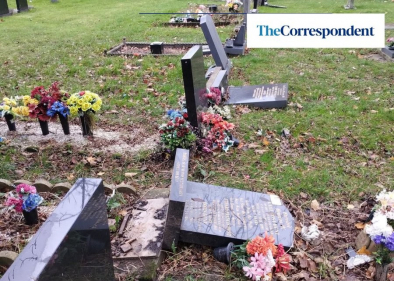
Churchyard Cemetery Vandalized
October 30, 2025, United KingdomMore than two dozen gravestones at a Christian churchyard in Stalybridge were defaced, prompting a police investigation and local dismay.