All cases
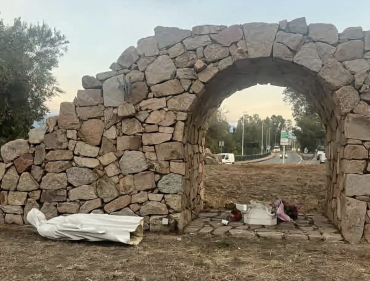
Virgin Mary Statue Desecrated in Attack in Porto-Vecchio
October 1, 2026, FranceDuring the night of 30 September to 1 October, a statue of the Virgin Mary at a public street in Porto-Vecchio, Corsica, was deliberately pulled from its pedestal and destroyed while perpetrators filmed the incident. The statue, known as 'A Vergine Maria', is a place of devotion for local residents. The Catholic Church of Corsica has expressed support for the parish community and called on the faithful to pray for the conversion of those responsible.

Christ Figure Found Destroyed in Grainau
September 30, 2026, GermanyIn late September 2026, an approximately 120-year-old wooden figure of Christ at the Baschner Cross near the Jägersteig in Grainau was found torn down from the cross and smashed into pieces. The incident has shocked local residents, as this was the second reported attack on the figure, and it will now be repaired for the second time. The parish priest has called for forgiveness in the matter, though still affirmed that such an incident affects the local community and not only Christians.

Felix Ngole Addresses Court of Appeal in Religious Discrimination Case
September 28, 2026, United KingdomOn 28 September 2026, Christian social worker Felix Ngole returned to the Court of Appeal in his dispute with a mental health charity that withdrew his job offer after discovering his publicly expressed Christian beliefs. A tribunal has already ruled that the initial withdrawal was religious discrimination, and a further appeal found errors in how his remaining claims were decided. Ngole is now asking the court to rule on those claims without requiring him to repeat part of the case before the same tribunal.
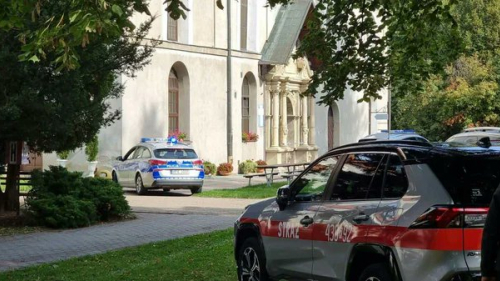
Priest dead after stabbing at Polish Benedictine Convent
September 24, 2026, PolandA Catholic priest has died following a stabbing at a Benedictine convent in Jarosław, Poland, on 24 September, and a total of five victims were stabbed in the attack. Government officials have responded in horror at the attack, and sympathy for the members of the community. Following the attack, Rzeszów Cathedral stated that the community was filled with "great sadness" at the attack.

Man Damages Church Altar and Votive Shrine
September 23, 2026, ItalyOn 23 September, a man entered the historic Church of San Rocco in the Castellone district of Formia and allegedly caused extensive damage to the interior of the building. He reportedly used a chair to damage the altar and knock down statues of saints, before also damaging a Marian votive shrine nearby. During his arrest, several police officers were reportedly injured. While the parish priest was reportedly calm following the incident, it has nonetheless shaken the community of Castellone.

Christian influencer assaulted in Vienna
September 22, 2026, AustriaOn 22 September, an 18-year-old Christian content creator was assaulted by two youths near an underground station in Vienna. According to his account, one attacker threatened him with a knife and he suffered injuries to his ribs, hips, and nose. The incident was reported to police, and the victim expressed the belief that the attack was related to his Christian social media content.
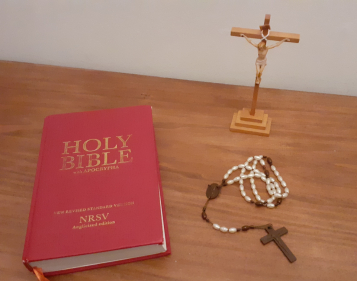
Cross and vestments vandalised in Grein church
September 22, 2026, AustriaOn 22 September, unknown perpetrators vandalised the Stadtpfarrkirche in Grein, scattering items from the confessional, prayer books, devotional images of saints and seat cushions throughout the church. The baptismal font was damaged, while a broken cross and two of the priest’s stoles were placed in the holy-water basin.
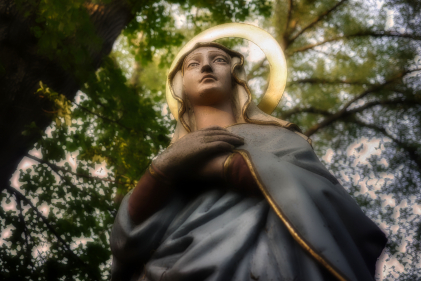
Multiple Marian Shrines Vandalised in Radom
September 22, 2026, PolandBetween 1 and 22 September 2026, a 34-year-old man allegedly damaged numerous roadside shrines and religious figures in Radom by defacing them with paint and damaging the religious statues. Reportedly vandalising up to ten historic chapels with images of the Virgin Mary, the suspect, after confessing to the vandalism, had 12 charges brought against him for the destruction of the figures. The local parish priest described the acts of vandalism as a blasphemy against God and the local community of believers.
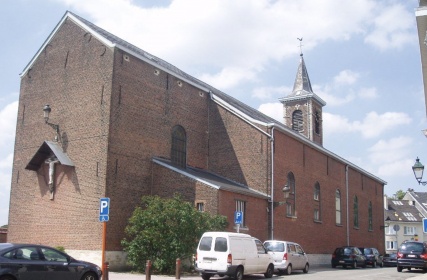
Church near Brussels closes due to slew of vandalism
September 19, 2026, BelgiumAccording to a report from 19 September, St. Anne's Church in Auderghem has decided to close its doors and cease services after repeated acts of vandalism. The church council made the decision due to the incessant attacks on the historic building over the spring and summer of 2026. The measure is very shocking to the community, who relied on the church as an accessible and open place of worship.

Tabernacle forcibly removed and consecrated hosts scattered outside church in Guitiriz
September 19, 2026, SpainOn 19 September, unknown individuals forcibly removed and opened the tabernacle of the parish church of Santa Maria de Lagostelle in Guitiriz, stealing the ciborium containing consecrated hosts. The hosts were subsequently scattered outside the church, while the silver ciborium remained missing. The incident constitutes desecration and sacrilegious theft and was condemned by the Diocese as a direct affront against the Eucharist and the centre of the Catholic faith.

ISIS Supporter Arrested over Planned Attack on Bremen Church
September 17, 2026, GermanyIn Brandenburg, federal prosecutors have arrested a man on suspicion of planning a serious act of violence against a church in Bremen, allegedly acquiring a firearm for this purpose. The 24-year-old individual is believed to be a supporter of the so-called Islamic State (ISIS) terrorist organisation, and was arrested by the Federal Criminal Police Office and was brought before the investigating judge on 17 September under suspicion of attempting to establish a terrorist organisation, preparing a serious crime endangering the state, and violating weapons laws.

Attack on Catholic Clinic in Flensburg
September 17, 2026, GermanyAccording to a report from 17 September, a Catholic clinic in Flensburg has been targeted in an attack by unknown protesters who have smeared the entrance of the hospital with a pro-abortionist inscription, as well as vandalising an information board. The perpetrators also left hangers at the entrance, which is used as a political symbol by pro-abortionists. The report identifies all the actions as directly targeting the attitude of the Catholic hospital, since it no longer performed abortion procedures.
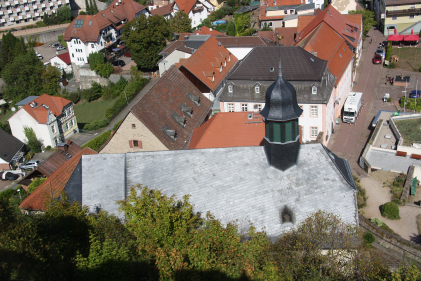
Lindenfels Catholic Church closed after repeated vandalism
September 15, 2026, GermanyIn September, the Catholic Church of Saints Peter and Paul in Lindenfels was the target of repeated acts of vandalism, forcing it to close its doors outside of Mass and other services in order to protect the building. Consequently, the community's access to this place of worship a has been limited.
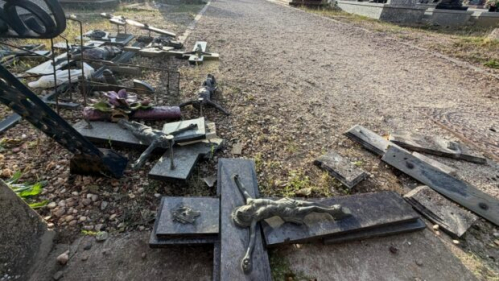
Crosses broken and Catholic graves targeted at Moselle cemetery
September 15, 2026, FranceAn unprecedented act of vandalism occurred on the night of 14 to 15 September, where a woman vandalised almost 100 gravestones in Maizières-lès-Metz Cemetery in Moselle. Gravestones were defaced, with countless crosses and crucifixes found broken and tossed onto the surrounding property. Police are investigating whether the gravestones of Catholics were specifically targeted on the basis of religion. The local community, officials, and diocese expressed deep sadness and outrage at what they believed to be a direct attack on the respect due to the dead, a religious site, and communal unity. On 25 September, the Diocese of Metz organised a time of prayer for all the deceased whose graves were desecrated.
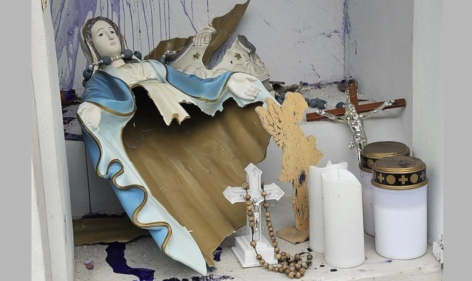
Vandals smash statue of Virgin Mary at historic chapel
September 14, 2026, PolandA report from 15 September described two incidents of vandalism targeting the same historical chapel at the intersection of a public street. The unknown perpetrators smashed and poured paint over a statue of the Virgin Mary, damaging the pedestal, the interior of the nice, and the glass. Local residents and the parish priest were left shocked by the incident, which they described as a clear act of blasphemy.
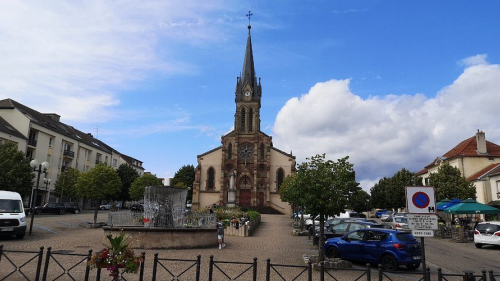
Man arrested after shouting Islamist slogan outside a Church
September 11, 2026, FranceA 35-year old man was arrested following an incident at a church in Moselle where, armed with a knife, he entered the building and shouted "Allah Akbar." The man was sentenced to six months imprisonment with a suspended sentence on 11 September.
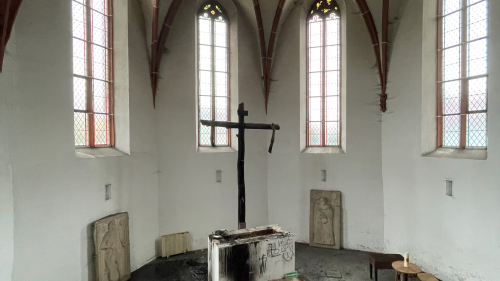
Arsonist Destroys Historic Crucifix in Lucka
September 11, 2026, GermanyA historic crucifix was set on fire with the figure of Jesus being completely destroyed in a Lutheran church in Lucka. Many parts of church furnishings were severely damaged, in particular around the sanctuary and including the altar, which was defaced with swastikas and other symbols. The person suspected of setting the fire was identified quickly after the crime occurred and an investigation into the crime is ongoing.
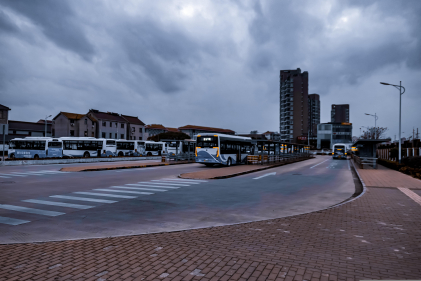
Nine-Year-Old Boy Injured in Alleged Attack at Bus Stop
September 11, 2026, AustriaOn 11 September, a nine-year-old boy was allegedly attacked by several children at a bus stop in Höchst after attending summer school. According to his father, the boy was pushed to the ground, punched and kicked, following threats and insults directed at him the previous day because of his Christian faith.
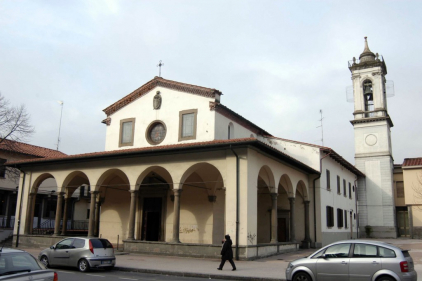
Priest attacked outside of parish church in Prato
September 9, 2026, ItalyOn 9 September, a priest of the Church of Santa Maria del Soccorso was threatened and attacked outside the church. According to the report, several non-EU citizens had been staying on the steps of the church, and at first threatened him, then proceeded to physical violence with a chair. The bishop of Prato has responded in condemnation to the "regrettable and serious" and expressed deep concern, underlying the gravity of the incident.

Vandals Cement Church Locks, Disrupting Memorial Mass
September 7, 2026, BelgiumOn 6 September 2026, around 100 Catholics were prevented from entering St Lambert's Church in Hoogstade, Belgium, after unknown perpetrators filled the church's door locks with cement. The vandalism forced the priest to hold a shortened memorial Mass outdoors, without Communion, disrupting a service commemorating deceased family members. Police opened an investigation into the incident.
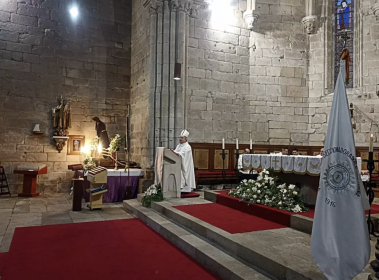
Desecration in Noia
September 7, 2026, SpainAccording to a report from 18 September, a Mass of Reparation and Atonement was held in Noia after five unknown perpetrators entered the Church of San Martiño, opened the tabernacle and stole two ciboria containing consecrated hosts. Both the parish priest and the bishop expressed deep pain of the community over the attack on what is considered most sacred to the Catholic faith, yet appealed to respond with fatih, worship, love, and prayer for the perpetrators.

Protestors disrupt Holy Mass during pro-life prayer
September 5, 2026, United KingdomOn September 5, pro-abortion activists entered Westminster Cathedral during the opening Mass of the annual March for Life and interrupted the religious celebration in front of worshippers. The intrusion, which included holding banners and shouting pro-abortion slogans in front of the church sanctuary, occurred amidst an already hostile atmosphere outside the cathedral, where pro-abortion protesters reportedly heckled participants, shouting anti-Christian slogans, and disrupting the major Catholic pro-life event with many notable members of the church present.
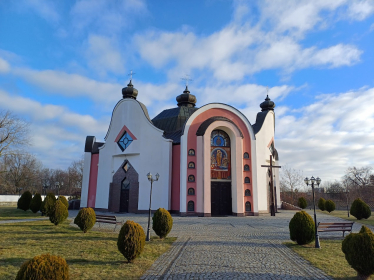
Greek Catholic Parish targeted with arson and anti-Ukrainian graffiti
September 5, 2026, PolandOn 5 September, unknown individuals set fire to vegetation on the grounds of the Ukrainian Greek Catholic Parish in Legnica, damaging part of the property. At approximately the same time, anti-Ukrainian inscriptions were also reported nearby, prompting the Ukrainian Consulate to ask authorities to investigate the motivations behind the incidents, and emphasising that attacks on Ukrainians, religious groups, and places of worship are unacceptable. The incident, which is not the first to target the Ukrainian Catholic community, caused significant emotional distress to the community.
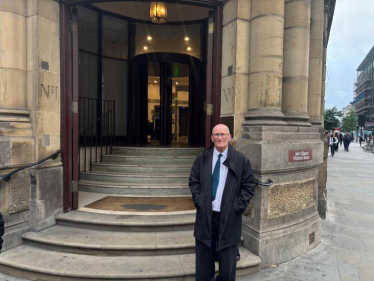
UK Evangelist Acquitted after Prosecution for Sharing Gospel Leaflets in Soho
September 4, 2026, United KingdomOn 4 September 2026, a London court acquitted Christian evangelist Richard Johnson, who had been prosecuted for distributing a Gospel leaflet in Soho. A complainant described the neighbourhood as an LGBT “safe space”, and prosecutors argued that the location mattered when assessing the leaflet. The court found that the prosecution had not proved a public order offence, despite accepting that the leaflet had upset and offended its reader.
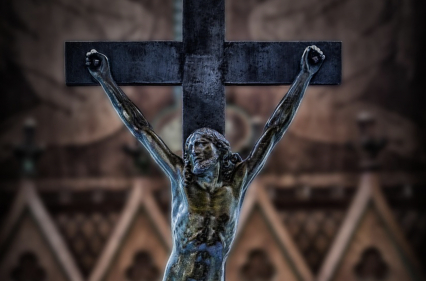
Priest appeals for help as crucifix is defaced
September 2, 2026, ItalyAs reported on 2 September, the crucifix in the Church of the Nativity of San Giovanni Battista in Mezzolombardo was recently defaced. The parish priest announced the defacement which caused bitterness in the community, and appealed for the creation of a new crucifix as a sign of unity.
Crucifix in the Chapel of Santa Croce broken to pieces
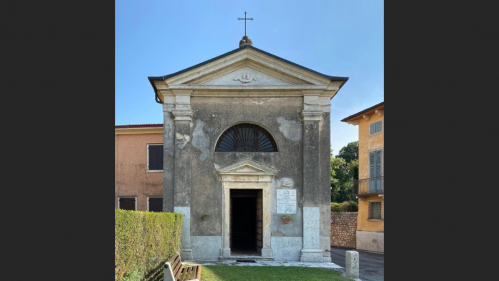
September 1, 2026, ItalyOn 1 September, the Chapel of Santa Croce al Piano in Colognola ai Colli was subjected to a serious act of vandalism that caused damage to furnishings, religious images, and sacred art; most notably to a crucifix which was found smashed. A man was detained in connection with the serious incident, which affected a place of worship particularly dear to the local community, arousing "indignation" over the acts.
Vandalism and Harassment of the faithful Leads to Church Closure
September 1, 2026, ItalyAccording to reports from 1 September, a group of young people repeatedly caused disturbances at the church in Lunetta, including entering the building and blaspheming at the faithful who were praying; littering and causing damage to the churchyard. The parish responded by closing the church during the mornings until the reopening of schools, citing the need to protect the faithful and prevent further vandalism.

Two suspected arson attempts at Saint-Martin Church
September 1, 2026, FranceAccording to reports from 1 September, two fires were deliberately started inside the Saint-Martin Church in Templeuve-en-Pévèle, Nord on 31 August. The fires caused only minor damage, according to the available reporting, but the circumstances indicate a deliberate arson attempt targeting of the church. A social media post described the incident as an attack on a place of worship that insults the common identity and history of the community.
Vandals tear Christ figure off tabernacle in church vandalism
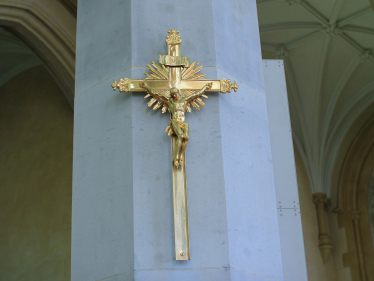
August 30, 2026, GermanyOn 30 August, St. George's Church in Reichmannshausen was vandalised. The church's religious symbols were targeted, with a figure of Christ torn from the tabernacle, a crucifix destroyed, along with the oil from several candles being spilled in the church.
Religious statues smashed at two wayside chapels in Mazovia
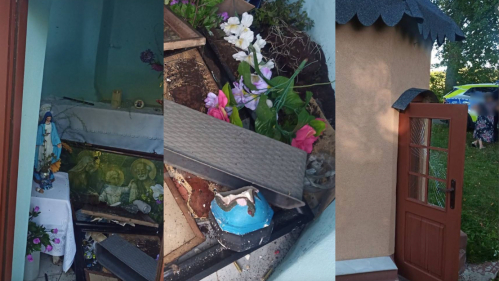
August 30, 2026, PolandOn 30 August 2026, a 21-year-old man vandalised two Catholic wayside chapels in Zygmunty and nearby Przyłęk, damaging religious images and statues and breaking windows and doors. He was arrested, admitted for the offence and was charged with insulting a place intended for the public performance of religious rites; the incident involved deliberate destruction of sacred objects and caused damage to two places of worship.
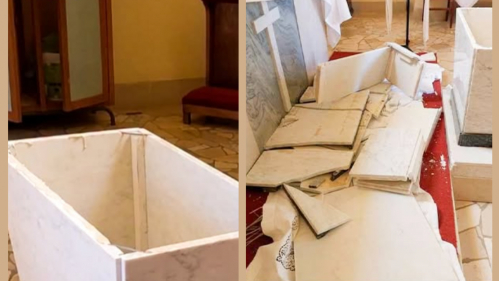
Altar destroyed and Statue Smashed in Bari Chapel
August 29, 2026, ItalyOn 29 August 2026, unknown perpetrators vandalised a Catholic cemetery chapel in Bari, completely destroying its altar and smashing a statue of the Virgin Mary. An empty tabernacle and priestly vestments were also stolen, causing deep pain within the local Catholic community, particularly as the incident occurred shortly before the chapel's patronal feast.
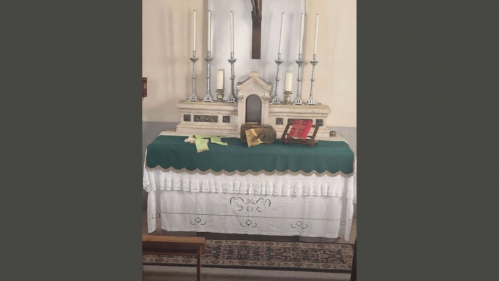
Bishop Condemns Deliberate Desecration of Pavia Cemetery Chapel
August 29, 2026, ItalyBetween 28 and 29 August 2026, unknown perpetrators broke into the Chapel of San Giovannino Cemetery in Pavia, forced open the tabernacle and stole a ciborium containing consecrated hosts. Several hosts were found on the floor, while others were recovered inside the chapel during a subsequent police inspection. The incident was described by the Bishop as a “very serious act of sacrilege” and prompted a Mass of reparation, and prayers for repentance of the perpetrators.
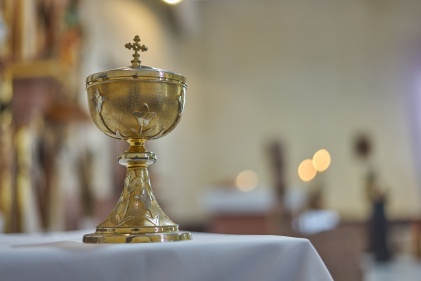
Third Theft of Consecrated Hosts; Potential Occult Motive Investigated
August 29, 2026, ItalyOn 29 August 2026, a ciborium containing consecrated hosts was stolen from Santa Maria Maggiore Church in Scordia, making the incident the latest of three sacrilegious thefts reported within a few days at churches in different parts of Italy. The three cases involved either consecrated hosts or a tabernacle, and authorities are investigating whether they could be connected, including the possibility of an occult motive. The theft caused deep distress within the local Christian community and prompted the bishop to call for prayers of reparation and Eucharistic adoration.
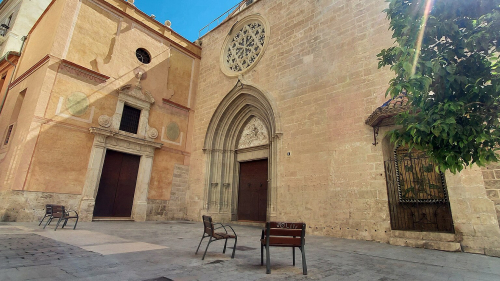
Parish of San Nicolás demands action after ongoing acts of vandalism
August 27, 2026, SpainOn 27 August, the Parish of San Nicolás de Bari y San Pedro Mártir, known as the Sistine Chapel in Valencia, raised concerns over repeated vandalism and deterioration affecting the property and surroundings of the historic church, including human and animal waste littered on its walls.
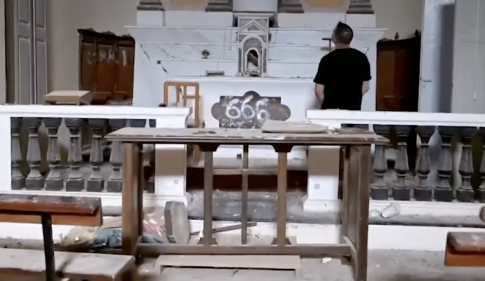
Catholic Sanctuary vandalised with satanic graffiti and destroyed statue
August 27, 2026, ItalyIn August, the rural St. Helena Sanctuary in Siniscola was profanely vandalised with satanic graffiti, and a statue of Saint Helena smashed, along with various other furnishings damaged. The incident constituted a sacrilegious insult to a historic place of worship which served for generations as the centre of local communal devotion.

Sixth Criminal Incursion into Churches in Indre-et-Loire in one month
August 25, 2026, FranceThe Saint-Pierre Church in Monts was broken into and ransacked on 25 August, a parish representative alerted the police, making it the sixth attack on churches in the Indre-et-Loire this month. Unknown persons broke down the door and reportedly moved items, but nothing was found stolen. This incident has been the latest in a slew of church attacks in the region, and has further elevated concerns about the security nof Christian places of worship for community members.

Altar and Hymn Book Set on Fire inside St. Martinus Church
August 24, 2026, GermanyUnidentified individuals set fire to several objects inside St. Martinus Church in Pfalzdorf on 24 August, damaging an altar cloth, microphones, and a hymn book. Cash was also stolen from a candle donation box, and the offences are being investigated by police as criminal damage and theft.
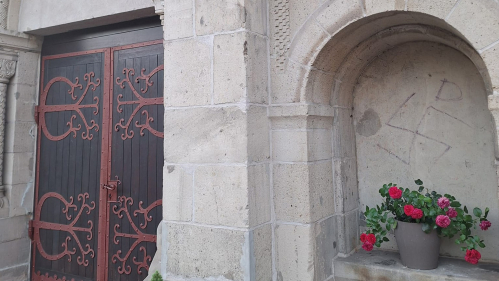
Churches in Siegen Graffitied with Swastikas and Inverted Crosses
August 24, 2026, GermanyAs reported on 24 August 2026, two Catholic churches in Siegen were vandalised within approximately two weeks. Swastikas were painted on both churches, while several inverted crosses were also found at St. Marien Church. The use of Nazi and anti-Christian symbols prompted an investigation by the State Security Service.
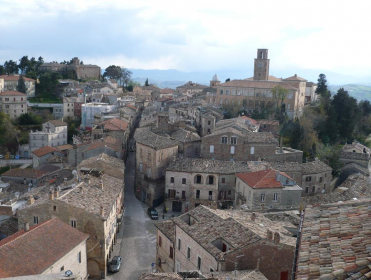
Sacred Images Damaged in Ripatransone Cathedral
August 24, 2026, ItalyIn Ripanstrone, the Cathedral was burgled and damaged by four unknown criminals on 24 August. The perpetrators stole donations and deliberately damaged several sacred images, including one of the Madonna and Child, which was found smashed.

Monk Killed and Two Injured in Knife Attack at Sviatohirsk Monastery
August 23, 2026, UkraineOn 23 August 2026, unidentified individuals killed a monk and seriously wounded another monk and a novice in a knife attack near St. Nicholas Church at the Holy Dormition Sviatohirsk Monastery in the Donetsk region. The attack targeted members of a Christian monastic community and resulted in one death and two serious injuries. The Ukrainian Orthodox Church (UOC) subsequently reported the killing, while police opened a criminal investigation.
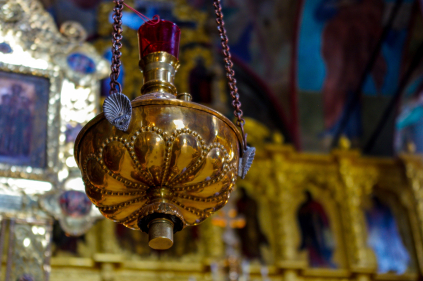
Icons Smashed In Orthodox Church Vandalism in Southern Albania
August 23, 2026, AlbaniaThe Orthodox Church of Saint Athanasius in Sinicë was found vandalised on 23 August. The perpetrators damaged icons and church furnishings, and poured cement inside the building, causing intentional damage to a place of religious and historical significance to the local community. Moreover, it has raised concerns about the security of Orthodox Christian monuments in a country that had experienced religious tensions and persecution.
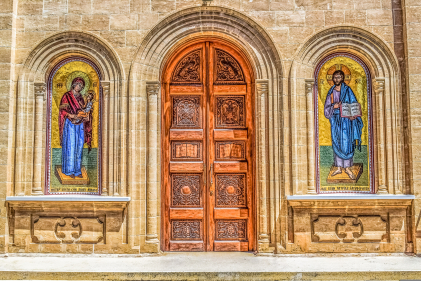
Serbian Orthodox Church Vandalised Causing Security Concerns for Serbs in Kosovo
August 23, 2026, KosovoOn 23 August 2026, a man damaged two entrance doors and the exterior lighting of the Serbian Orthodox Church of the Holy Saviour in Prizren, Kosovo, an important medieval monument. The incident is the latest in a series of reported acts of vandalism affecting the historic church and comes amid broader concerns about the security of Serbian Orthodox religious sites and the Serbian community in Kosovo.
Vandals desecrate tabernacle and ransack convent during Pope's visit in San Marino
August 22, 2026, San MarinoOn 22 August, sacrilegious desecration and vandalism struck the Convent of the Servite Fathers of Valdragone during Pope Leo XIV's visit to San Marino. During the incident, the perpetrators entered the chapel, forced open the tabernacle, and, removing the ciborium, scattered the consecrated hosts outside. Members of the local community were shocked and spoke of an "extremely serious" violation of the local church.

Fifth Church Desecrated in Series of Incidents in Indre-et-Loire
August 21, 2026, FranceOn 21 August, Saint-Joseph Church in Joué-lès-Tours became the fifth church in the Indre-et-Loire region to fall victim to vandalism in one month. In the Chapel of the Blessed Sacrament, the tabernacle was forced open and consecrated hosts were found scattered on the floor. The incident has forced the church to close temporarily and caused strong emotions among the local Catholic community, which spoke of an attack on the faith and the faithful. The Diocese was prompted to announce a Mass of reparation.
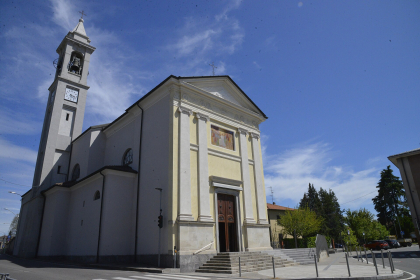
Consecrated Hosts Stolen in Sacrilegious Church Burglary
August 18, 2026, ItalyOn 18 August 2026, the Church of Santo Stefano Protomartire in Oggiona con Santo Stefano was broken into and sacred objects, including a ciborium containing consecrated hosts, were stolen. The theft caused deep sadness among parishioners and affected objects of particular religious and devotional significance to the local community.
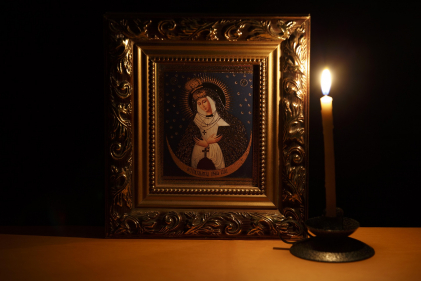
Icon, Cross, and Bibles stolen from Hospital chapel in Berlin
August 18, 2026, GermanyBetween 17 and 18 July 2026, an icon, a cross, a holy water font and a Bible were stolen from the Charité Chapel of a hospital in Berlin. Pastoral workers at the chapel commented on the "painful and hurtful" act as the perpetrators seem to have specifically targeted objects of religious significance.

Vandals ransack and desecrate Sanctuary in Brusimpiano
August 17, 2026, ItalyOn 17 August 2026, consecrated hosts were stolen from the tabernacle of the Sanctuary di Ardena in Brusimpiano after it was forced open during a break-in. The hosts were subsequently found scattered on the floor, while sacred furnishings and other objects were also damaged and stolen, constituting a sacrilegious theft and desecration.
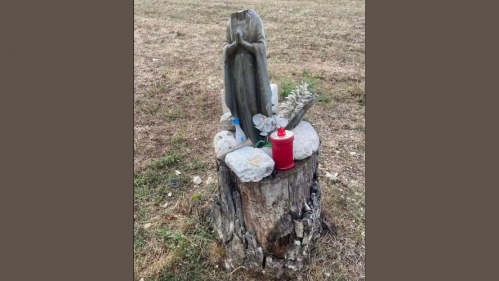
Another statue of Mary found deliberately decapitated in Coppito
August 17, 2026, ItalyOn 17 August 2026, a statue of Mary was found decapitated in the Murata Gigotti park in Coppito. The vandalism caused indignation among local residents and municipal representatives, who see the incident as an attack on the community culture as well as religious symbolism. The incident followed a similar attack on Ischia the previous day. Law enforcement are investigating the incident to identify those responsible.
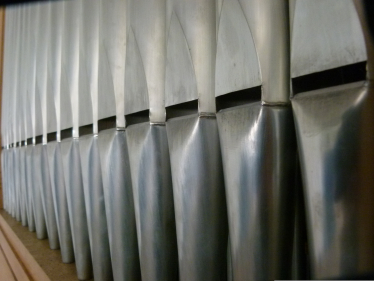
Vandals damage church organ in Pellizzano
August 16, 2026, ItalyOn 16 August 2026, unknown perpetrators entered the parish church in Pellizzano and bent and damaged several pipes of the church organ. The vandalism was discovered shortly before Mass and caused distress within the local community, while the parish priest announced that he would file a complaint.
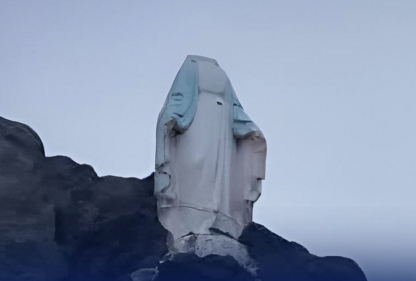
Statue of Mary Beheaded on Ischia in Repeated Vandalism
August 16, 2026, ItalyAs reported on 16 August 2026, a roadside statue of the Virgin Mary in Panza on the Italian island of Ischia was found beheaded. The religious statue had already been targeted by vandals twice before, making this the third reported act of vandalism against the shrine. The repeated attacks caused outrage among local residents, while a local association said that someone in the community appeared unwilling to accept its religious symbols.