All cases

Police drop criminal investigation into street preacher
May 16, 2026, United KingdomAvon and Somerset Police have concluded a criminal investigation into Pastor Dia Moodley, a street preacher arrested in Bristol in November 2025, confirming that no further action will be taken. The decision effectively closes the case, determining that the activity of public street preaching, including comments made about Islam and transgender ideology, did not constitute a criminal offence in this instance. His lawyer and Christian representatives have raised concerns over a pattern of disproportionate police response to his religious expression.

Finnish Authorities Fine City Over Traditional Christian Song at School Celebrations
May 15, 2026, FinlandAuthorities in Finland have fined the city of Espoo €10,000 and ordered it to pay a pupil €2,500 in compensation after ruling that exposure to traditional Christian song during Christmas and end-of-year school celebrations amounted to discrimination.
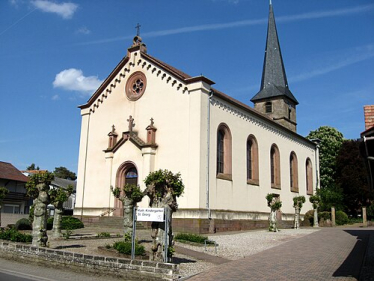
Church of Knittelsheim Burgled and Desecrated, Consecrated Hosts Scattered Across Altar
May 14, 2026, GermanyA burglary at the Catholic Church of St. George in Knittelsheim left the building severely damaged, with sacred objects stolen and consecrated hosts scattered during the break-in. Authorities have confirmed extensive vandalism and ongoing investigation.
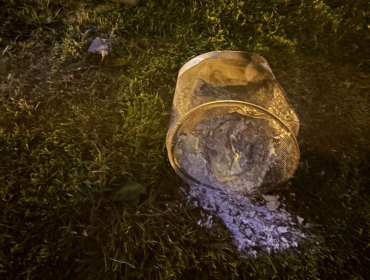
Arson attack at Church in Tinure
May 14, 2026, IrelandOn 14 May 2026, an arson attack targeted the Church of the Immaculate Conception in Tinure, County Louth, where papers were deliberately set alight inside the building, causing a fire that spread under a pew and filled the church with smoke before being discovered.
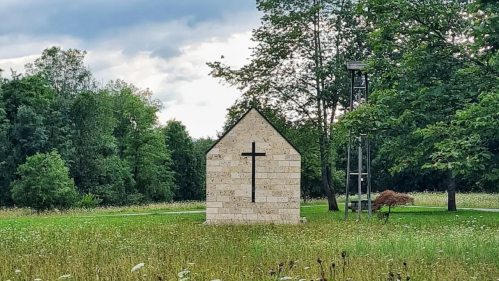
Satanic Graffiti Defaces Barbara Chapel in Penzberg
May 14, 2026, GermanyThe Barbara Chapel on the Berghalde in Penzberg has been vandalised with satanic-themed graffiti, including pentagrams and the number “666” painted in black and red.
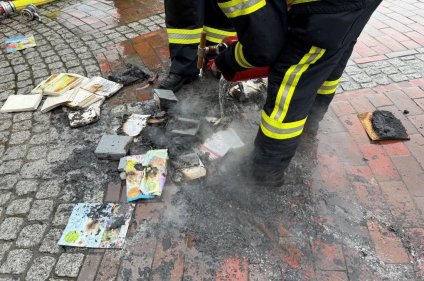
Attempted Arson in Delmenhorst Church Involving Burning of Bibles and Hymn Books
May 13, 2026, GermanyOn 13 May 2026, an attempted arson took place at the Church of St. Christophorus in Delmenhorst, Lower Saxony,, where unknown individuals set fire to religious texts inside the building. The incident involved the burning of Bibles, hymnals and Bible passages placed on a table, causing smoke and a fire hazard inside the church.
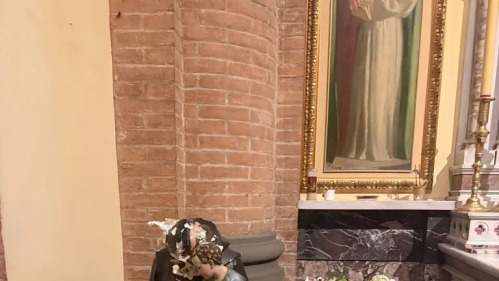
Vandalism of statue during Rosary service at Sacred Heart Church
May 12, 2026, ItalyA man disrupted a Rosary service at the Sacred Heart Church in Bologna, entered shouting, and later returned to destroy a statue of St Anthony of Padua. Police are investigating the incident.

Deliberate Arson Devastates Protestant Parish Hall in Gladbeck
May 12, 2026, GermanyPolice have confirmed that a fire which broke out at the parish hall of the Protestant Petrusgemeinde in Gladbeck-Brauck was deliberately set.
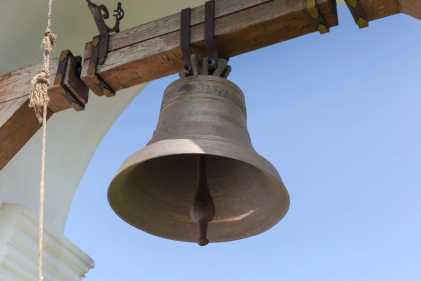
Church Bells Deliberately Damaged Leading to Severe Safety Risk
May 9, 2026, GermanyAn act of vandalism at the Church of the Resurrection in Bad Oeynhausen, Germany, left church bells deliberately damaged and live power lines cut, creating a potentially life-threatening situation.
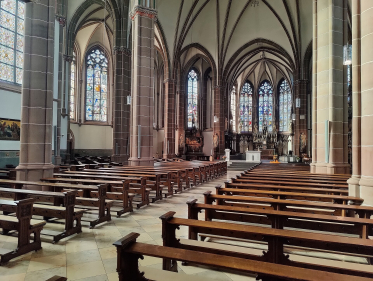
Religious Painting Damaged and Crown Element Stolen Inside St. Gudula Church
May 9, 2026, GermanyA targeted act of thefts inside St. Gudula Church in Rhede saw a sacred painting damaged and a crown depiction removed and stolen.
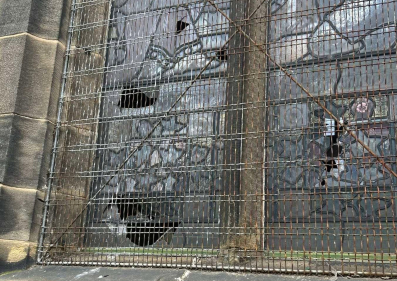
Church Graves Desecrated and Historic Windows Damaged in Third Vandalism Attack
May 9, 2026, United KingdomSt John the Evangelist Church in Abram, Wigan, was targeted in three separate acts of vandalism over several days, culminating in the desecration of at least six graves and damage to historic stained-glass windows dating back to 1838.

Pastor Convicted Under "Buffer Zone" Law for Open-Air Sermon Near Hospital
May 7, 2026, IrelandRetired pastor Clive Johnston was convicted on 7 May 2026 at Coleraine Magistrates’ Court under the Abortion Services (Safe Access Zones) Act 2023 for conducting an open-air Sunday service within a "buffer zone" outside Causeway Hospital in Coleraine. The sermon did not refer to abortion or contain explicit pro-life messaging, but the court ruled that, given the location and surrounding circumstances, the conduct constituted a criminal offence.
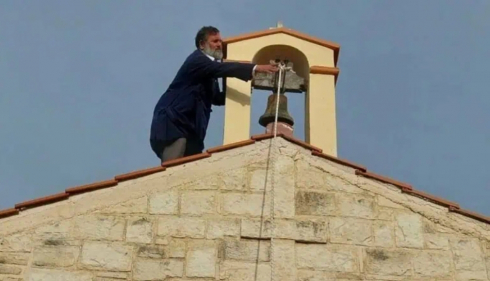
Shotgun Attack Damages Historic Church Bell Tower in Chania
May 7, 2026, GreeceA church in Agia Marina, Chania, Greece, was damaged after an unknown individual fired a shotgun at its bell tower, cutting the bell rope and disabling the bell.
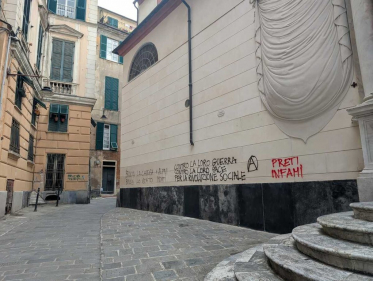
Basilica of San Siro in Genoa Defaced with Anticlerical and Anarchist Graffiti
May 7, 2026, ItalyThe Basilica of San Siro in Genoa’s historic centre was vandalised with anticlerical and anti-institutional graffiti, including slogans against priests and calls to burn churches.

Päivi Räsänen appeals to European Court of Human Rights
May 7, 2026, FinlandFinnish Member of Parliament Päivi Räsänen has appealed to the European Court of Human Rights (ECtHR) after the Finnish Supreme Court convicted her of “agitation against a minority group” over a Christian pamphlet published more than 20 years ago, a case that has become a major free speech dispute in Europe.
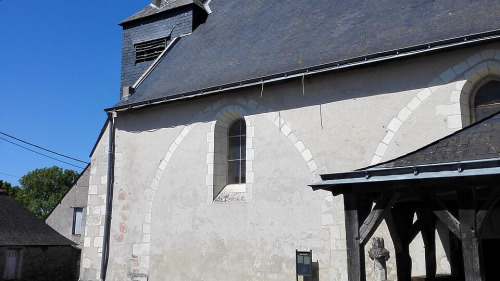
Two Churches Targeted in Vandalism Involving Burned Pages, Insults and Fire Risk
May 7, 2026, FranceChurches in Druye and Ballan-Miré were vandalised after intruders scattered religious documents, burned pages from a worshippers’ register, and placed lit candles throughout the building, creating a serious fire hazard. Minors are suspected to be responsible for acts.

Suspected Arson at Parish Hall in Tergnier While Children Inside Building
May 6, 2026, FranceA fire broke out at the “Père Jean-Marie Hamel” parish hall in Tergnier, Aisne, on 6 May 2026 while around thirty children were inside attending a religious retreat. The incident is being treated as suspected arson, and two men were taken into police custody as witnesses reported their presence at the scene shortly before the fire.
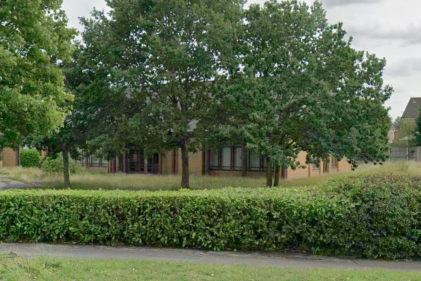
Arson Investigation Launched After Fires Inside Disused Church in Warrington
May 5, 2026, United KingdomPolice in Cheshire have launched an arson investigation after two fires were discovered inside the disused Church of the Resurrection in Fearnhead, Warrington, on 5 May 2026.

Nun Assaulted and Cross Torn Off in Religious Hate Incident in Bielsk Podlaski
May 5, 2026, PolandA nun was violently attacked at a bus stop in Bielsk Podlaski when a man approached her, insulted her, and forcibly tore a cross from her neck before throwing it to the ground. The suspect fled but was later arrested by police and is under investigation.
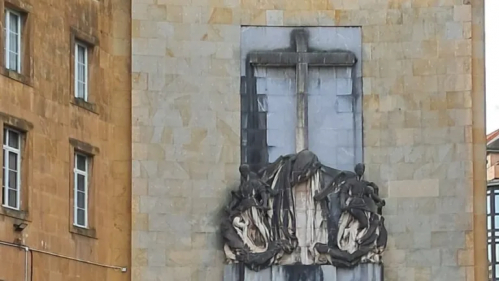
Government Orders Removal of Cross Monument from Jesuit School Façade
May 5, 2026, SpainThe Government of Asturias has ordered the removal of a cross monument from the façade of the Jesuit Colegio La Inmaculada in Gijón after formally including it in the newly established Catalogue of “Symbols and Elements Contrary to Democratic Memory”. The owners have been given four months to remove the cross. If they fail to comply, the regional government has announced that it will carry out the removal itself and recover the associated costs.

Wave of Church Burglaries, Altar Desecration and Tabernacle Profanation Hits South Gironde
May 4, 2026, FranceBetween late April and early May 2026, several churches in South Gironde, France, were targeted in a series of burglaries and acts of vandalism. In the most serious incident, perpetrators opened a tabernacle containing consecrated hosts and desecrated the altar of a church in Villandraut, an act considered particularly grave in the Catholic faith.
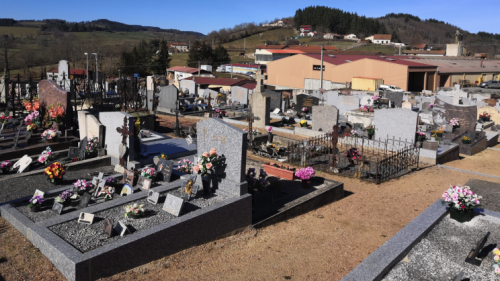
Christian Statues Torn from Graves in Saint-Martin-la-Sauveté Cemetery Vandalism
May 4, 2026, FranceDozens of graves were vandalised at the cemetery of Saint-Martin-la-Sauveté in eastern France, where bronze Christian statuettes — including depictions of the Virgin Mary — were stolen or violently torn from tombs.
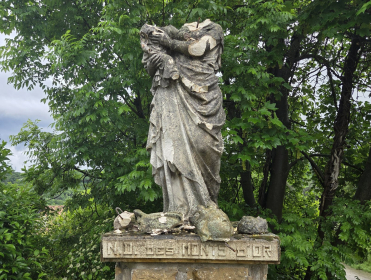
Statue of Mary Beheaded Close to Lyon
May 3, 2026, FranceA statue of Mary holding the infant Jesus was decapitated in Poleymieux-au-Mont-d’Or, close to Lyon. The heads of both figures were destroyed and found at the base of the monument.
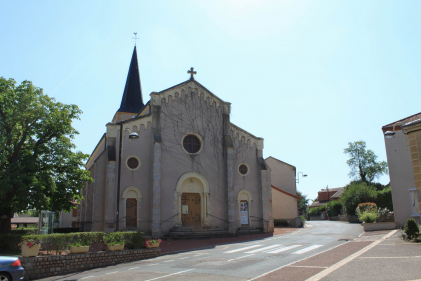
Arson Attack Targets Church of Notre-Dame de l’Assomption in Lentigny
May 3, 2026, FranceA fire deliberately set inside the Church of Notre-Dame de l’Assomption in Lentigny caused an emergency response after papers, newspapers and books were set alight inside the building.
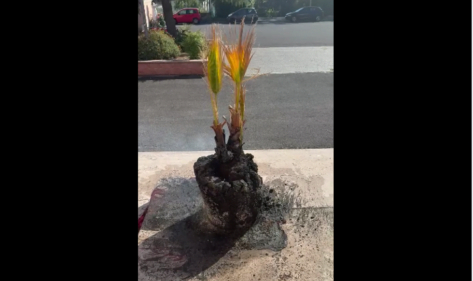
Churchyard Planter Set on Fire While Faithful Gathered to Pray the Rosary
May 2, 2026, ItalyOn 2 May 2026, unknown individuals set fire to a vase outside the Church of the Blessed Virgin Mary of Loreto in Guidonia shortly before the recitation of the Rosary.
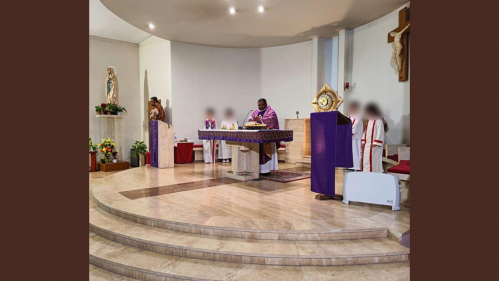
Devastation Inside Villalba Church After Overnight Vandalism Attack
May 2, 2026, ItalyThe Church of Santa Maria Goretti in Villalba, Italy, was broken into overnight by unknown individuals who vandalised the interior, causing significant damage and what local sources describe as “devastation” inside the building. Religious objects, including a statue of the Infant Jesus, were damaged.
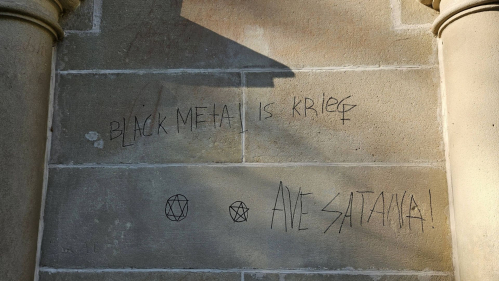
Satanic Graffiti Found at Kalwaria Zebrzydowska Sanctuary
May 2, 2026, PolandSeveral chapels in Kalwaria Zebrzydowska were vandalised with physical damage and satanic inscriptions discovered on multiple religious structures.

Church Appeals Public Order Notice Restricting Street Outreach in Colchester
May 1, 2026, United KingdomBread of Life Community Church in Colchester, Essex, is appealing against a Community Protection Notice (CPN) restricting its street outreach. The notice is believed to be an unprecedented use of public-order legislation against an entire church, rather than individual street preachers, and raises concerns as it addresses not only the manner of preaching but also the content of religious messaging.
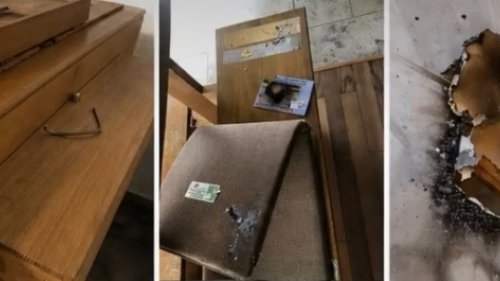
Eppingen Church Suffered Arson Attack and Extensive Vandalism Targeting Sacred Objects
May 1, 2026, GermanyA Catholic church in Eppingen, Germany, was severely vandalised in an incident involving fire-setting, widespread damage to church property, and destruction of sacred religious objects, including the Easter candle and altar. A suspect, reported to be a teenager, has been arrested and police investigations are ongoing.

Lib Dems Admit Religious Discrimination Against Former Candidate
April 29, 2026, United KingdomThe Liberal Democrat party has admitted religious discrimination against journalist David Campanale following a four-year legal dispute over his deselection as a parliamentary candidate. Campanale had been removed after expressing Christian views on issues such as abortion and assisted suicide. The case has raised serious concerns about the treatment of individuals holding religious convictions within political parties and the potential impact on participation in public life.
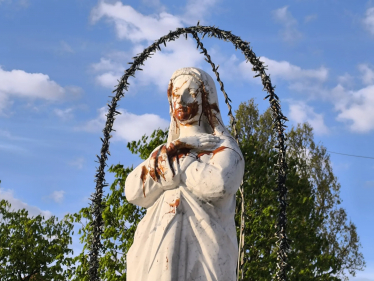
Statue of Mary Desecrated with Red Paint in Zhovkva
April 28, 2026, UkraineIn Zhovkva, Lviv region, a statue of the Mary has been desecrated in the city’s central square with red liquid poured over the statue. A man has been identified and arrested.
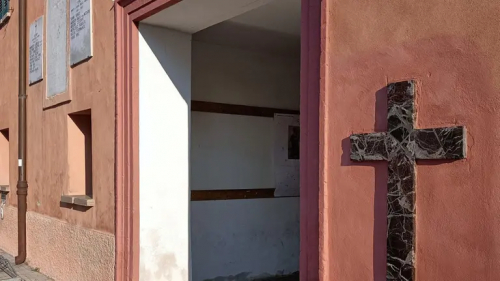
Crucifix destroyed in Santarcangelo church vandalism
April 28, 2026, ItalyThe stone crucifix outside the Church of San Martino dei Mulini in Santarcangelo di Romagna was destroyed overnight in what authorities describe as a deliberate act of sacrilege. The incident is part of a series of attacks on religious symbols in the area.
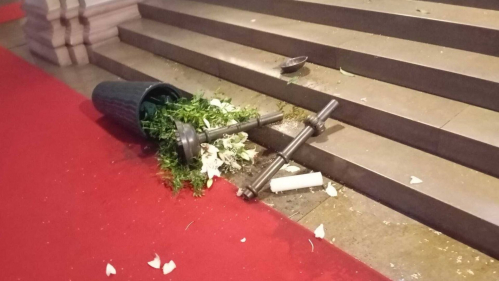
Man storms altar area and devastates St. Antonius Church in Düsseldorf
April 28, 2026, GermanyA man entered St. Antonius Church in Düsseldorf, forced his way into the altar area and damaged liturgical objects before being detained by police shortly afterwards. Parishioners reacted with shock at the destruction of objects central to worship.
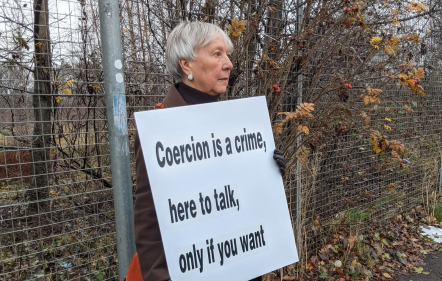
Charges Dropped Against Christian Woman for Holding Sign in "Buffer Zone" Case
April 27, 2026, United KingdomOn 27 April, Glasgow Sheriff Court dismissed criminal charges against a Christian woman, Rose Docherty, who had been arrested for peacefully offering consensual conversation within a designated “buffer zone”, finding that the prosecution had failed to disclose an offence. However, the case may be reopened if prosecutors present further evidence. Docherty was the first person charged under Scotland’s 2024 “buffer zone” law after standing near a Glasgow hospital with a sign reading: “Coercion is a crime, here to talk, only if you want.”
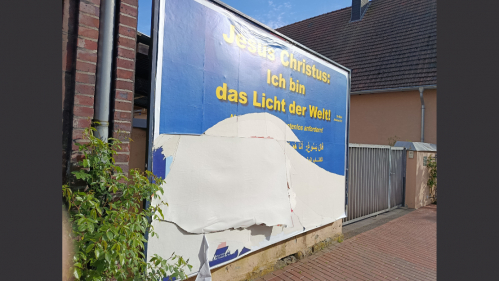
Bible Billboard in Arabic Deliberately Damaged in Haltern
April 27, 2026, GermanyA billboard in Haltern am See displaying a Bible verse and inviting passers-by to order free Bibles in German and Arabic was deliberately vandalised. The Arabic-language section of the billboard was torn off, leading local Christians to believe that Arabic speakers were specifically prevented from reading its message.
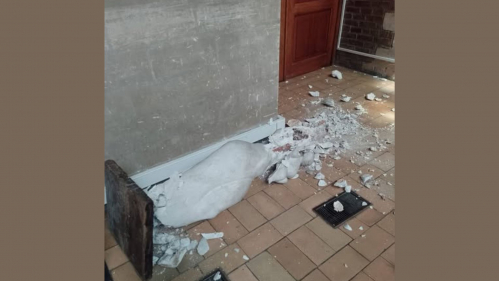
Valenciennes church vandalised with destruction of religious statues and objects
April 26, 2026, FranceThe Saint-Géry church in Valenciennes was targeted in an act of vandalism, with several religious objects and artworks damaged, including a station of the cross and a statue titled Le Silence. The incident follows a previous episode at the same church, and a man was arrested in connection with the latest case.
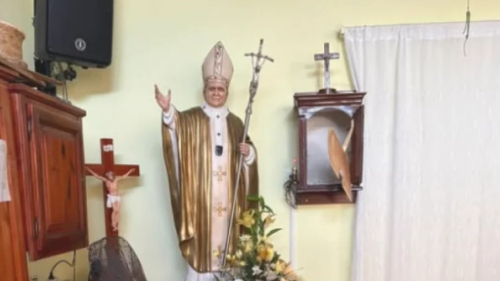
Tabernacle desecrated and consecrated hosts stolen in Saint-Louis
April 25, 2026, FranceThe Church of Saint John Paul II in Saint-Louis was burglarised and desecrated, with the tabernacle broken into and the consecrated hosts stolen, prompting strong condemnation from local authorities.
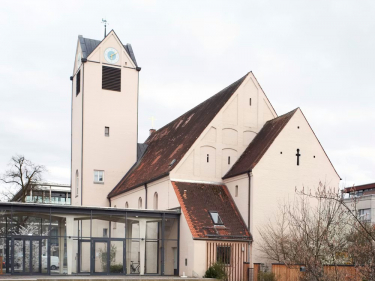
Series of Repeated Vandalism Hits Another Church in Freising
April 24, 2026, GermanyThe Lutheran Ascension Church in Freising was targeted in a serious act of vandalism involving damage to the altar and church interior. The incident followed earlier attacks on two other churches in the city, contributing to growing concern about a pattern of repeated targeting of places of worship.

Serbian Orthodox Cathedral in Zagreb Targeted in Nighttime Vandalism Attack
April 23, 2026, CroatiaThe Serbian Orthodox Cathedral of the Transfiguration in Zagreb was targeted in a nighttime attack in which unidentified individuals threw objects at the building, shattering stained-glass windows and damaging church property. The incident occurred on a day of prayer and remembrance for the victims of the Holocaust, highlighting the severity of the attack.
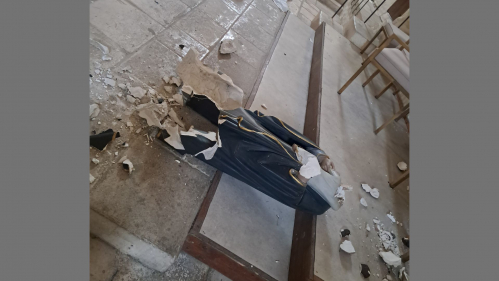
Statues of Mary and Joseph Smashed in Vandalism Attack
April 21, 2026, FranceNotre-Dame Church in Surgères, France, was targeted in an act of vandalism in which two religious statues were broken and the church organ damaged.

Man charged with assault of priest during Mass at Ennis Cathedral
April 20, 2026, IrelandA man assaulted a Catholic priest during Mass at St Peter and St Paul Cathedral in Ennis, causing facial injuries and damaging personal property. The incident involved physical violence and disruption of worship in front of members of the congregation. The suspect has been charged and appeared before court.

Church façade severely defaced with satanic inscriptions in Trzebinia
April 19, 2026, PolandSatanic graffiti extensively defaced the façade of the Church of the Immaculate Heart of Mary in Trzebinia, Lesser Poland Voivodeship. Large inscriptions and symbols covering a significant portion of the exterior wall sparked outrage among residents and prompted a police investigation.
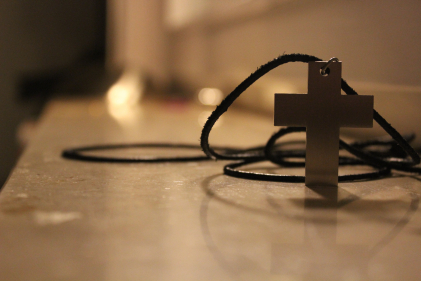
French Bill Could Restrict Christian Symbols Worn by Local Elected Representatives
April 19, 2026, FranceOn 9 April 2026, members of the French Senate introduced a bill prohibiting local elected representatives from wearing conspicuous religious symbols while exercising their mandates, with sanctions that could ultimately include removal from office. Although the sponsors focus on Islamic headscarves, the text applies to every religion and could equally prevent members of other religions from wearing visible symbols. The bill raises serious concerns that the neutrality of public institutions is being transformed into a requirement that elected believers remain religiously invisible.
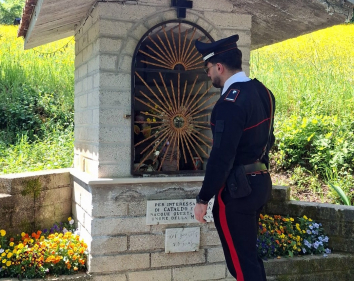
Series of Attacks on sacred statues across Frosinone Province
April 18, 2026, ItalyA series of vandalism incidents targeting sacred statues has been reported in the province of Frosinone, Italy, with multiple cases occurring within a few days. On 18 April 2026, statues in Ceccano and Pofi were found decapitated inside public votive niches. Authorities confirm that at least six similar episodes have recently been recorded across the province.
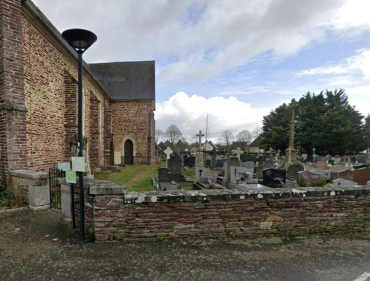
Cemetery near Rennes vandalised in grave desecration involving Christian symbols
April 18, 2026, FranceAround thirty graves were vandalised in the cemetery of Saint-Jacques-de-la-Lande, near Rennes, between 18 and 20 April 2026. The damage included broken Christian crosses, shattered funerary objects and a statue of the Virgin Mary torn from its base.

Arson attack targets Catrezzato church
April 17, 2026, ItalyA 50-year-old man has been identified and reported to authorities after entering the parish church of Saints Peter and Paul in Castrezzato and setting fire to decorative fabrics on two side altars.

Repeated vandalism against Cathedral Bitonto
April 17, 2026, ItalyActs of vandalism have been reported in Piazza Cattedrale, where the Cathedral façade and a historic obelisk were damaged during an incident involving repeated impacts with a motorcycle helmet involving minors.

Pastor’s Home in Cottbus Targeted in Political Vandalism Attack
April 17, 2026, GermanyThe residence of a local lutheran pastor in Cottbus was deliberately targeted in a vandalism attack with a suspected right-extremist background. Perpetrators allegedly broke into the residential building, rioted in the staircase, kicked an apartment door and left stickers with right-wing symbols and inscriptions on the mailbox of the pastor, who is known for his political left-wing activism.
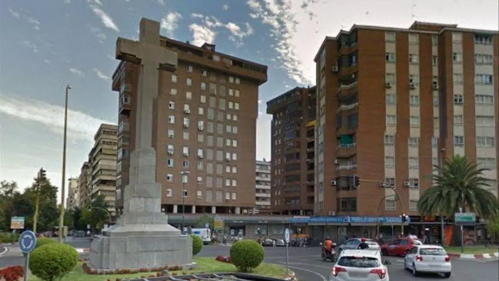
Government orders removal of Cáceres Cross following inclusion in Francoist symbols catalogue
April 17, 2026, SpainSpain’s Ministry has ordered the removal of the Cross of the Fallen in Cáceres after classifying it as a symbol contrary to "democratic memory". The decision, described by the Government as necessary due to the monument’s Francoist political origin. However, the local community strongly opposes the removal with the mayor stating that “the people of Cáceres see it as part of our city”.
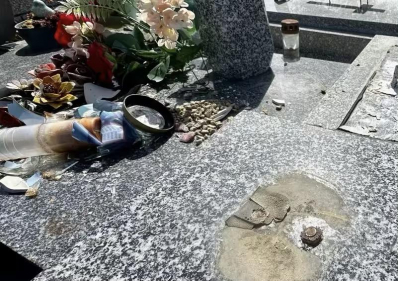
Cemeteries in Mayenne and Brittany vandalised in series of thefts of religious statues
April 16, 2026, FranceSince early April 2026, multiple cemeteries across Mayenne, Ille-et-Vilaine and Morbihan have been targeted in a series of thefts and acts of vandalism in which bronze statuettes of the Virgin Mary were removed from graves.