All cases
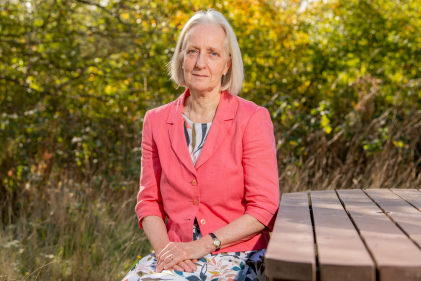
UK Christian Teacher Dismissed after Responding to Pupils, Stating that She Is Pro-Life
October 10, 2026, United KingdomA Christian teacher at Biddick Academy in Sunderland has brought a religious discrimination claim after being dismissed following classroom conversations in which she expressed her pro-life beliefs. Anita Meston says she answered pupils’ questions before redirecting the class to the subject without imposing her views.
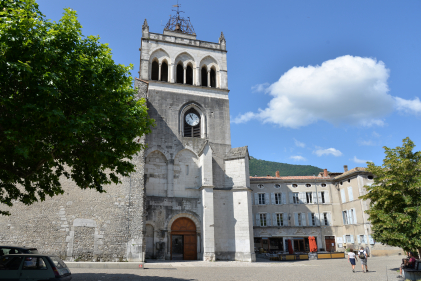
Attempted Arson in Notre-Dame Cathedral in Die under Investigation
October 8, 2026, FranceOn 8 October 2026, a 19-year-old man was arrested after allegedly attempting to start a fire inside Notre-Dame Cathedral in Die. The suspect was placed in police custody on suspicion of attempted damage by fire after he was caught with matches and at least one candle in the middle of the Cathedral.
Church Services Disrupted with Teenagers shouting Islamic Slogans
October 6, 2026, AustriaOn the evening of 6 October, several teenagers disrupted a church service at an undisclosed Catholic parish in Vienna by shouting "Allahu Akbar" from the church entrance before fleeing. The parish priest expressed concern over the incident, and expressed that the report keep his name and the name of the parish private for safety reasons.
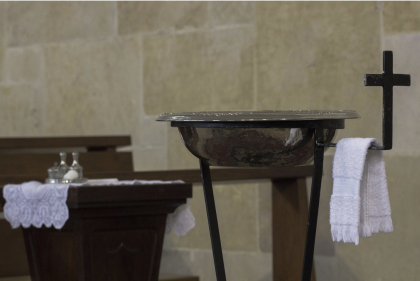
Holy Water Font Smeared with Excrement at Düsseldorf Church
October 6, 2026, GermanyAt the Catholic Church of Our Lady in Flingen-Düsseldorf, the holy water font was reportedly smeared with excrement amid repeated incidents of disorder and vandalism in the church entrance area. In response, the parish has decided to close the church outside of religious services, restricting access to the community.

Adolescents Film Profanation Inside Saint-Hilaire Church
October 4, 2026, FranceNine adolescents reportedly filmed themselves inside the Church of Saint-Hilaire in Soullans, singing and dancing to a rap song containing references to glorifying a terrorist attack which took place in 2015. The video further showed disrespectful and disorderly behaviour around the altar of the church, as well as some minor damage including overturned objects and burn marks on benches. The incident has prompted judicial investigation for an alleged glorification of terrorism inside a Christian place of worship.
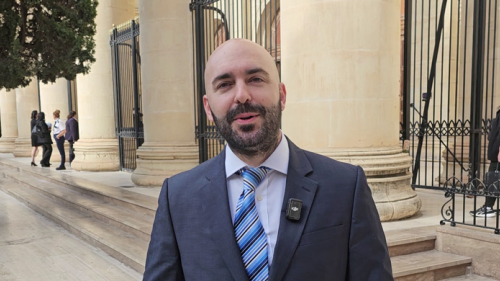
Update: Prosecutor Appeals Grech’s Acquittal over Christian Testimony
October 2, 2026, MaltaMalta’s Attorney General is challenging Matthew Grech’s acquittal on charges of “advertising conversion practices” after he shared his Christian testimony during an online interview. According to Christian Concern, the appeal was before the court on 2 October 2026, prolonging proceedings against Grech despite a ruling that the broadcast constituted legitimate discussion and personal testimony, which should not be criminalised.
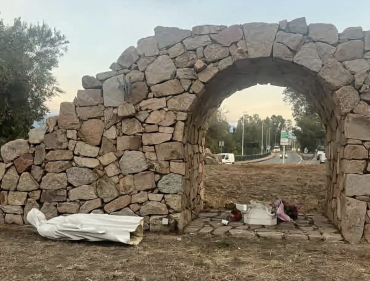
Virgin Mary Statue Desecrated in Attack in Porto-Vecchio
October 1, 2026, FranceDuring the night of 30 September to 1 October, a statue of the Virgin Mary at a public street in Porto-Vecchio, Corsica, was deliberately pulled from its pedestal and destroyed while perpetrators filmed the incident. The statue, known as 'A Vergine Maria', is a place of devotion for local residents. The Catholic Church of Corsica has expressed support for the parish community and called on the faithful to pray for the conversion of those responsible.

Christ Figure Found Destroyed in Grainau
September 30, 2026, GermanyIn late September 2026, an approximately 120-year-old wooden figure of Christ at the Baschner Cross near the Jägersteig in Grainau was found torn down from the cross and smashed into pieces. The incident has shocked local residents, as this was the second reported attack on the figure, and it will now be repaired for the second time. The parish priest has called for forgiveness in the matter, though still affirmed that such an incident affects the local community and not only Christians.
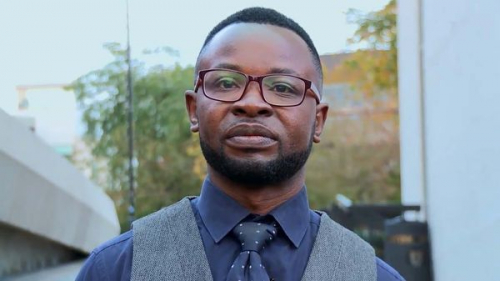
Felix Ngole Addresses Court of Appeal in Religious Discrimination Case
September 28, 2026, United KingdomOn 28 September 2026, Christian social worker Felix Ngole returned to the Court of Appeal in his dispute with a mental health charity that withdrew his job offer after discovering his publicly expressed Christian beliefs. A tribunal has already ruled that the initial withdrawal was religious discrimination, and a further appeal found errors in how his remaining claims were decided. Ngole is now asking the court to rule on those claims without requiring him to repeat part of the case before the same tribunal.
Christian Care Institutions in Zurich Canton Forced to Facilitate Assisted Suicide
September 27, 2026, SwitzerlandOn 27 September 2026, voters in Zurich canton approved a requirement forcing hospitals and care homes, including Christian institutions, to facilitate assisted suicide on their premises despite their conscientious objections. Implementation is expected in spring 2027. According to PRO, nearly 30 private Christian homes that currently reject the practice will be affected.
Priest dead after stabbing at Polish Benedictine Convent
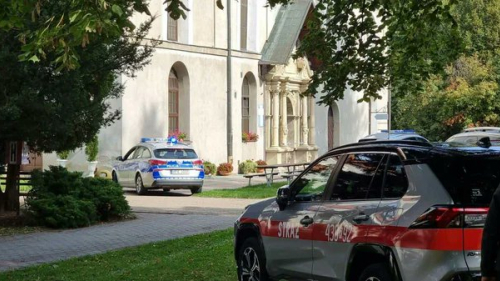
September 24, 2026, PolandA Catholic priest has died following a stabbing at a Benedictine convent in Jarosław, Poland, on 24 September, and a total of five victims were stabbed in the attack. Government officials have responded in horror at the attack, and sympathy for the members of the community. Following the attack, Rzeszów Cathedral stated that the community was filled with "great sadness" at the attack.
Man Damages Church Altar and Votive Shrine
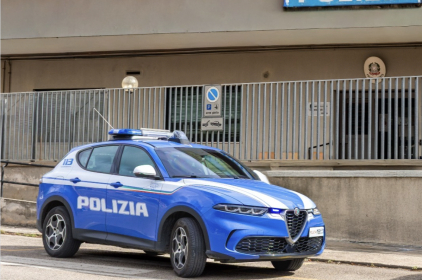
September 23, 2026, ItalyOn 23 September, a man entered the historic Church of San Rocco in the Castellone district of Formia and allegedly caused extensive damage to the interior of the building. He reportedly used a chair to damage the altar and knock down statues of saints, before also damaging a Marian votive shrine nearby. During his arrest, several police officers were reportedly injured. While the parish priest was reportedly calm following the incident, it has nonetheless shaken the community of Castellone.

Christian influencer assaulted in Vienna
September 22, 2026, AustriaOn 22 September, an 18-year-old Christian content creator was assaulted by two youths near an underground station in Vienna. According to his account, one attacker threatened him with a knife and he suffered injuries to his ribs, hips, and nose. The incident was reported to police, and the victim expressed the belief that the attack was related to his Christian social media content.
Cross and vestments vandalised in Grein church
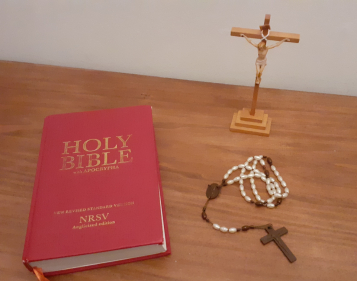
September 22, 2026, AustriaOn 22 September, unknown perpetrators vandalised the Stadtpfarrkirche in Grein, scattering items from the confessional, prayer books, devotional images of saints and seat cushions throughout the church. The baptismal font was damaged, while a broken cross and two of the priest’s stoles were placed in the holy-water basin.
Multiple Marian Shrines Vandalised in Radom
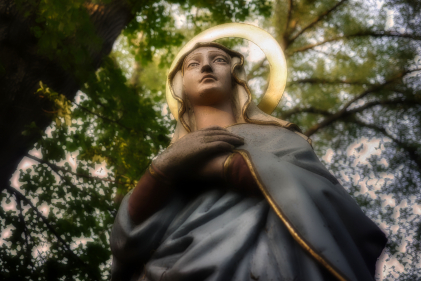
September 22, 2026, PolandBetween 1 and 22 September 2026, a 34-year-old man allegedly damaged numerous roadside shrines and religious figures in Radom by defacing them with paint and damaging the religious statues. Reportedly vandalising up to ten historic chapels with images of the Virgin Mary, the suspect, after confessing to the vandalism, had 12 charges brought against him for the destruction of the figures. The local parish priest described the acts of vandalism as a blasphemy against God and the local community of believers.
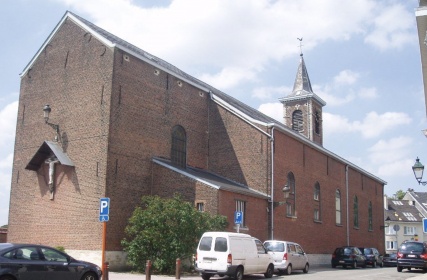
Church near Brussels closes due to slew of vandalism
September 19, 2026, BelgiumAccording to a report from 19 September, St. Anne's Church in Auderghem has decided to close its doors and cease services after repeated acts of vandalism. The church council made the decision due to the incessant attacks on the historic building over the spring and summer of 2026. The measure is very shocking to the community, who relied on the church as an accessible and open place of worship.

Tabernacle forcibly removed and consecrated hosts scattered outside church in Guitiriz
September 19, 2026, SpainOn 19 September, unknown individuals forcibly removed and opened the tabernacle of the parish church of Santa Maria de Lagostelle in Guitiriz, stealing the ciborium containing consecrated hosts. The hosts were subsequently scattered outside the church, while the silver ciborium remained missing. The incident constitutes desecration and sacrilegious theft and was condemned by the Diocese as a direct affront against the Eucharist and the centre of the Catholic faith.

ISIS Supporter Arrested over Planned Attack on Bremen Church
September 17, 2026, GermanyIn Brandenburg, federal prosecutors have arrested a man on suspicion of planning a serious act of violence against a church in Bremen, allegedly acquiring a firearm for this purpose. The 24-year-old individual is believed to be a supporter of the so-called Islamic State (ISIS) terrorist organisation, and was arrested by the Federal Criminal Police Office and was brought before the investigating judge on 17 September under suspicion of attempting to establish a terrorist organisation, preparing a serious crime endangering the state, and violating weapons laws.

Attack on Catholic Clinic in Flensburg
September 17, 2026, GermanyAccording to a report from 17 September, a Catholic clinic in Flensburg has been targeted in an attack by unknown protesters who have smeared the entrance of the hospital with a pro-abortionist inscription, as well as vandalising an information board. The perpetrators also left hangers at the entrance, which is used as a political symbol by pro-abortionists. The report identifies all the actions as directly targeting the attitude of the Catholic hospital, since it no longer performed abortion procedures.
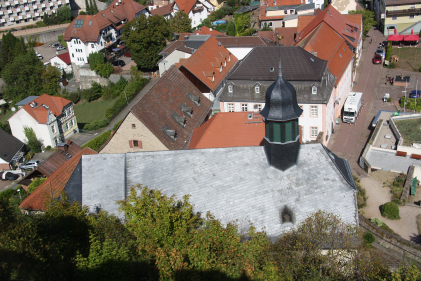
Lindenfels Catholic Church closed after repeated vandalism
September 15, 2026, GermanyIn September, the Catholic Church of Saints Peter and Paul in Lindenfels was the target of repeated acts of vandalism, forcing it to close its doors outside of Mass and other services in order to protect the building. Consequently, the community's access to this place of worship a has been limited.