French court orders removal of restored calvary cross from public land
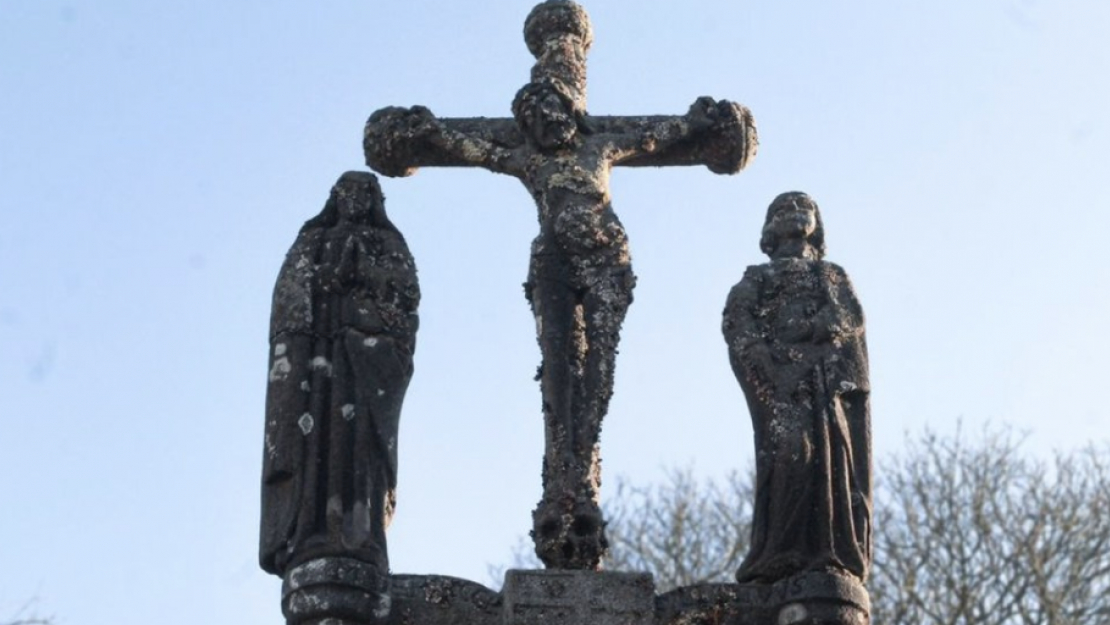
According to reports from 16 July, the Rennes Administrative Court has ordered the municipality of Saint-Divy in Brittany to remove a restored replica of the historic centuries-old Kerdalaès Calvary cross from public land, ruling that its installation violated the French secularism laws of 1905. Its removal affects a site of longstanding significance for the local Christian community, and raises concerns about the reconstruction of religious symbols.
As reported on 16 July 2026, the Rennes Administrative Court ordered the municipality of Saint-Divy in Brittany to remove a restored replica of the historic Kerdalaès cross from public land within six months. The order came on 26 June 2026. The monument is a reproduction of a cross which stood at the site for approximately three centuries before it was moved to the local cemetery in 1967. However, locals kept the stone base at the original location which was used for the commission of the replica installed in 2025.
The court ruled that the installation of the replica cross constituted a new religious monument on public property rather than the restoration of an existing one. This ruling was in favour of the secular association Libre Pensée 29, which promotes a very strict interpretation of the 1905 French secularism law and the principle of laïcité. As such, the ruling found that the reconstruction contravened the law, which generally prohibits the installation of new religious symbols on public land after the law's enactment.
According to reports, the decision to restore the site to its original historical appearance looked at reinstalling a faithful reproduction in the very spot where it had stood since the 17th century. The aim was not to erect a new religious symbol, the report states.
In an similar case in June 2026, the Court of Appeal of Marseille upheld a ruling requiring the removal of a cross, which replaced an earlier installation. However, in the Marseille case the court argued that the cross constituted a new installation rather than the replacement of a pre-existing monument, noting that several decades had elapsed between the disappearance of the former cross and the erection of the new one and that the two monuments were located at different sites within the village (OIDAC reported).
These cases have raised concerns about whether the French people will have to abandon the reconstruction of replicas of formerly standing religious monuments.
From locals, the ruling faced condemnation, one writing that the decision "enshrines the impossibility for Bretons to preserve their original heritage." The mayor stated that the municipality would comply with the decision by relocating the cross onto private land owned by the parish.
Source: tribunechretienne, letelegramme, breizh
Image: Social Media