Swiss Evangelical Leaders Challenge Geneva's Ban on Religious Symbols for Elected Representatives
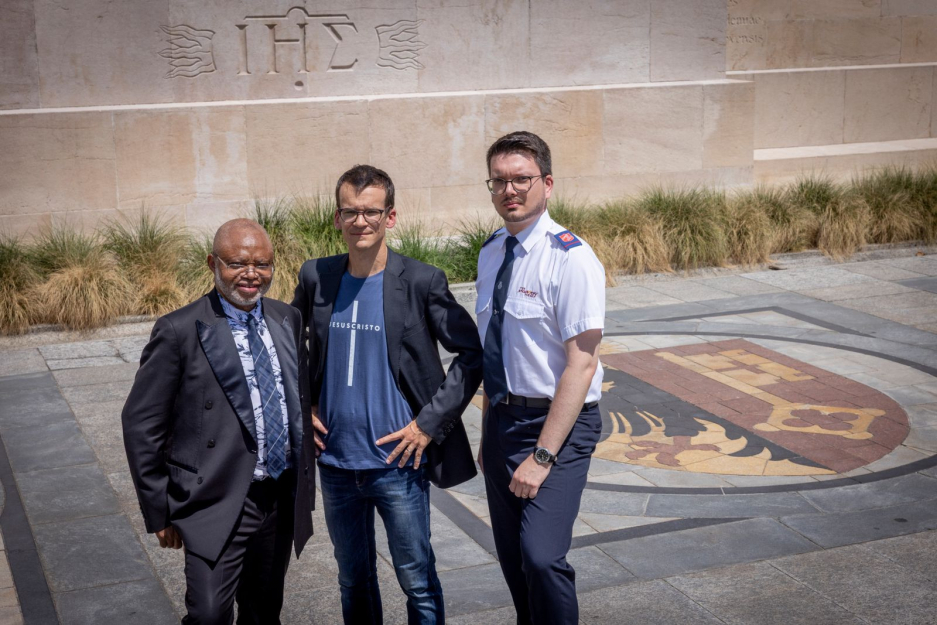
Three Swiss evangelical leaders have filed a legal challenge against a constitutional amendment in the Canton of Geneva prohibiting elected representatives from wearing visible religious symbols while carrying out their official duties. The applicants argue that the measure violates freedom of religion and undermines democratic representation by requiring parliamentarians to conceal their religious identity.
The legal challenge was lodged on 17 July 2026 before Geneva's Constitutional Chamber following a constitutional amendment approved by 51.37% of voters in a referendum on 14 June 2026. The amendment, originally proposed by a member of the Swiss People's Party (UDC), prohibits members of the Geneva Grand Council and municipal councils from wearing visible religious symbols, including crosses, kippahs and Islamic headscarves, during parliamentary sessions and official functions.
Although the initiative was widely perceived as primarily targeting Muslim women wearing headscarves, the restriction affects all religious communities equally. The applicants argue that the amendment infringes the right to manifest one's religion and promotes an understanding of secularism that excludes religion from the public sphere.
One of the applicants, Michael Mutzner, stressed that "secularism has its place when it defends religious neutrality. It is intended to protect the expression of different beliefs and promote tolerance. But it must not become a pretext for prohibiting religion in the public sphere." He also emphasised the constitutional distinction between different branches of government, stating that it is essential to distinguish between "a government, which represents the State, and a parliament, which represents the people." In their view, elected representatives should be free to reflect the religious diversity of the electorate.
The applicants further argue that requiring elected representatives to conceal visible manifestations of their faith infringes freedom of religion and weakens democratic pluralism. According to Mutzner, the measure also risks contributing to the "invisibilisation" of religion in public life.
The Swiss Evangelical Alliance has also opposed the amendment, stating that while it supports a secular state that guarantees religious neutrality and peaceful coexistence, secularism should not suppress the manifestation of religious beliefs in democratic institutions.
The applicants maintain that the amendment is incompatible with the guarantees of religious freedom under the Swiss Federal Constitution. Their case also seeks to prevent similar restrictions from being introduced elsewhere in Switzerland, arguing that Geneva, as an international centre for human rights, should serve as an example of religious pluralism rather than religious exclusion.
Sources: Ecumenical News, TdG Genève
Image (c) Magali Girardin