NI Police Guidance Warns Carrying a Bible Could Be an Offence Under "Buffer Zone" Law
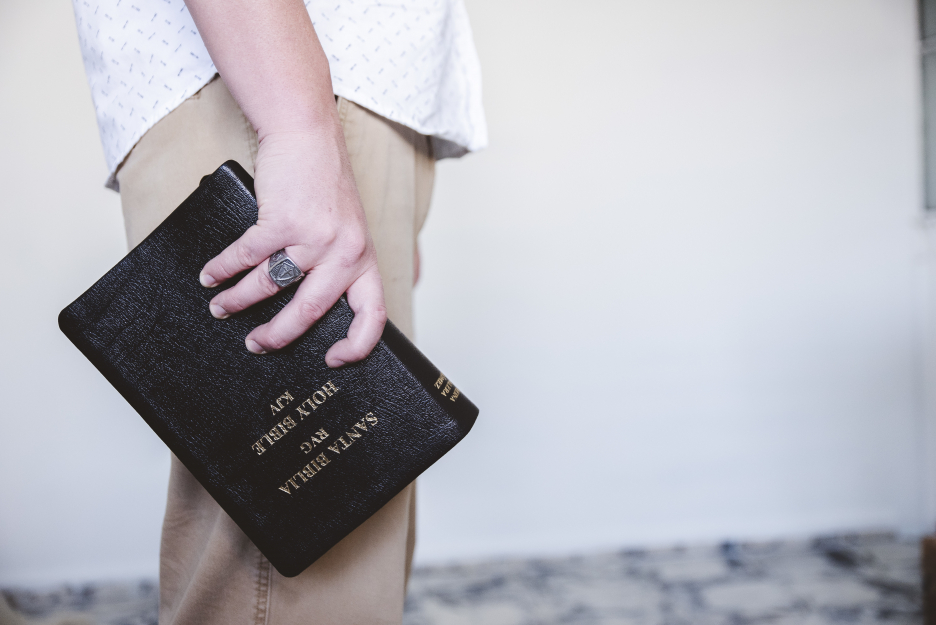
New guidance issued by the Police Service of Northern Ireland (PSNI) has raised concerns that ordinary Christian pastoral ministry could fall within the scope of Northern Ireland's abortion buffer zone legislation. According to the guidance, activities such as praying with patients at their request, reading Scripture or carrying a Bible through certain areas of a hospital may constitute criminal offences if they are considered capable of influencing or causing distress to a person accessing abortion services. Critics argue that the guidance illustrates the far-reaching scope of buffer zone legislation and risks creating a chilling effect on the peaceful exercise of freedom of religion and freedom of expression.
The guidance was published in response to questions about how the Abortion Services (Safe Access Zones) Act (Northern Ireland) 2023 applies to the routine work of hospital chaplains and clergy. While the PSNI states that "the vast majority of hospital chaplaincy and pastoral ministry is entirely unaffected", it also emphasises that "no exemptions exist" for clergy and that describing conduct as "pastoral, prayerful or religious in nature" does not determine whether an offence has been committed.
In response to specific questions, the guidance states that "pastoral ministry (...) even where fully consensual between the clergy member and their patient, may still constitute an offence if it is capable of influencing, impeding, or causing distress to a protected person in that zone."
Likewise, it states that "carrying or visibly displaying religious materials within a Safe Access Zone may constitute an offence" where this is capable of influencing or causing distress to a person attending for abortion services. The guidance further notes that "visible religious practice may constitute an offence", even where "no direct approach or communication takes place."
The guidance also stresses that intention is not required for criminal liability. It states that "a person does not have to intend to commit an offence" and that "it is sufficient that a person was reckless as to whether their behaviour had one of those effects." It concludes by advising individuals with questions about the application of the law to "seek independent legal advice."
Critics argue that the guidance demonstrates how buffer zone legislation extends well beyond preventing harassment or obstruction outside abortion facilities, but creates legal uncertainty for ordinary religious activities, including consensual pastoral care and the peaceful public expression of religious beliefs.
Although the PSNI emphasises that it is not prohibiting Bibles, prayer or pastoral ministry as such, and that each situation will be assessed on its individual facts, critics argue that this does not address the wider concern. The very fact that police guidance is now required to explain under what circumstances carrying a Bible through a hospital or praying with a consenting patient might amount to a criminal offence, and advises individuals to seek independent legal advice, creates a chilling effect on the peaceful exercise of freedom of religion and freedom of expression.
Furthermore, the fact that police guidance requiring police officers to assess whether carrying a Bible, reading Scripture or praying with a patient might indirectly influence another person illustrates the broad scope of the legislation and risks creating a chilling effect on freedom of religion and expression.
The guidance follows several recent cases arising under buffer zone legislation in the United Kingdom. These include the conviction of Pastor Clive Johnston for preaching near Causeway Hospital in Northern Ireland, despite not referring to abortion in his sermon, and the dismissal of criminal charges against Rose Docherty in Scotland after she had been prosecuted for peacefully offering consensual conversation near a hospital under Scotland's buffer zone law (as previously reported by OIDAC).
Sources: Police Service of Northern Ireland, Spiked
Symbolic Image: Magnific