French Bill Could Restrict Christian Symbols Worn by Local Elected Representatives
On 9 April 2026, members of the French Senate introduced a bill prohibiting local elected representatives from wearing conspicuous religious symbols while exercising their mandates, with sanctions that could ultimately include removal from office. Although the sponsors focus on Islamic headscarves, the text applies to every religion and could equally prevent members of other religions from wearing visible symbols. The bill raises serious concerns that the neutrality of public institutions is being transformed into a requirement that elected believers remain religiously invisible.
On 9 April 2026, Members of the French parliament introduced proposition de loi n° 535 (Private Member’s Bill No. 535) in the Sénat (French Senate), seeking to prohibit local elected representatives from wearing conspicuous religious symbols while exercising their mandates, performing official functions or representing their local authorities. The proposal was referred to the Committee on Constitutional Laws and Legislation.
The bill would add Article L. 1111-13-1 to the Code général des collectivités territoriales (General Code of Territorial Authorities). Under the proposal, mayors and presidents of local authorities would be responsible for ensuring compliance with the prohibition. The internal rules of each local authority could also provide for a reduction in the official allowance of an elected representative who failed to comply. After repeated non-compliance and an unsuccessful formal notice, the prefect could ask the administrative court to remove the representative from office.
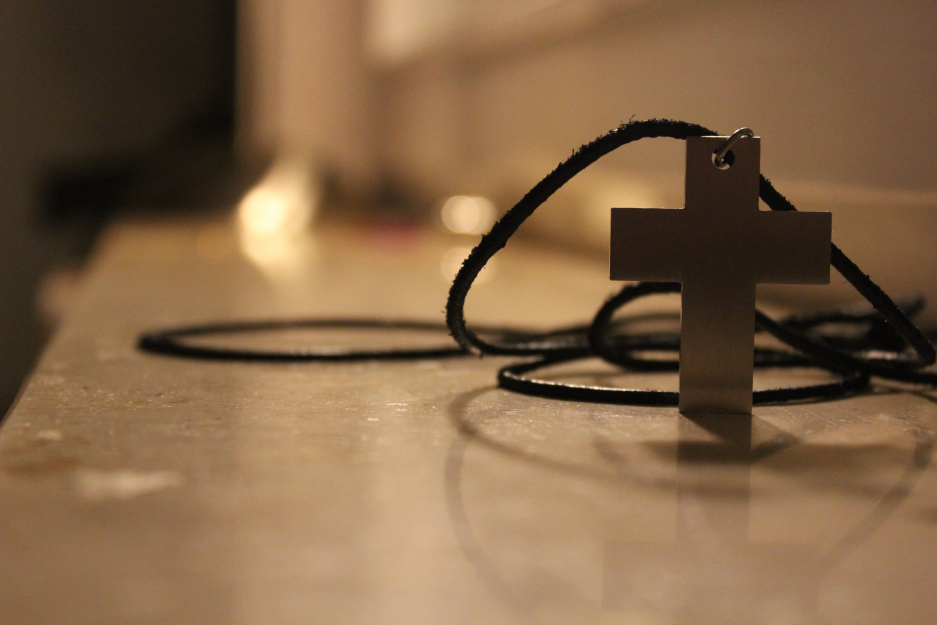
The explanatory memorandum presents the measure as a clarification of the French principle of laïcité, connecting it with Islamic headscarves worn by women elected in March 2026 and with what the sponsors describe as Islamist entryism. The operative provision does not mention Islam or any particular religion, meaning that an elected Christian wearing a visible cross could also fall within its scope.
This broader effect is particularly concerning from a human rights perspective because elected representatives are not merely public officials acting on behalf of the State. They are citizens chosen to represent the political, cultural and religious diversity of their communities. Their religious identity may form part of the convictions and experiences that connect them with the people they represent, and requiring them to conceal it risks excluding an important dimension of democratic pluralism from public life. Institutional neutrality should therefore not be transformed into a duty of personal religious invisibility for elected representatives.
The legal position in France remains unsettled. On 18 March 2026, Dijon's Administrative Court, acting through an emergency judge, declined to suspend a comparable municipal rule, but this interim decision only concluded that there was no grave and manifestly unlawful interference requiring immediate suspension and did not resolve the merits. A separate proposition de loi n° 2657 (Private Member’s Bill No. 2657) was introduced in the National Assembly on 14 April and likewise remained at committee stage when last verified.
The European Court of Human Rights’ official Article 9 case-law guide recognises that wearing a religious symbol in public is protected by the European Convention on Human Rights and that a democratic society must tolerate religious pluralism. In Eweida and Others v. the United Kingdom, the Court found a violation where an employee was prevented from visibly wearing a Christian cross. Although the contexts differ and States retain a margin of appreciation, a general prohibition backed by financial penalties and the possible loss of elected office would require careful scrutiny of its necessity and proportionality.
Sources: The Conversation, Le Monde, Crux