French Assisted Suicide and Euthanasia Law Leaves Christian Care Institutions with Conditional Protection
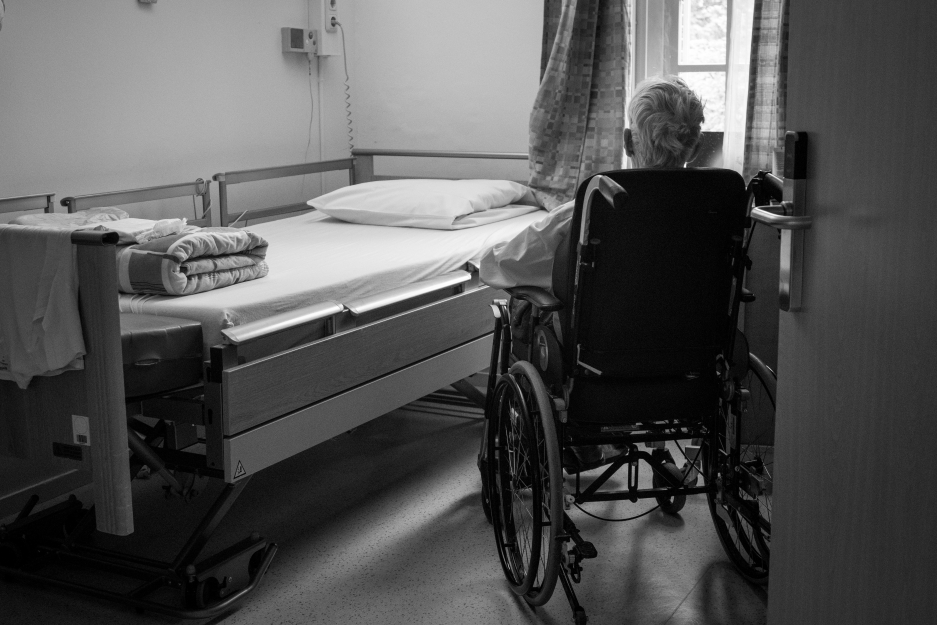
On 14 August 2026, the Constitutional Council upheld France’s legislation permitting assisted suicide and euthanasia, while requiring additional safeguards. Pharmacists gained protection against compulsory participation, but private Christian care institutions may refuse the procedure on their premises only where it clearly conflicts with their institutional mission and other establishments can meet local needs. This leaves their ability to uphold institutional conscientious objection dependent on the availability of alternative services.
France’s legislation permitting assisted suicide and euthanasia recognises individual conscientious objection but leaves Christian care institutions with a conditional ability to refuse procedures on their premises. The National Assembly definitively adopted the legislation on 15 July 2026. Following constitutional review on 14 August, it was promulgated as Law No. 2026-794 on the Right to “Assisted Dying” and published on 19 August. Article 2 uses “assisted dying” to cover both self-administration of a lethal substance and, where the patient is physically unable to administer it, administration by a doctor or nurse.
The Constitutional Council upheld the challenged provisions subject to three binding interpretative reservations. These concerned consideration of observations from a protected adult’s legal representative, pharmacists’ freedom of conscience, and private establishments’ ability to refuse the procedure. For protected adults, paragraph 121 requires the deciding doctor to take the representative’s observations into account, rather than merely collect and circulate them.
For pharmacists, the decision closed a significant gap in the parliamentary text, which had not expressly included them in the conscience clause. The Ordre national des pharmaciens (French Order of Pharmacists) explained on 27 August that hospital and community pharmacists cannot be required to participate, including through preparing or dispensing the lethal substance. Their protection therefore follows from the Council’s binding interpretation even though the wording of the statutory clause does not expressly name them.
For public institutions, the starting point is different. Article 14 requires the person responsible for a healthcare or social care establishment to allow professionals involved in the procedure to enter and act on its premises, together with the relatives chosen by the patient. This means that individual staff members’ refusal does not, by itself, prevent outside professionals from carrying out assisted suicide or euthanasia within another institution.
Paragraph 188 of the Council’s decision allows private institutions to refuse the procedure on their premises, but imposes two cumulative conditions: the procedure must be manifestly contrary to their statutory purposes or institutional project, and other establishments must be able to meet local needs. The Council based this exception on freedom of association and freedom to conduct a business, rather than expressly recognising institutional religious autonomy or collective conscientious objection.
For Christian hospitals and care homes, the practical concern is therefore whether their documented commitment to protecting life will be sufficient to exclude these procedures from their premises; and even if that is the case, it will also depend on the availability of the procedure elsewhere. Where alternative establishments lack capacity, an institution could be forced to perform euthanasia despite an unchanged religious mission. The protection consequently leaves room for disputes over what constitutes adequate local provision and whether an alternative is "genuinely accessible" to a "seriously ill patient".
Individual protection also has limits. The Council upheld the requirement for objecting healthcare professionals to identify willing practitioners. For Christians who consider such assistance itself a form of cooperation, that obligation remains a concern. Conversely, paragraphs 162–163 clarify that psychologists and social or medico-social professionals invited to the multidisciplinary assessment meeting are not obliged to attend. The remaining issue is thus how far these safeguards allow professionals and institutions to maintain their convictions throughout the process, including when local alternatives are scarce.
Source: Le Monde, Le Club des Juristes, European Centre for Law and Justice
Image: Annabel Podevyn on Unsplash