UK Evangelist Acquitted after Prosecution for Sharing Gospel Leaflets in Soho
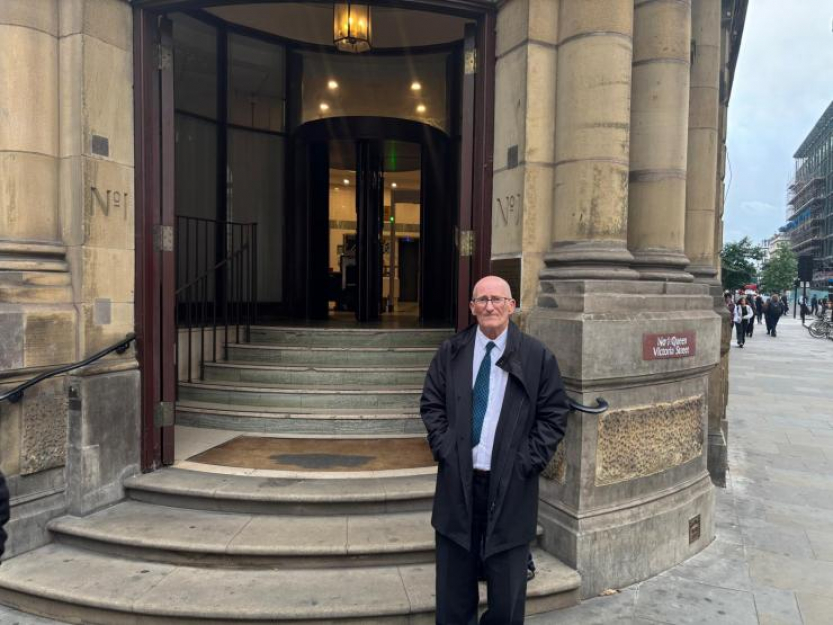
On 4 September 2026, a London court acquitted Christian evangelist Richard Johnson, who had been prosecuted for distributing a Gospel leaflet in Soho. A complainant described the neighbourhood as an LGBT “safe space”, and prosecutors argued that the location mattered when assessing the leaflet. The court found that the prosecution had not proved a public order offence, despite accepting that the leaflet had upset and offended its reader.
On 4 September 2026, the City of London Magistrates’ Court acquitted 72-year-old Christian evangelist Richard Johnson following his prosecution for distributing Gospel leaflets in Soho. Johnson had handed out copies of an leaflet called on 14 April 2025 which retold the biblical account of Sodom and Gomorrah and addresses sin, judgement, repentance and salvation, including Christian teaching about homosexuality. Two men complained about the leaflet, and Johnson was charged under section 4A of the Public Order Act 1986, which concerns intentional harassment, alarm or distress.
Johnson told the court that he had distributed several kinds of Christian literature that day, most of it unrelated to homosexuality. According to an account, after he handed out leaflets near a pub on Old Compton Street, two men followed him and told him to leave Soho. One complainant later read a copy passed to him by somebody else. The other had found a copy left at another pub and had not encountered Johnson. The second complainant did not attend the trial, and the prosecution offered no evidence on that charge after the court declined to admit his written statement in his absence.
The location became a central issue at the hearing. One complainant described Soho as an LGBT “safe space” and said he found the leaflet offensive. The prosecution argued that Johnson’s decision to distribute material addressing homosexuality in Soho was relevant to the case. His barrister, Michael Phillips, responded that the same freedom to express religious beliefs applies in Soho as elsewhere in London. The reference to a “safe space” was part of the argument presented at trial, not a rule giving the neighbourhood a different legal standard for speech.
The magistrates accepted that the leaflet had caused offence and upset, but found that the prosecution had not proved the elements required for a criminal conviction. According to an account of the oral decision, the court found no threatening conduct and considered the threshold for criminalising Johnson’s expression unmet. It also referred to the separate High Court judgment in Director of Public Prosecutions v Coskun, which addressed the distinction between causing offence and committing a public order offence. A defence costs order was granted.
The ruling confirms that the fact that a religious message is considered offensive, including in a location where it may be particularly unwelcome, is not in itself sufficient to constitute a public order offence.
Source: Christian Concern, Evangelical Times
Image: Christian Concern