All cases
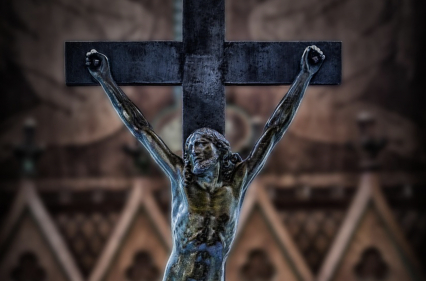
Priest appeals for help as crucifix is defaced
September 2, 2026, ItalyAs reported on 2 September, the crucifix in the Church of the Nativity of San Giovanni Battista in Mezzolombardo was recently defaced. The parish priest announced the defacement which caused bitterness in the community, and appealed for the creation of a new crucifix as a sign of unity.
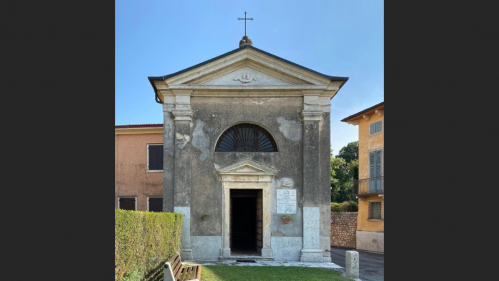
Crucifix in the Chapel of Santa Croce broken to pieces
September 1, 2026, ItalyOn 1 September, the Chapel of Santa Croce al Piano in Colognola ai Colli was subjected to a serious act of vandalism that caused damage to furnishings, religious images, and sacred art; most notably to a crucifix which was found smashed. A man was detained in connection with the serious incident, which affected a place of worship particularly dear to the local community, arousing "indignation" over the acts.
Vandalism and Harassment of the faithful Leads to Church Closure
September 1, 2026, ItalyAccording to reports from 1 September, a group of young people repeatedly caused disturbances at the church in Lunetta, including entering the building and blaspheming at the faithful who were praying; littering and causing damage to the churchyard. The parish responded by closing the church during the mornings until the reopening of schools, citing the need to protect the faithful and prevent further vandalism.

Two suspected arson attempts at Saint-Martin Church
September 1, 2026, FranceAccording to reports from 1 September, two fires were deliberately started inside the Saint-Martin Church in Templeuve-en-Pévèle, Nord on 31 August. The fires caused only minor damage, according to the available reporting, but the circumstances indicate a deliberate arson attempt targeting of the church. A social media post described the incident as an attack on a place of worship that insults the common identity and history of the community.
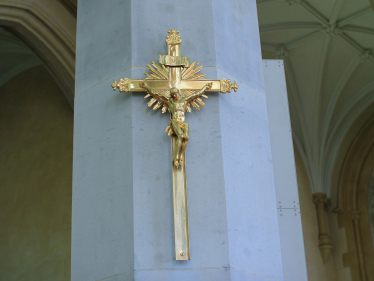
Vandals tear Christ figure off tabernacle in church vandalism
August 30, 2026, GermanyOn 30 August, St. George's Church in Reichmannshausen was vandalised. The church's religious symbols were targeted, with a figure of Christ torn from the tabernacle, a crucifix destroyed, along with the oil from several candles being spilled in the church.
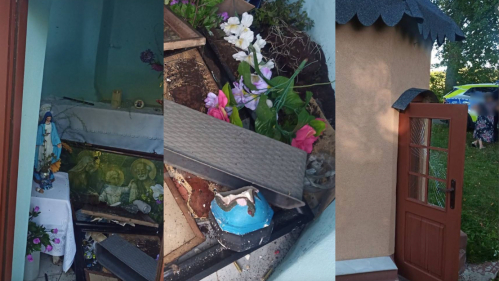
Religious statues smashed at two wayside chapels in Mazovia
August 30, 2026, PolandOn 30 August 2026, a 21-year-old man vandalised two Catholic wayside chapels in Zygmunty and nearby Przyłęk, damaging religious images and statues and breaking windows and doors. He was arrested, admitted for the offence and was charged with insulting a place intended for the public performance of religious rites; the incident involved deliberate destruction of sacred objects and caused damage to two places of worship.
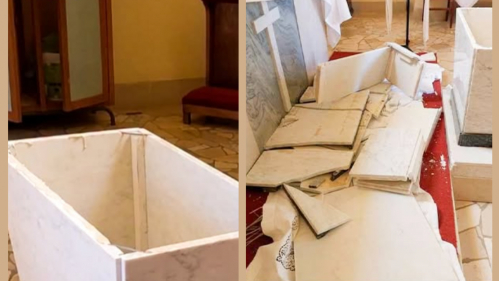
Altar destroyed and Statue Smashed in Bari Chapel
August 29, 2026, ItalyOn 29 August 2026, unknown perpetrators vandalised a Catholic cemetery chapel in Bari, completely destroying its altar and smashing a statue of the Virgin Mary. An empty tabernacle and priestly vestments were also stolen, causing deep pain within the local Catholic community, particularly as the incident occurred shortly before the chapel's patronal feast.
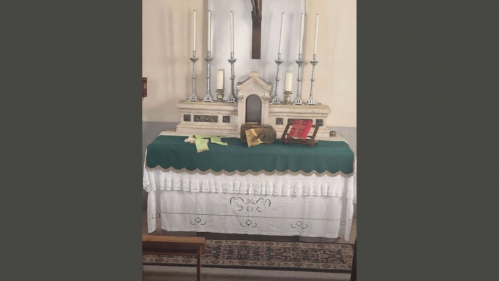
Bishop Condemns Deliberate Desecration of Pavia Cemetery Chapel
August 29, 2026, ItalyBetween 28 and 29 August 2026, unknown perpetrators broke into the Chapel of San Giovannino Cemetery in Pavia, forced open the tabernacle and stole a ciborium containing consecrated hosts. Several hosts were found on the floor, while others were recovered inside the chapel during a subsequent police inspection. The incident was described by the Bishop as a “very serious act of sacrilege” and prompted a Mass of reparation, and prayers for repentance of the perpetrators.
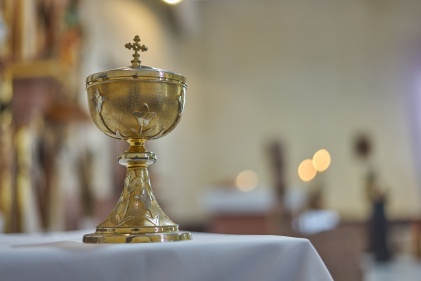
Third Theft of Consecrated Hosts; Potential Occult Motive Investigated
August 29, 2026, ItalyOn 29 August 2026, a ciborium containing consecrated hosts was stolen from Santa Maria Maggiore Church in Scordia, making the incident the latest of three sacrilegious thefts reported within a few days at churches in different parts of Italy. The three cases involved either consecrated hosts or a tabernacle, and authorities are investigating whether they could be connected, including the possibility of an occult motive. The theft caused deep distress within the local Christian community and prompted the bishop to call for prayers of reparation and Eucharistic adoration.
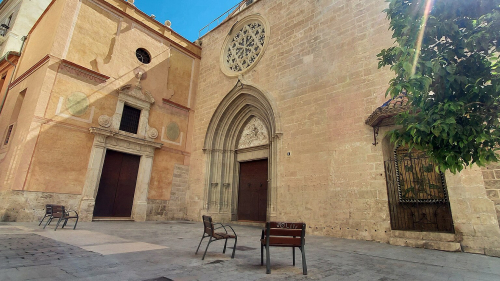
Parish of San Nicolás demands action after ongoing acts of vandalism
August 27, 2026, SpainOn 27 August, the Parish of San Nicolás de Bari y San Pedro Mártir, known as the Sistine Chapel in Valencia, raised concerns over repeated vandalism and deterioration affecting the property and surroundings of the historic church, including human and animal waste littered on its walls.