All cases

Chemical Attack Targets Christian Congress
May 10, 2025, GermanyA butyric acid attack took place at the Christian “Leben.Würde” congress at the Schönblick conference centre in Schwäbisch Gmünd, resulting in disruption and damage to the venue.
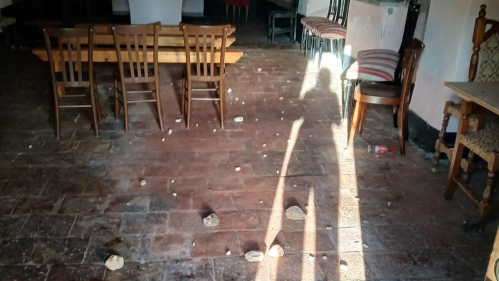
Church attacked with stones after recent destruction of crib
May 9, 2025, ItalyThe small countryside church of Madonna di Valverde in Dorgali, Sardinia, was vandalised when unknown individuals broke the door lock and threw stones inside. Although the altar and sacred objects were left untouched, this incident has shocked the local community, especially as it follows a series of similar occurrences in recent months. Just a month earlier, a marble nativity scene on the Carmel Hill was destroyed by hammer blows, a gesture against a religious symbol that shocked the local community.
Fire At Church in Vinovo
May 9, 2025, ItalyA group of minors set fire to a parish in Vinovo, causing damage to church premises. The act was identified as vandalism and led to police intervention.

Desecration of the church of Saint-Aygulf
May 5, 2025, FranceA church in Saint-Aygulf was desecrated after perpetrators broke in, removed the tabernacle, and stole consecrated hosts. The act targeted what Catholics consider the most sacred element of their faith.
Freshly Restored Church Entrance Defaced with Graffiti in Cádiz
May 5, 2025, SpainThe entrance of a church in Cádiz was vandalised with graffiti shortly after restoration, affecting part of the city’s religious heritage. The act targeted the façade of a place of worship and caused concern among the local community.

Two Churches Targeted with Anti-Religious Graffiti and Vandalism in Hanover and Alfeld
May 5, 2025, GermanyTwo Protestant churches in Hannover and Alfeld were vandalised with anti-religious graffiti and damage to church property. The incidents, featuring identical slogans, suggest a coordinated or related act targeting places of worship.
Religious Statues repeatedly stolen in Lot-et-Garonne
May 2, 2025, FranceIn Lot-et-Garonne, at least three statues of the Virgin Mary were stolen recently, the latest occurring on Friday 2 May beside a rural road on the plateau north of Condat in the commune of Fumel, prompting the town hall to issue an appeal for witnesses.

Multiple Threatening Calls to Churches in Kayseri and Other Cities
May 2, 2025, TurkeyOn May 1–2, 2026, Kayseri Church received numerous threatening calls, including 15 calls on May 2 alone. The same individual had threatened churches in multiple Turkish cities, claiming they would set buildings on fire with petrol and kill pastors.
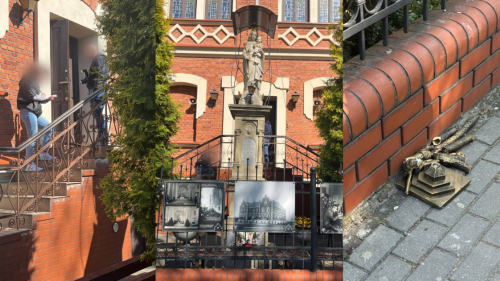
Desecration of the chapel in the former dormitory
May 1, 2025, PolandSomeone broke into the interior of the chapel in historic dormitory in the old town of Mielec. Inside they destroyed and stole valuable liturgical objects and the monstrance. The altar cross was broken into pieces and left outside the chapel. A large amount of candle oil was spilled on the floor, which could point to an attempt at arson. The Curia of the Diocese of Tarnów, considering this scandalous event as an act of profanation, decided to close the chapel temporarily. All services were moved to another parish.
Altar Cross Destroyed in Chapel Desecration in Mielec
May 1, 2025, PolandA chapel in Mielec was desecrated, with an altar cross completely destroyed and liturgical items, including books, stolen.
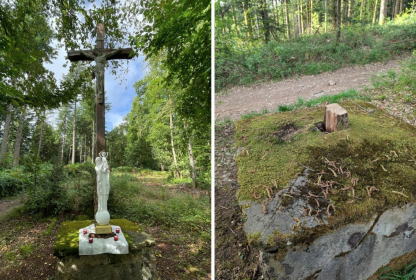
two-metre-high wooden cross cut down
May 1, 2025, FranceIn Curancy, Burgundy, on the night of 30 April, a two-metre-high wooden Christian cross was deliberately cut down and stolen from the woods. The vandals used a saw to cut it down and made off with it. Shocked by the incident, the mayor filed a police report, describing the act as 'a direct attack on a symbol of faith'.
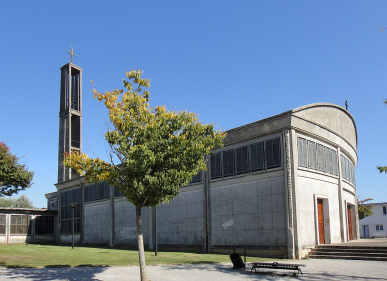
St Eloi Chapel in Hautmont Vandalised with Political Graffiti
May 1, 2025, FranceThe St Eloi Chapel in Hautmont’s Bois-du-Quesnoy district was vandalised over the weekend of May 1, with graffiti reading “FREE GAZA” sprayed on four walls of the façade.
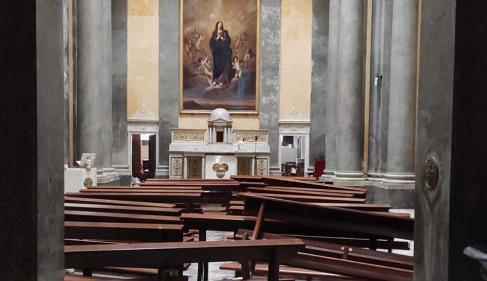
Vandals leave trail of destruction in church
April 30, 2025, ItalyVandals broke into the historic church of Pia Opera Pastore in Alcamo, Sicily, causing extensive damage to sacred art, objects and furnishings. Paintings were defaced, religious objects destroyed and the church left in disarray - an attack condemned by local officials as a serious offence against the community and its cultural and religious heritage.
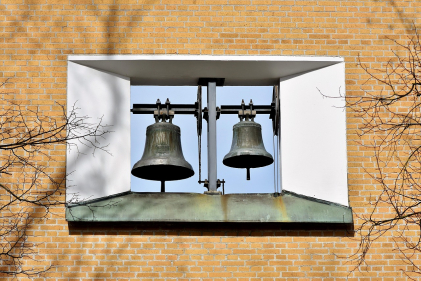
Flottes Church Bells Damaged in Sabotage Act
April 30, 2025, FranceIn Flottes, the bells of Saint-Blaise church were vandalised for the second time in recent weeks, causing them to ring out of tune and resulting in repair costs estimated at €6,000, according to the mayor.
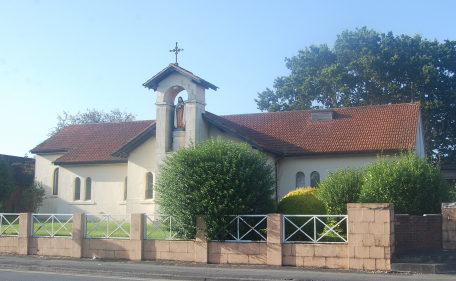
Animal Carcasses Dumped Outside New Forest Churches
April 29, 2025, United KingdomA 47‑year‑old Southampton man pleaded guilty for leaving decapitated animal remains outside multiple Christian churches in a series of acts which have been classified religiously aggravated intentional harassment, alarm, or distress.

Church Volunteer Assaulted Amid Series of Break-Ins in Concesio
April 27, 2025, ItalyA church volunteer was assaulted during an attempted theft inside a church in Concesio, as part of a series of break-ins affecting multiple parish sites. The incidents involved forced entry, damage, and theft from donation boxes, raising concern within the local community.
Consecrated Hosts Stolen from Chapel in Catania
April 25, 2025, ItalyConsecrated hosts were stolen from a chapel in Catania, in an act regarded as desecration in Catholic belief. The incident prompted a call for reparation and prayer across the local archdiocese.
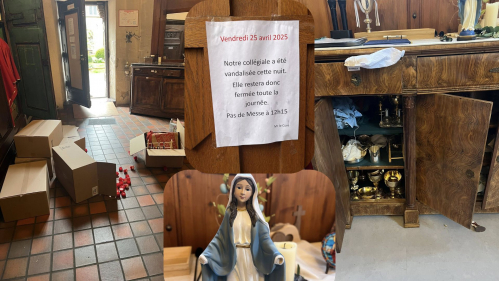
Church in Alsace severely vandalised: €10,000 in damage
April 24, 2025, FranceOn the night of 24 April, the collegiate church of Saint-Martin in Colmar was vandalised by an intruder who climbed through scaffolding, damaged sacred objects and left the church in disarray. Despite spending almost three hours inside and causing over €10,000 in damage, the perpetrator - who was caught on CCTV and reportedly under the influence of drugs - stole nothing. The incident shocked the local community and raised serious concerns about the protection of religious and cultural heritage.

Historic Chapel in Port Talbot Severely Damaged in Suspected Arson
April 24, 2025, United KingdomA historic Calvinistic Methodist Chapel in Port Talbot was severely damaged by a fire suspected to be arson.

Church closes after attacks on parish staff
April 23, 2025, AustriaThe parish of Breitenfeld has had to severely restrict access to its church following repeated violent attacks against parish workers and acts of vandalism. An unknown man attacked a parish secretary, pushing her to the ground and kicking her several times. A few days later, a 74-year-old sexton was similarly attacked, suffering injuries so severe that he had to be hospitalised for several days. Vandalism to the church building was also confirmed. As a result, the church is now only open for mass, and there is a police presence.