All cases
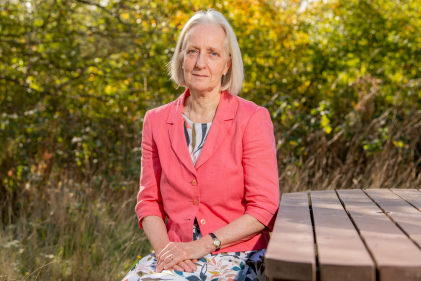
UK Christian Teacher Dismissed after Responding to Pupils, Stating that She Is Pro-Life
October 10, 2026, United KingdomA Christian teacher at Biddick Academy in Sunderland has brought a religious discrimination claim after being dismissed following classroom conversations in which she expressed her pro-life beliefs. Anita Meston says she answered pupils’ questions before redirecting the class to the subject without imposing her views.
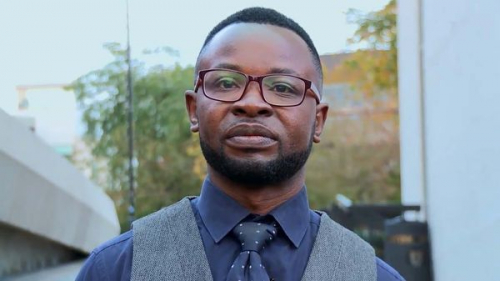
Felix Ngole Addresses Court of Appeal in Religious Discrimination Case
September 28, 2026, United KingdomOn 28 September 2026, Christian social worker Felix Ngole returned to the Court of Appeal in his dispute with a mental health charity that withdrew his job offer after discovering his publicly expressed Christian beliefs. A tribunal has already ruled that the initial withdrawal was religious discrimination, and a further appeal found errors in how his remaining claims were decided. Ngole is now asking the court to rule on those claims without requiring him to repeat part of the case before the same tribunal.
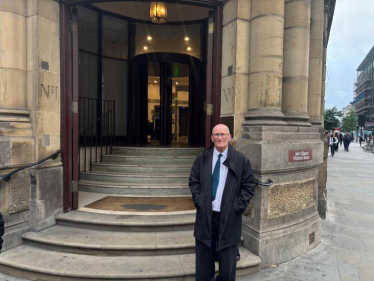
UK Evangelist Acquitted after Prosecution for Sharing Gospel Leaflets in Soho
September 4, 2026, United KingdomOn 4 September 2026, a London court acquitted Christian evangelist Richard Johnson, who had been prosecuted for distributing a Gospel leaflet in Soho. A complainant described the neighbourhood as an LGBT “safe space”, and prosecutors argued that the location mattered when assessing the leaflet. The court found that the prosecution had not proved a public order offence, despite accepting that the leaflet had upset and offended its reader.
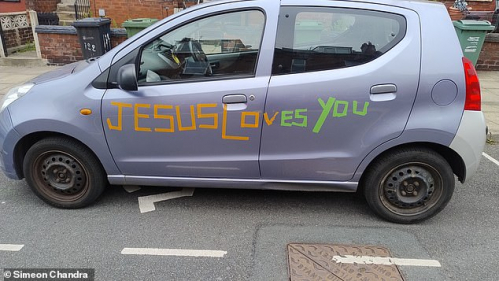
Car insurance Revoked Over ‘Jesus Loves You’ Stickers
August 7, 2026, United KingdomA Christian driver in the United Kingdom was told that his car insurance could not continue unless he removed “Jesus Loves You” messages displayed on his vehicle. The case has raised concerns about whether peaceful expressions of Christian belief can affect access to ordinary commercial services.
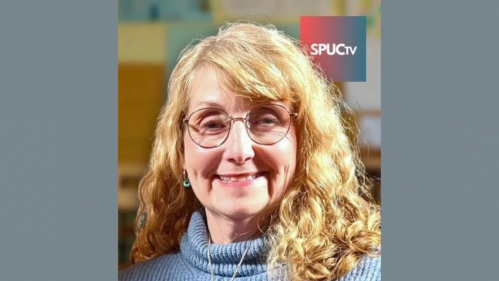
Scottish Teacher Takes Legal Action After Dismissal For Expressing Pro-Life Beliefs
July 30, 2026, United KingdomA Catholic teacher in Scotland has brought an employment tribunal claim after being dismissed for expressing her pro-life beliefs in response to pupils' questions during a classroom discussion. She alleges that her dismissal discriminated against her because of her Catholic beliefs and violated her freedom to express them in the workplace.

NI Police Guidance Warns Carrying a Bible Could Be an Offence Under "Buffer Zone" Law
July 28, 2026, United KingdomNew guidance issued by the Police Service of Northern Ireland (PSNI) has raised concerns that ordinary Christian pastoral ministry could fall within the scope of Northern Ireland's abortion buffer zone legislation. According to the guidance, activities such as praying with patients at their request, reading Scripture or carrying a Bible through certain areas of a hospital may constitute criminal offences if they are considered capable of influencing or causing distress to a person accessing abortion services. Critics argue that the guidance illustrates the far-reaching scope of buffer zone legislation and risks creating a chilling effect on the peaceful exercise of freedom of religion and freedom of expression.
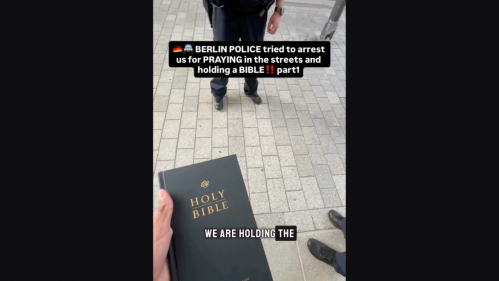
Police Intervention Against Christian Praying and Holing Bible at Brandenburg Gate
July 3, 2026, GermanyA video recorded at Berlin's Brandenburg Gate raises concerns about interference with the right to freely manifest one's religion after police officers told a Christian he could not pray at the site because it was "not a place for praying" and "not a church". Although the Christian was quietly reading from his Bible and praying without using amplification or engaging passers-by, officers treated his conduct as a demonstration because he was publicly holding a Bible. The incident raises questions about the understanding of religious freedom among law enforcement officers and the protection of peaceful religious expression in public spaces.
Draft Bill Raises Concerns about Church Governance and Parental Rights
June 25, 2026, United KingdomThe UK Government has proposed new criminal offences targeting so-called “conversion practices” in England and Wales, carrying sentences of up to five years’ imprisonment. Christian organisations have raised concerns about undefined references to “psychological or emotional pressure” and the absence of explicit exemptions for ordinary parenting, prayer, pastoral care and religious teaching.

Christian Artist Reaches Settlement After Being Restricted from Her Own Exhibition
June 19, 2026, United KingdomOn 19 June 2026, a settlement was announced in Christian artist Victoria Culf’s case against Watford Borough Council. The dispute began after she expressed her beliefs about children and gender transition in a private conversation and was consequently restricted from entering her own exhibition. The council now says she will be welcome at the museum when it reopens and considered for future work.
Christian Pro-Life Volunteers Face Repeated Arrests Near Dutch Abortion Clinics
June 8, 2026, NetherlandsReports published on 8 June 2026 documented repeated arrests and location restrictions affecting volunteers from Kies Leven (Choose Life), a Christian pro-life organisation offering information and support outside abortion clinics in the Netherlands. While authorities have cited municipal regulations, access and public order, an official parliamentary response clarified that one-person actions are protected by freedom of expression and, although municipalities may regulate them, restrictions must not be based on the content of their message.
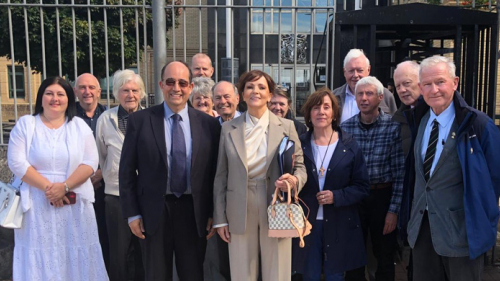
Court Drops Conviction Under Northern Ireland Abortion "Buffer Zone" Law
May 21, 2026, IrelandClaire Brennan, the first person convicted under Northern Ireland’s abortion “safe access zone” legislation for praying and speaking with and offering support to a woman, has had her conviction quashed after the prosecution case collapsed in court.
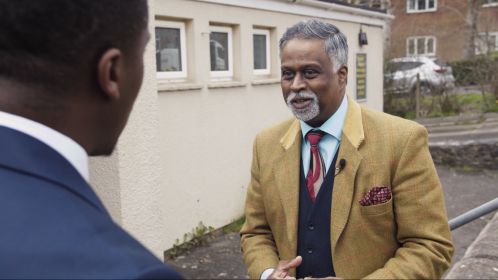
Police drop criminal investigation into street preacher
May 16, 2026, United KingdomAvon and Somerset Police have concluded a criminal investigation into Pastor Dia Moodley, a street preacher arrested in Bristol in November 2025, confirming that no further action will be taken. The decision effectively closes the case, determining that the activity of public street preaching, including comments made about Islam and transgender ideology, did not constitute a criminal offence in this instance. His lawyer and Christian representatives have raised concerns over a pattern of disproportionate police response to his religious expression.
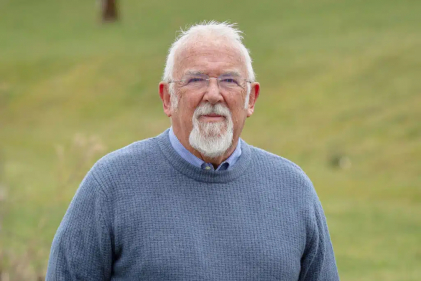
Pastor Convicted Under "Buffer Zone" Law for Open-Air Sermon Near Hospital
May 7, 2026, IrelandRetired pastor Clive Johnston was convicted on 7 May 2026 at Coleraine Magistrates’ Court under the Abortion Services (Safe Access Zones) Act 2023 for conducting an open-air Sunday service within a "buffer zone" outside Causeway Hospital in Coleraine. The sermon did not refer to abortion or contain explicit pro-life messaging, but the court ruled that, given the location and surrounding circumstances, the conduct constituted a criminal offence.
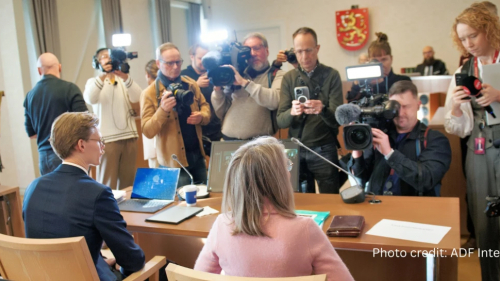
Päivi Räsänen appeals to European Court of Human Rights
May 7, 2026, FinlandFinnish Member of Parliament Päivi Räsänen has appealed to the European Court of Human Rights (ECtHR) after the Finnish Supreme Court convicted her of “agitation against a minority group” over a Christian pamphlet published more than 20 years ago, a case that has become a major free speech dispute in Europe.
Church Appeals Public Order Notice Restricting Street Outreach in Colchester
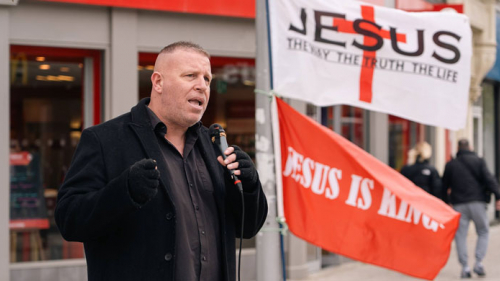
May 1, 2026, United KingdomBread of Life Community Church in Colchester, Essex, is appealing against a Community Protection Notice (CPN) restricting its street outreach. The notice is believed to be an unprecedented use of public-order legislation against an entire church, rather than individual street preachers, and raises concerns as it addresses not only the manner of preaching but also the content of religious messaging.
Charges Dropped Against Christian Woman for Holding Sign in "Buffer Zone" Case
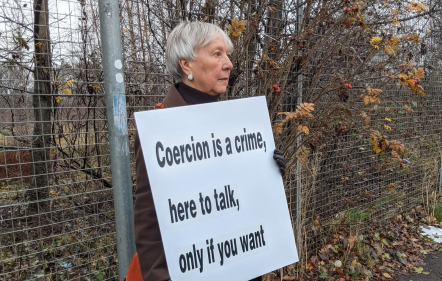
April 27, 2026, United KingdomOn 27 April, Glasgow Sheriff Court dismissed criminal charges against a Christian woman, Rose Docherty, who had been arrested for peacefully offering consensual conversation within a designated “buffer zone”, finding that the prosecution had failed to disclose an offence. However, the case may be reopened if prosecutors present further evidence. Docherty was the first person charged under Scotland’s 2024 “buffer zone” law after standing near a Glasgow hospital with a sign reading: “Coercion is a crime, here to talk, only if you want.”
French Bill Could Restrict Christian Symbols Worn by Local Elected Representatives
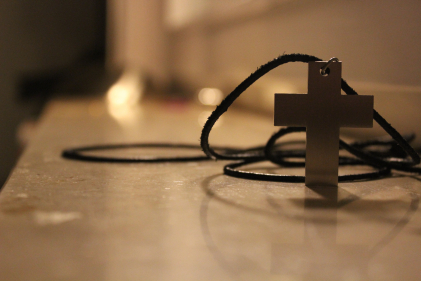
April 19, 2026, FranceOn 9 April 2026, members of the French Senate introduced a bill prohibiting local elected representatives from wearing conspicuous religious symbols while exercising their mandates, with sanctions that could ultimately include removal from office. Although the sponsors focus on Islamic headscarves, the text applies to every religion and could equally prevent members of other religions from wearing visible symbols. The bill raises serious concerns that the neutrality of public institutions is being transformed into a requirement that elected believers remain religiously invisible.

German Christian YouTubers Under Investigation Over Video on Islamist-Related Antisemitism
April 8, 2026, GermanyTwo Christian YouTubers in Hamburg are under investigation following the publication of a video criticising Islamist-related antisemitism in the context of Hamas’ 7 October attack on Israel. The case concerns a video titled “Islam is no peace”, in which the YouTubers commented on anti-Semitic slogans during pro-Palestinian demonstrations and stated that “Anti-Semitism is officially allowed again in Germany”. The investigation has raised concerns about the application of Germany’s blasphemy laws and possible unequal treatment in cases involving criticism of religion.

Supreme Court Acquits MP for Bible Verse Tweet, Convicts Over Church Pamphlet
March 26, 2026, FinlandFinland’s Supreme Court has unanimously acquitted parliamentarian Päivi Räsänen of “hate speech” charges related to a 2019 social media post in which she cited a Bible verse to express her views on marriage and sexual ethics. At the same time, in a narrow 3–2 decision, the Court convicted Räsänen and Lutheran Bishop Juhana Pohjola over the publication of a church pamphlet originally written in 2004.
Catholic Priest Faces Criminal Investigation Over Statements on Church Teaching on Sexuality
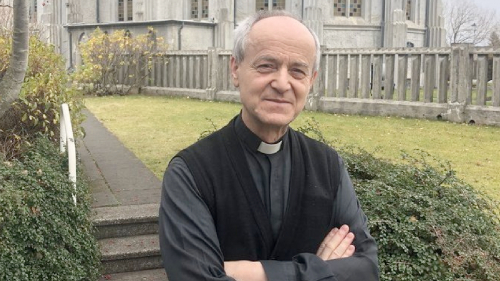
March 20, 2026, IcelandMonsignor Jakob Rolland is facing a potential criminal trial after explaining Catholic teaching on homosexuality in a radio interview and stating that the Church offers spiritual guidance to persons with same-sex attraction who seek it. Following the interview, LGBTIQ advocacy groups launched a campaign calling for legal action, leading to a police examination of the Catholic priest under Iceland’s 2023 ban on “conversion practices”.