All cases

Attempted Arson in Notre-Dame Cathedral in Die under Investigation
October 8, 2026, FranceOn 8 October 2026, a 19-year-old man was arrested after allegedly attempting to start a fire inside Notre-Dame Cathedral in Die. The suspect was placed in police custody on suspicion of attempted damage by fire after he was caught with matches and at least one candle in the middle of the Cathedral.
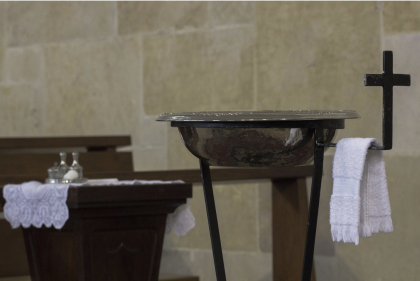
Holy Water Font Smeared with Excrement at Düsseldorf Church
October 6, 2026, GermanyAt the Catholic Church of Our Lady in Flingen-Düsseldorf, the holy water font was reportedly smeared with excrement amid repeated incidents of disorder and vandalism in the church entrance area. In response, the parish has decided to close the church outside of religious services, restricting access to the community.

Adolescents Film Profanation Inside Saint-Hilaire Church
October 4, 2026, FranceNine adolescents reportedly filmed themselves inside the Church of Saint-Hilaire in Soullans, singing and dancing to a rap song containing references to glorifying a terrorist attack which took place in 2015. The video further showed disrespectful and disorderly behaviour around the altar of the church, as well as some minor damage including overturned objects and burn marks on benches. The incident has prompted judicial investigation for an alleged glorification of terrorism inside a Christian place of worship.
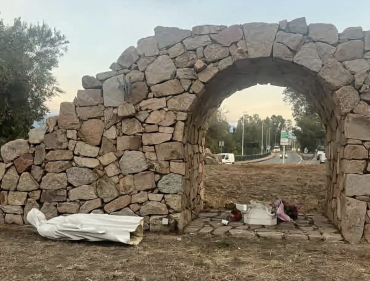
Virgin Mary Statue Desecrated in Attack in Porto-Vecchio
October 1, 2026, FranceDuring the night of 30 September to 1 October, a statue of the Virgin Mary at a public street in Porto-Vecchio, Corsica, was deliberately pulled from its pedestal and destroyed while perpetrators filmed the incident. The statue, known as 'A Vergine Maria', is a place of devotion for local residents. The Catholic Church of Corsica has expressed support for the parish community and called on the faithful to pray for the conversion of those responsible.

Christ Figure Found Destroyed in Grainau
September 30, 2026, GermanyIn late September 2026, an approximately 120-year-old wooden figure of Christ at the Baschner Cross near the Jägersteig in Grainau was found torn down from the cross and smashed into pieces. The incident has shocked local residents, as this was the second reported attack on the figure, and it will now be repaired for the second time. The parish priest has called for forgiveness in the matter, though still affirmed that such an incident affects the local community and not only Christians.

Man Damages Church Altar and Votive Shrine
September 23, 2026, ItalyOn 23 September, a man entered the historic Church of San Rocco in the Castellone district of Formia and allegedly caused extensive damage to the interior of the building. He reportedly used a chair to damage the altar and knock down statues of saints, before also damaging a Marian votive shrine nearby. During his arrest, several police officers were reportedly injured. While the parish priest was reportedly calm following the incident, it has nonetheless shaken the community of Castellone.
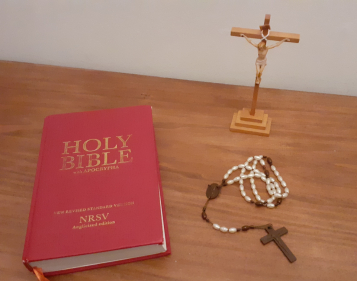
Cross and vestments vandalised in Grein church
September 22, 2026, AustriaOn 22 September, unknown perpetrators vandalised the Stadtpfarrkirche in Grein, scattering items from the confessional, prayer books, devotional images of saints and seat cushions throughout the church. The baptismal font was damaged, while a broken cross and two of the priest’s stoles were placed in the holy-water basin.
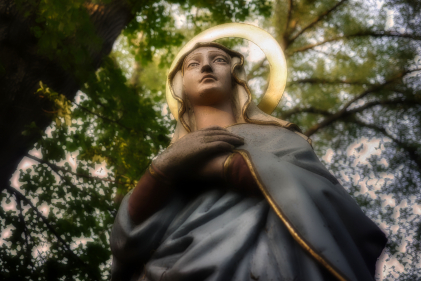
Multiple Marian Shrines Vandalised in Radom
September 22, 2026, PolandBetween 1 and 22 September 2026, a 34-year-old man allegedly damaged numerous roadside shrines and religious figures in Radom by defacing them with paint and damaging the religious statues. Reportedly vandalising up to ten historic chapels with images of the Virgin Mary, the suspect, after confessing to the vandalism, had 12 charges brought against him for the destruction of the figures. The local parish priest described the acts of vandalism as a blasphemy against God and the local community of believers.
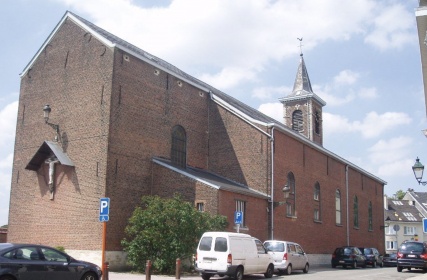
Church near Brussels closes due to slew of vandalism
September 19, 2026, BelgiumAccording to a report from 19 September, St. Anne's Church in Auderghem has decided to close its doors and cease services after repeated acts of vandalism. The church council made the decision due to the incessant attacks on the historic building over the spring and summer of 2026. The measure is very shocking to the community, who relied on the church as an accessible and open place of worship.

Attack on Catholic Clinic in Flensburg
September 17, 2026, GermanyAccording to a report from 17 September, a Catholic clinic in Flensburg has been targeted in an attack by unknown protesters who have smeared the entrance of the hospital with a pro-abortionist inscription, as well as vandalising an information board. The perpetrators also left hangers at the entrance, which is used as a political symbol by pro-abortionists. The report identifies all the actions as directly targeting the attitude of the Catholic hospital, since it no longer performed abortion procedures.
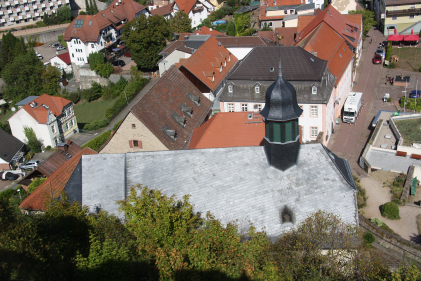
Lindenfels Catholic Church closed after repeated vandalism
September 15, 2026, GermanyIn September, the Catholic Church of Saints Peter and Paul in Lindenfels was the target of repeated acts of vandalism, forcing it to close its doors outside of Mass and other services in order to protect the building. Consequently, the community's access to this place of worship a has been limited.
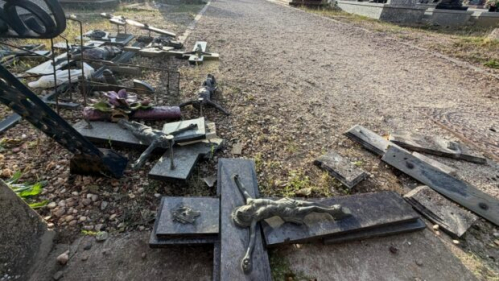
Crosses broken and Catholic graves targeted at Moselle cemetery
September 15, 2026, FranceAn unprecedented act of vandalism occurred on the night of 14 to 15 September, where a woman vandalised almost 100 gravestones in Maizières-lès-Metz Cemetery in Moselle. Gravestones were defaced, with countless crosses and crucifixes found broken and tossed onto the surrounding property. Police are investigating whether the gravestones of Catholics were specifically targeted on the basis of religion. The local community, officials, and diocese expressed deep sadness and outrage at what they believed to be a direct attack on the respect due to the dead, a religious site, and communal unity. On 25 September, the Diocese of Metz organised a time of prayer for all the deceased whose graves were desecrated.
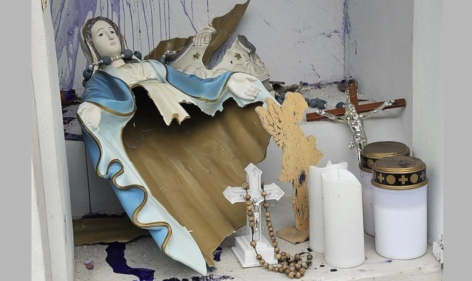
Vandals smash statue of Virgin Mary at historic chapel
September 14, 2026, PolandA report from 15 September described two incidents of vandalism targeting the same historical chapel at the intersection of a public street. The unknown perpetrators smashed and poured paint over a statue of the Virgin Mary, damaging the pedestal, the interior of the nice, and the glass. Local residents and the parish priest were left shocked by the incident, which they described as a clear act of blasphemy.

Vandals Cement Church Locks, Disrupting Memorial Mass
September 7, 2026, BelgiumOn 6 September 2026, around 100 Catholics were prevented from entering St Lambert's Church in Hoogstade, Belgium, after unknown perpetrators filled the church's door locks with cement. The vandalism forced the priest to hold a shortened memorial Mass outdoors, without Communion, disrupting a service commemorating deceased family members. Police opened an investigation into the incident.

Greek Catholic Parish targeted with arson and anti-Ukrainian graffiti
September 5, 2026, PolandOn 5 September, unknown individuals set fire to vegetation on the grounds of the Ukrainian Greek Catholic Parish in Legnica, damaging part of the property. At approximately the same time, anti-Ukrainian inscriptions were also reported nearby, prompting the Ukrainian Consulate to ask authorities to investigate the motivations behind the incidents, and emphasising that attacks on Ukrainians, religious groups, and places of worship are unacceptable. The incident, which is not the first to target the Ukrainian Catholic community, caused significant emotional distress to the community.
Priest appeals for help as crucifix is defaced
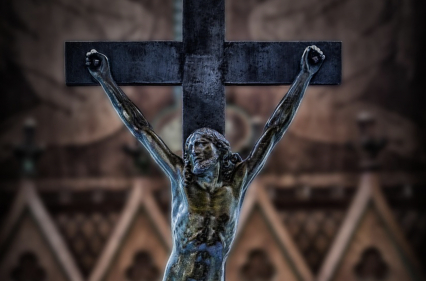
September 2, 2026, ItalyAs reported on 2 September, the crucifix in the Church of the Nativity of San Giovanni Battista in Mezzolombardo was recently defaced. The parish priest announced the defacement which caused bitterness in the community, and appealed for the creation of a new crucifix as a sign of unity.
Crucifix in the Chapel of Santa Croce broken to pieces
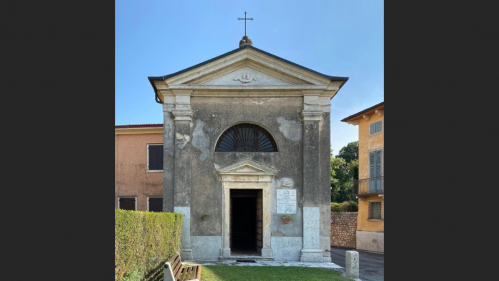
September 1, 2026, ItalyOn 1 September, the Chapel of Santa Croce al Piano in Colognola ai Colli was subjected to a serious act of vandalism that caused damage to furnishings, religious images, and sacred art; most notably to a crucifix which was found smashed. A man was detained in connection with the serious incident, which affected a place of worship particularly dear to the local community, arousing "indignation" over the acts.
Vandalism and Harassment of the faithful Leads to Church Closure
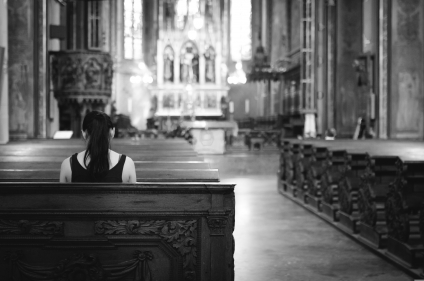
September 1, 2026, ItalyAccording to reports from 1 September, a group of young people repeatedly caused disturbances at the church in Lunetta, including entering the building and blaspheming at the faithful who were praying; littering and causing damage to the churchyard. The parish responded by closing the church during the mornings until the reopening of schools, citing the need to protect the faithful and prevent further vandalism.

Two suspected arson attempts at Saint-Martin Church
September 1, 2026, FranceAccording to reports from 1 September, two fires were deliberately started inside the Saint-Martin Church in Templeuve-en-Pévèle, Nord on 31 August. The fires caused only minor damage, according to the available reporting, but the circumstances indicate a deliberate arson attempt targeting of the church. A social media post described the incident as an attack on a place of worship that insults the common identity and history of the community.
Vandals tear Christ figure off tabernacle in church vandalism
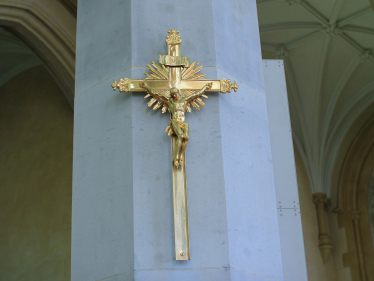
August 30, 2026, GermanyOn 30 August, St. George's Church in Reichmannshausen was vandalised. The church's religious symbols were targeted, with a figure of Christ torn from the tabernacle, a crucifix destroyed, along with the oil from several candles being spilled in the church.