Spanish Government Reports Catholic Bishop to Prosecutors over Homily on Disability
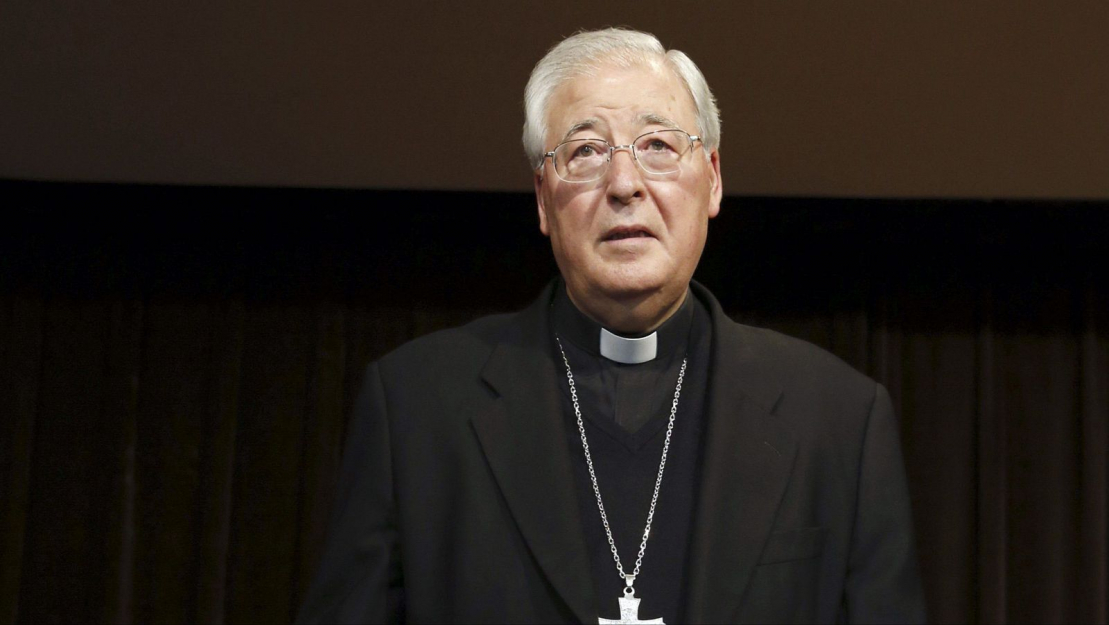
On 20 May 2025, Spain’s Ministry of Social Rights reported Bishop Emeritus Juan Antonio Reig Pla to prosecutors over remarks about disability made during a homily nine days earlier, in which he talked about the dignity of persons with disability and tracing the origins of illness and disability to fallen nature. The bishop had apologised to a disability organisation and explained that he was referring to Catholic teaching on original sin and human suffering. The Ministry nevertheless asked prosecutors to consider whether his words constituted a criminal offence.
On 20 May 2025, the Ministerio de Derechos Sociales, Consumo y Agenda 2030 (Ministry of Social Rights, Consumer Affairs and the 2030 Agenda) reported Bishop Emeritus Juan Antonio Reig Pla to the State Prosecutor’s Office over remarks made during a homily on 11 May at the Basilica of the Annunciation in Alba de Tormes. The Ministry asked prosecutors to examine whether the remarks could fall under Article 510.2 (on hate speech) of the Spanish Criminal Code. It also sought an explanation from the Spanish Episcopal Conference and submitted a complaint to the Ombudsman.
Speaking about the origin and dignity of every human life, Reig Pla told the congregation that “no person is a failure”, including children born with physical, intellectual or psychological disabilities, and then described their condition as an “inheritance of original sin and of the disorder of nature”. He went on to say that they, like everyone else, had been called by God and found the foundation of their existence in Him. The reference to sin caused distress among disability organisations, which objected to language they considered stigmatising.
Before the Ministry filed its complaint, Reig Pla had spoken with Plena inclusión Castilla y León (Full Inclusion Castile and León) and apologised for the offence caused. In a statement dated 20 May, he explained that he had intended to express God’s love for all people, particularly those who suffer because of a disability. He cited the Catechism of the Catholic Church, paragraph 418, on original sin and the suffering experienced by humanity, alongside passages addressing illness and human vulnerability. His explanation concerned the human condition generally and did not attribute personal wrongdoing to people with disabilities.
The Ministry nevertheless characterised the homily as a possible criminal matter and asked the Prosecutor’s Office to open inquiries. This took the dispute beyond public criticism of a bishop’s words and into the criminal process, despite his apology and clarification. The public information available does not establish that prosecutors have brought charges or reached a public decision on the complaint as of the present date.
Source: Europa Press, RTVE, Servimedia
Image: RTVE