Christian Care Institutions in Zurich Canton Forced to Facilitate Assisted Suicide
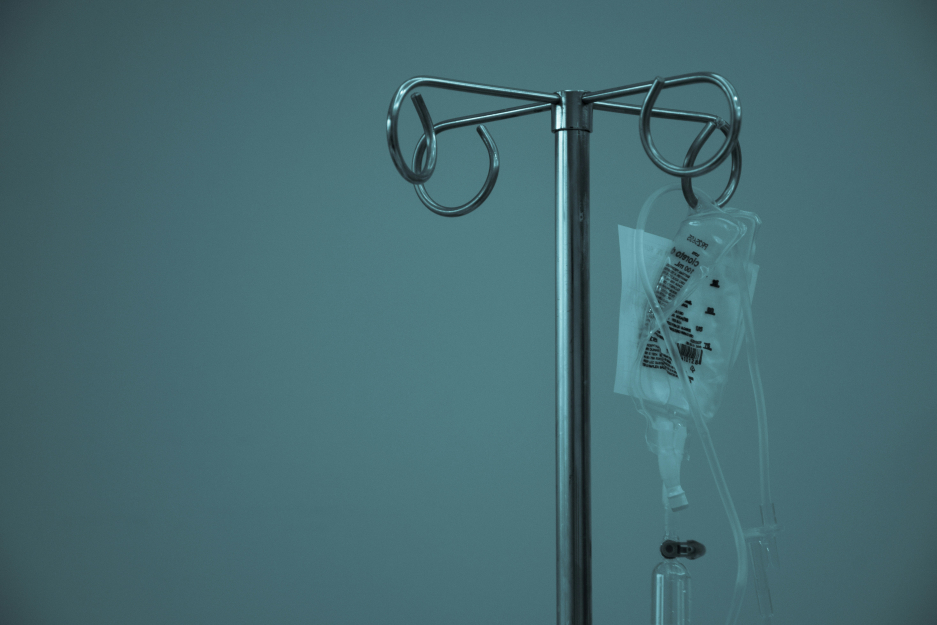
On 27 September 2026, voters in Zurich canton approved a requirement forcing hospitals and care homes, including Christian institutions, to facilitate assisted suicide on their premises despite their conscientious objections. Implementation is expected in spring 2027. According to PRO, nearly 30 private Christian homes that currently reject the practice will be affected.
Voters in Zurich canton approved changes to the Patientinnen- und Patientengesetz (Patients Act) and Gesundheitsgesetz (Health Act) requiring hospitals and care homes to make assisted suicide possible within their facilities. The proposal received 68.1% of the vote on 27 September 2026. Christian institutions will be bound by the requirement despite their conscientious objections. According to PRO, implementation is expected in spring 2027.
Previously, hospitals and private care homes outside the existing municipal requirement could decide whether to refuse assisted suicide. PRO, citing SRF, reported that nearly 30 private Christian homes rejecting the practice would be affected. The change also removes a choice for residents: care-home director and cantonal parliamentarian Markus Schaaf told SRF that people would no longer be able to choose between an institution that admits assisted suicide and one that refuses it.
One of the Christian institutions affected by the amendment is Haus St. Otmar, a care home with Catholic roots and close links to Zurich’s St. Anton parish. In an interview published by kath.ch on 18 September, director Daniel Milli explained that its mission was “to accompany people until the natural end of their lives”. He said deliberately contributing to ending a life contradicted that mission. Residents and their families were informed before admission that assisted suicide was not permitted on its premises. Milli warned that the new requirement would create a fundamental conflict with the home’s Christian ethos and argued that its freedom of conscience must also be respected.
Milli also insisted that external doctors and assisted-suicide organisations should take full responsibility for the procedure, and that the home’s employees must not be forced to help directly or indirectly. Even though individual employees remain protected from personally performing the procedure on grounds of conscientious objection, this does not preserve the Christian institution’s ability to refuse it within its own facilities.
The Catholic hospital and clinical chaplaincy addressed this concern in its position paper of 3 July 2026. It explained that, even when individual participation remains voluntary, assisted suicide affects the wider team through the use of rooms, coordination, communication and the handling of the death afterwards. The chaplains reported situations in which employees’ personal convictions conflicted with professional duties and institutional expectations, causing “moral distress”. They specifically asked how employees’ freedom of conscience would be protected, including that of trainees.
The paper also questioned how introducing assisted suicide would change hospitals’ mission to relieve suffering, provide care and protect life, including when recovery is no longer possible. It warned that providing both life-supporting and life-ending services within the same institution could affect patients’ trust. Zurich’s cantonal government likewise opposed extending the requirement to hospitals and rehabilitation clinics, arguing that its consequences for operations and staff would go beyond simply providing a room.
Following the vote, Bishop Joseph Maria Bonnemain of Chur reiterated his opposition in a statement issued on 27 September. He warned that people who feel dependent or burdensome could come to believe that their death would benefit others, and called for palliative care, companionship and psychological and pastoral support. For Christian care institutions, the reform removes an existing choice grounded in conscience: they will have to facilitate assisted suicide on their premises despite their commitment to accompanying people until natural death.
Source: PRO, SRF, kath.ch, Catholic Chaplaincy Position Paper — PDF, Canton of Zurich, Diocese of Chur
Image: Marcelo Leal on Unsplash