All cases
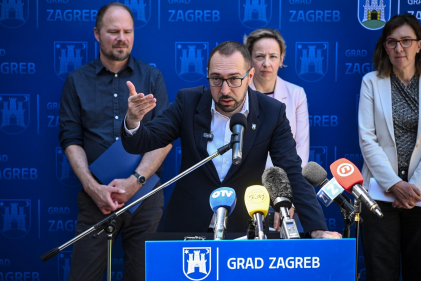
Zagreb Reported for Religious Discrimination After Preventing Red Wednesday Commemoration
July 9, 2026, CroatiaOn 9 July 2026, the Croatian Protestant Conference reported the City of Zagreb to the Ombudswoman for religious discrimination after the authorities’ prolonged failure to decide on its request to commemorate persecuted Christians through a Red Wednesday projection on the Zagreb fountains. The city remained silent even after a national ministry ordered it to issue a decision within 15 days, forcing the organisers to cancel the event. A subsequent parking decision obstructing the entrance to the Conference’s office and a Protestant place of worship raised further concerns about the city’s treatment of the Christian organisation.
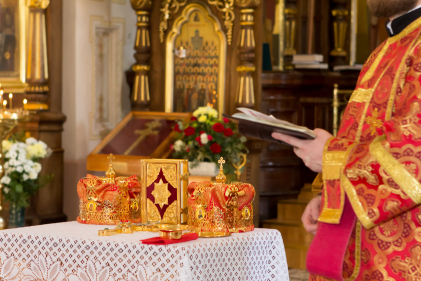
ECtHR Condemns Türkiye for Removing Greek Orthodox Priests from Minority Foundations
May 26, 2026, TurkeyThe European Court of Human Rights ruled that Türkiye violated the rights of two Greek Orthodox priests who had been removed from the governing boards of minority foundations in Istanbul solely because they were members of the clergy. The Court found that the authorities lacked a legal basis for excluding the priests from the management of institutions belonging to the Greek Orthodox community, violating their freedom of association interpreted in light of freedom of religion. The judgment represents an important affirmation of the right of religious minorities to govern their own institutions without undue state interference.
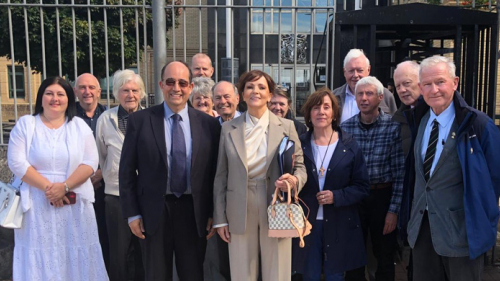
Court Drops Conviction Under Northern Ireland Abortion "Buffer Zone" Law
May 21, 2026, IrelandClaire Brennan, the first person convicted under Northern Ireland’s abortion “safe access zone” legislation for praying and speaking with and offering support to a woman, has had her conviction quashed after the prosecution case collapsed in court.
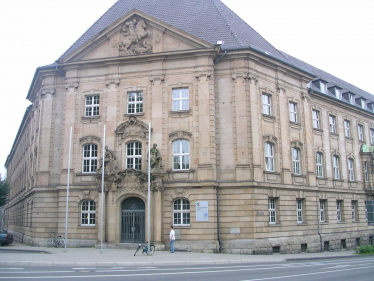
Aachen Court: Police Order Banning Pro-life Prayer Gatherings Near Abortion Facility Are Illegal
March 18, 2026, GermanyThe Administrative Court of Aachen has ruled in favour of a pro-life association, finding that a police order prohibiting its monthly prayer gatherings within 100 metres of a gynaecological practice in Aachen was unlawful. The ruling found that no blanked "buffer zones" could be established under the law and that gatherings remain protected under freedom of expression and assembly as long as they do not obstruct or directly harass patients.
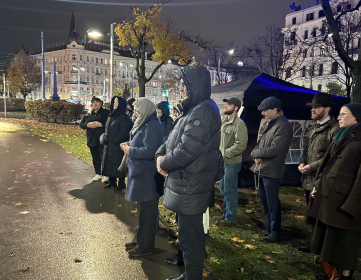
Vienna Court: Prayer Vigil Outside Abortion Facilities Permitted
January 23, 2026, AustriaIn January 2026, the Vienna Administrative Court ruled that a peaceful prayer vigil held in the proximity of an abortion facility in Vienna falls within the scope of the constitutionally protected freedom of assembly. The decision overturned an earlier prohibition issued by the Vienna police authorities.
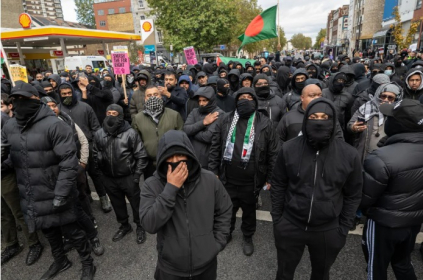
UK Police Ban Christian March Over Fear of Muslim Community Reaction
January 23, 2026, United KingdomThe Metropolitan Police blocked a UK Independence Party “Walk With Jesus” march scheduled for 31 January in Whitechapel, east London, citing fears it would provoke a hostile reaction from the local Muslim community and lead to “serious violence and disorder.”
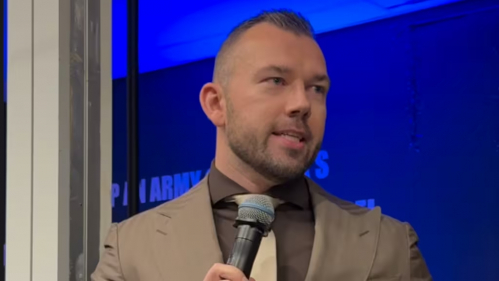
Police Enter Church and Stop Worship Service Over “Event Permit” Dispute
January 9, 2026, NetherlandsOn 9 January 2026, police entered a church building in Tilburg and interrupted an ongoing faith-healing and worship service led by Dutch evangelist Tom de Wal, after the acting mayor prohibited the gathering on the grounds that it constituted an “event” for which no permit had been granted. The service had been relocated from Eindhoven following announced protests by LGBTIQ+ advocacy groups, which opposed De Wal's religious activity. De Wal proceeded with the religious gathering despite the prohibition and was later arrested outside the church and cited for violating a municipal ordinance.
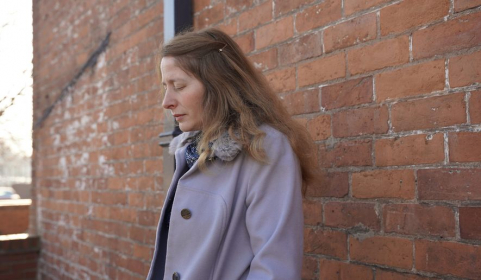
UPDATE: Woman criminally charged for silent prayer
December 17, 2025, United KingdomBritish charitable volunteer Isabel Vaughan-Spruce has been criminally charged in Birmingham under the UK’s new national abortion “buffer zone” law for silently praying near an abortion facility, with her trial scheduled for 29 January 2026. This is the first known prosecution under the Public Order Act 2023, highlighting tensions between public-order regulations and freedom of conscience.
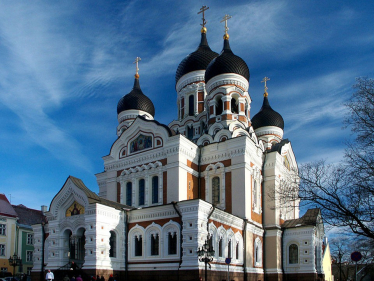
Estonia’s Actions Threaten Religious Freedom, Warn UN Experts
December 15, 2025, EstoniaUN human rights experts have raised alarm over legislative and administrative measures in Estonia that target the Estonian Orthodox Christian Church (EOCC). They warned that these actions—ranging from legal amendments to restrictive treatment of clergy—could disproportionately limit religious freedom.
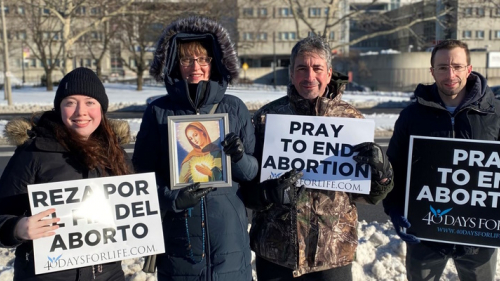
Prayer Outside Abortion Clinic Protected by Law, Spanish Court Rules
December 9, 2025, SpainA criminal court in Vitoria, Basque Country, has acquitted 21 pro‑life volunteers accused of harassment for praying peacefully outside an abortion clinic, ruling that they had “done nothing more than exercise their free right of assembly” and behaved in an “exquisitely peaceful manner.” The court found no evidence of intimidating conduct under the penal code’s anti‑harassment provision.
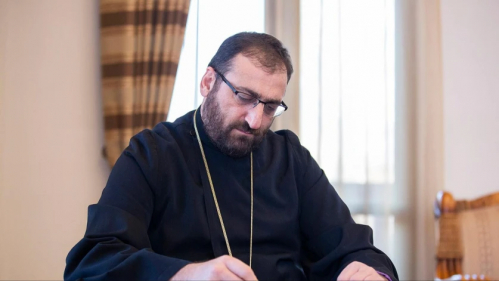
Armenia’s Clergy Under Arrest as Government Pushes Church Reform
December 8, 2025, ArmeniaSince June 2025, Armenian authorities have arrested senior clerics and other clergy of the Armenian Apostolic Church on charges ranging from coup plotting to drug‑related offences, actions that human rights advocates call unlawful detentions. Amid this escalation, Armenian Prime Minister Nikol Pashinyan has unveiled a new Code of Regulations for the Armenian Apostolic Church, despite having no formal authority within its structure.
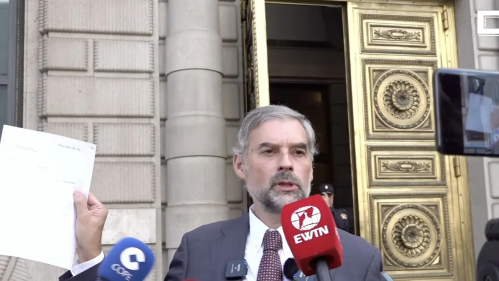
Spanish parliamentary forum on catholic faith canceled without notice
October 13, 2025, SpainA forum on the contribution of the Catholic faith to Spanish society and European integration organised by the Enraizados Foundation at the Spanish Lower Chamber, scheduled for October 13, was canceled without notice to the organisation involved. A few days before the event, the organisers were informed through media outlets that left-wing political parties had voted to cancel the meeting, citing vague concerns about alleged “fascist” content and religious claims, raising concerns over ideological discrimination.
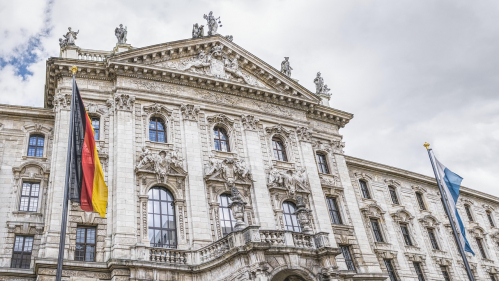
Bavarian Court Upholds Right to Peaceful Prayer in Public
September 23, 2025, GermanyIn a landmark decision, the Bavarian Higher Administrative Court has ruled that there is no general 100-metre exclusion zone (“Bannmeile”) around medical practices that could prohibit peaceful prayer or assembly. The court rejected a ban of the city of Regensburg against a prayer gathering of a Christian group near an abortion facility, arguing that there was no evidence whatsoever that the group’s behaviour had caused any form of harassment or intimidation.
New Law on Religious Leadership Risks Criminalising Religious Practice
June 18, 2025, RomaniaIn June 2025, the Romanian Parliament adopted a legislative amendment to the country’s Law on Religious Communities, criminalising the “unauthorised exercise” of clerical or priestly functions. The new provision effectively grants the state and officially recognised religious denominations exclusive authority to determine who may lead religious communities. The amendment raises serious concerns regarding the protection of religious freedom.
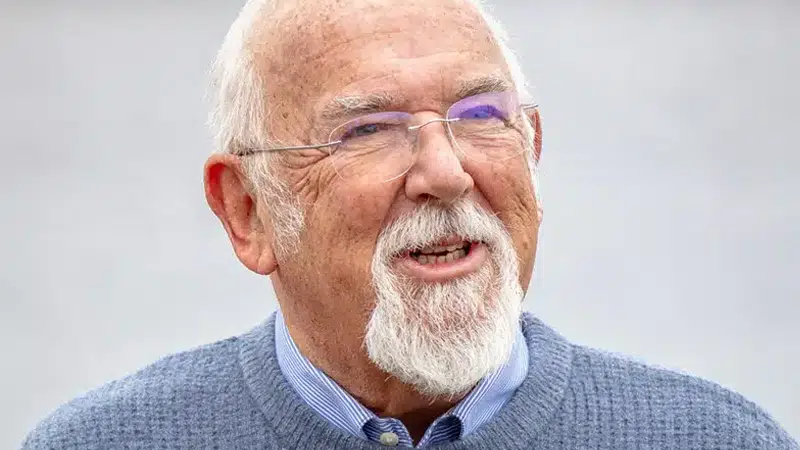
Retired pastor faces trial for public worship service near abortion clinic
March 21, 2025, United KingdomClive Johnston, a retired pastor in Northern Ireland is facing trial for holding an open-air Christian service near an abortion clinic, raising serious concerns about the impact of so-called ‘buffer zone’ laws on religious freedom and freedom of expression.
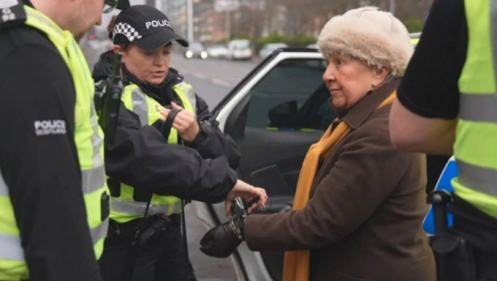
Christian prayer leader first charged under Scotland's buffer zone law
February 19, 2025, United KingdomRose Docherty, a 74-year-old Christian and leader of the pro-life prayer group "40 Days for Life", has become the first person to be arrested under Scotland's new abortion 'buffer zone' law for holding a silent vigil near a Glasgow hospital. The law, which criminalises any attempt to 'influence' abortion decisions within 200 metres of a facility, raises fundamental rights concerns. Pro-life groups plan to hold upcoming prayer vigils only outside the buffer zones, but politicians are already pushing for further extensions of the zones.
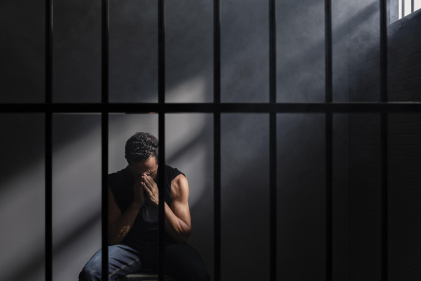
"Low-status" prisoners in Belarus banned from religious practice
January 16, 2025, BelarusIn a growing assault on religious freedom, several prisoners in Belarus are being denied any contact with religious services or members of the clergy because they are considered 'low status'. The ban even prevents them from possessing religious literature or devotional objects.
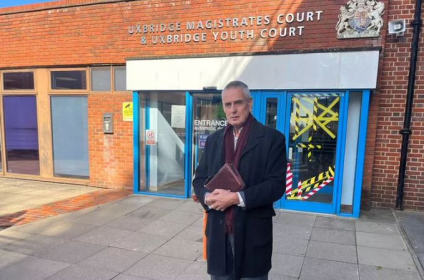
UPDATE: £7,500 PROSECUTION COSTS FOR HOLDING BIBLE VERSE SIGN
January 15, 2025, United KingdomOn 15 January 2025, the Crown Court rejected Stephen Green's appeals and confirmed his guilty verdict. The Christian preacher will now have to pay more than £7,500 in fines and prosecution costs for silently holding a Bible verse.
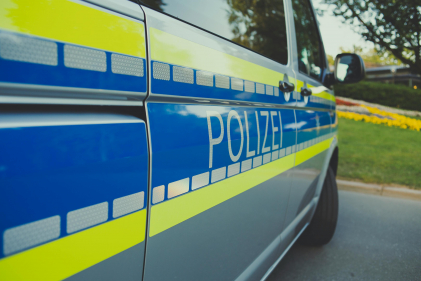
Pastor and Christian community offered protection by police
December 12, 2024, GermanyProtestant pastor Ralf Sedlak has been the target of several threats and attacks following a sermon criticising the Hamas attack on Israel in October. The police are now being called in to protect him and his family, as well as to provide security for church services as all members of the congregation face hostility.
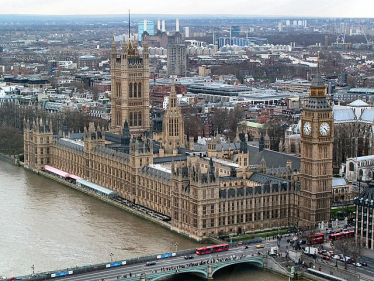
New UK Buffer Zone Bill restricts silent prayer near abortion clinics
October 31, 2024, United KingdomOn 31 October 2024, Section 9 of the Public Order Act 2023 (POA) came into force, introducing new restrictions on freedom of expression and religion within the so-called 'buffer zones' around abortion clinics in England and Wales.