All cases
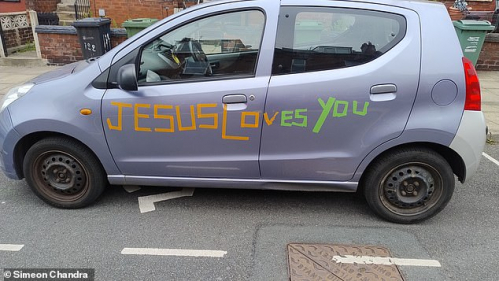
Car insurance Revoked Over ‘Jesus Loves You’ Stickers
August 7, 2026, United KingdomA Christian driver in the United Kingdom was told that his car insurance could not continue unless he removed “Jesus Loves You” messages displayed on his vehicle. The case has raised concerns about whether peaceful expressions of Christian belief can affect access to ordinary commercial services.
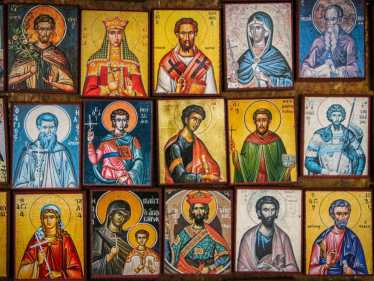
Call to Remove Religious Symbols Hits European Court
July 28, 2026, GreeceIn July 2025, the European Court of Human Rights (ECtHR) communicated Union of Atheists v. Greece (Application No. 001-244533), a case seeking the removal of Christian icons from Greek courtrooms. The application reflects a broader attempt to eliminate longstanding religious symbols from public institutions across Europe, raising concerns about whether state neutrality is increasingly interpreted as requiring the erasure of religious heritage from public life.

NI Police Guidance Warns Carrying a Bible Could Be an Offence Under "Buffer Zone" Law
July 28, 2026, United KingdomNew guidance issued by the Police Service of Northern Ireland (PSNI) has raised concerns that ordinary Christian pastoral ministry could fall within the scope of Northern Ireland's abortion buffer zone legislation. According to the guidance, activities such as praying with patients at their request, reading Scripture or carrying a Bible through certain areas of a hospital may constitute criminal offences if they are considered capable of influencing or causing distress to a person accessing abortion services. Critics argue that the guidance illustrates the far-reaching scope of buffer zone legislation and risks creating a chilling effect on the peaceful exercise of freedom of religion and freedom of expression.

Swiss Evangelical Leaders Challenge Geneva's Ban on Religious Symbols for Elected Representatives
July 17, 2026, SwitzerlandThree Swiss evangelical leaders have filed a legal challenge against a constitutional amendment in the Canton of Geneva prohibiting elected representatives from wearing visible religious symbols while carrying out their official duties. The applicants argue that the measure violates freedom of religion and undermines democratic representation by requiring parliamentarians to conceal their religious identity.
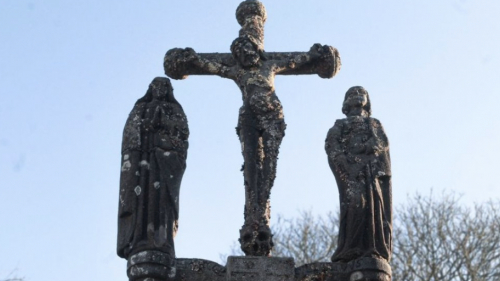
French court orders removal of restored calvary cross from public land
July 15, 2026, FranceAccording to reports from 16 July, the Rennes Administrative Court has ordered the municipality of Saint-Divy in Brittany to remove a restored replica of the historic centuries-old Kerdalaès Calvary cross from public land, ruling that its installation violated the French secularism laws of 1905. Its removal affects a site of longstanding significance for the local Christian community, and raises concerns about the reconstruction of religious symbols.
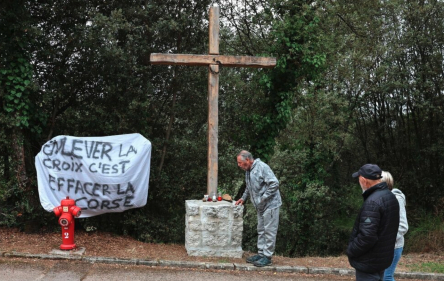
Marseille Appeal Court Upholds Removal Order of Village Cross in Quasquara
June 26, 2026, FranceOn 26 June 2026, the Administrative Court of Appeal of Marseille upheld a ruling requiring the removal of a cross erected by the municipality of Quasquara in 2022. The court found that the cross, installed on municipal land, violated French secularism laws of 1905 governing the display of religious symbols on public property. The decision concerns a Christian monument that local authorities and residents had defended as part of the village's heritage and identity.
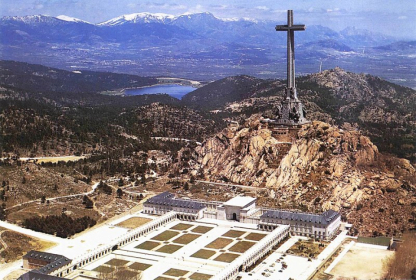
Spanish Government's Latest Move Against the Valley of the Fallen Halted by Court
June 16, 2026, SpainA Madrid court has suspended drilling works linked to the government's controversial plans for the Valley of the Fallen, a Catholic monument built after the Spanish Civil War as a place of worship, remembrance and reconciliation, ruling that the intervention appears to have begun without the required permits.
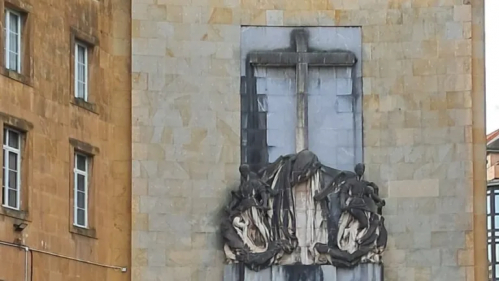
Government Orders Removal of Cross Monument from Jesuit School Façade
May 5, 2026, SpainThe Government of Asturias has ordered the removal of a cross monument from the façade of the Jesuit Colegio La Inmaculada in Gijón after formally including it in the newly established Catalogue of “Symbols and Elements Contrary to Democratic Memory”. The owners have been given four months to remove the cross. If they fail to comply, the regional government has announced that it will carry out the removal itself and recover the associated costs.
French Bill Could Restrict Christian Symbols Worn by Local Elected Representatives
April 19, 2026, FranceOn 9 April 2026, members of the French Senate introduced a bill prohibiting local elected representatives from wearing conspicuous religious symbols while exercising their mandates, with sanctions that could ultimately include removal from office. Although the sponsors focus on Islamic headscarves, the text applies to every religion and could equally prevent members of other religions from wearing visible symbols. The bill raises serious concerns that the neutrality of public institutions is being transformed into a requirement that elected believers remain religiously invisible.
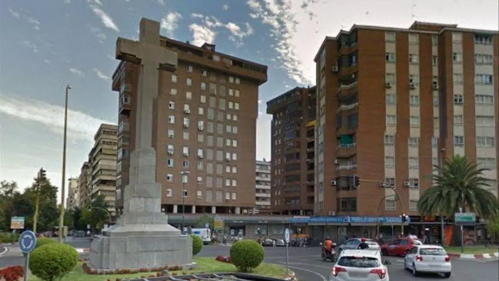
Government orders removal of Cáceres Cross following inclusion in Francoist symbols catalogue
April 17, 2026, SpainSpain’s Ministry has ordered the removal of the Cross of the Fallen in Cáceres after classifying it as a symbol contrary to "democratic memory". The decision, described by the Government as necessary due to the monument’s Francoist political origin. However, the local community strongly opposes the removal with the mayor stating that “the people of Cáceres see it as part of our city”.

Court Orders Removal of Hilltop Cross in Robion
February 16, 2026, FranceIn February 2026, the Administrative Court of Nîmes ordered the mayor of Robion to remove a wooden cross located on a hill overlooking the village, ruling that it had been installed after the 1905 law on the separation of Church and State.

France’s Catholic Schools Under Abusive State Scrutiny
December 8, 2025, FranceBased on a report, Catholic schools in France are facing state inspections criticised as abusive and humiliating. Teachers reported unannounced classroom visits, students being questioned about their faith, and pressure to remove Christian symbols, all of which undermine the schools’ Catholic identity. Catholic education authorities warn that these practices violate both educator dignity and parents’ right to provide religious education.
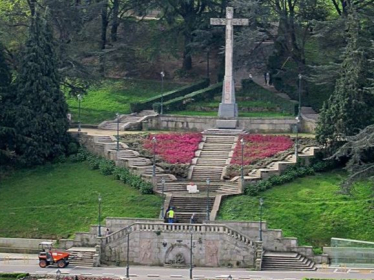
Renewed Push to Remove Vigo Cross Despite Earlier Court Ruling on Its Resignification
December 1, 2025, SpainIn December 2025, the Galician nationalist party BNG called on the Spanish Government to include the monumental Cross of O Castro in Vigo in the newly established national Catalogue of “Symbols and Elements Contrary to Democratic Memory”, which could lead to its removal. The initiative comes despite a 2015 ruling by the High Court of Justice of Galicia (TSXG), which held that, after political had been removed, the cross no longer constituted an exaltation of the Civil War or Franco dictatorship and could be regarded in its present context as a religious and commemorative monument.
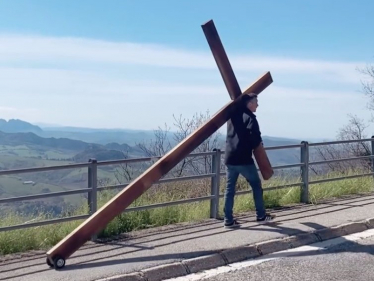
Monaco Bars Swiss Evangelist Over Public Cross
November 27, 2025, MonacoSwiss evangelist Stephan Maag, known for walking across Europe with a 40 kg cross to speak about his faith, was detained by police in Monaco, placed in a cell and expelled from the state. Authorities told him that public religious expression was “only allowed inside buildings, but not on public property,” but offered no written explanation and said the orders came “from above.”
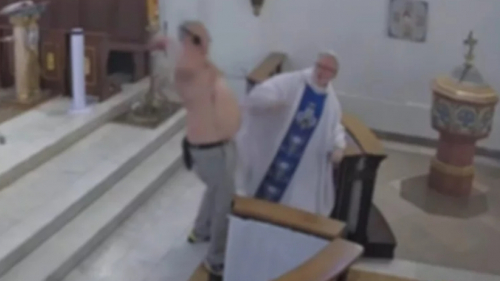
Man vandalises church altar and assaults priest during Mass in Mieścisko
September 13, 2025, PolandA 47-year-old man disrupted a Sunday Mass at the Church of St. Michael the Archangel in Mieścisko, where he vandalised the altar, broke a cross, and verbally and physically confronted the priest. The police detained the man and confirmed that he was intoxicated at the time of the attack.
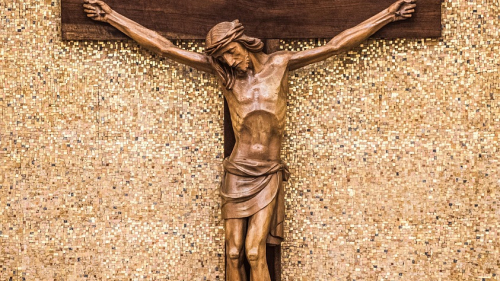
Crucifix Ban in Bavarian School Raises Concerns Over Religious Freedom
August 8, 2025, GermanyA recent ruling by the Bavarian Administrative Court has ordered the removal of a crucifix from a state secondary school, finding that its display violates students’ negative freedom of religion and constitutes unlawful state endorsement of Christianity. The judgment, however, diverges from European Court of Human Rights case law (Lautsi v. Italy) and has raised concerns about the narrowing of religious expression in public institutions and the broader implications for religious freedom and state neutrality in education.

Arson Attack on Evangelical Street Preacher’s Trailer in Gütersloh
June 20, 2025, GermanyIn the pre-dawn hours of June 20, 2025, unknown assailants set fire to a vehicle trailer belonging to street preacher Henning Heinrich Westrup in Gütersloh, North Rhine‑Westphalia. The trailer, emblazoned with the message “Jesus saves”, suffered extensive damage to its protective tarpaulin and exterior in what authorities are investigating as a deliberate act of arson.
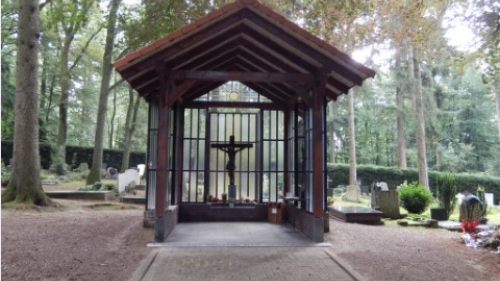
Catholic cemetery and chapel vandalised
May 21, 2025, NetherlandsThe chapel and cemetery in Doorwerth were severely damaged. A statue of Mary was decapitated, a wooden cross bearing a figure of Jesus was smashed, and debris was scattered everywhere. This shocking act has left the faith community in disbelief.
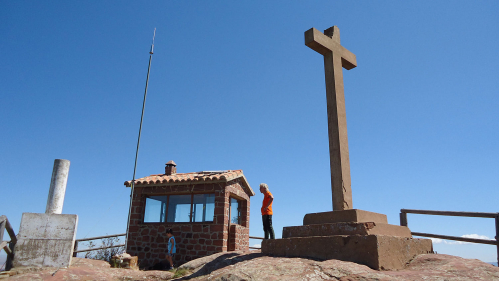
Albarracín cross spared after public outcry: Court blocks demolition
March 11, 2025, SpainFollowing widespread public opposition, the Peña de la Cruz in Albarracín will remain standing. The Administrative Court of Teruel upheld emergency measures to block its removal, and authorities have decided to repair the historic Christian symbol instead of demolishing it.
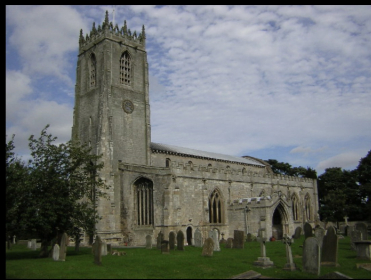
Nottinghamshire village church severely vandalised
February 23, 2025, United KingdomThe church of St Mary and St Martin in Blyth was severely vandalised, with a stained glass window smashed, an effigy of a knight damaged, a knife plunged into the bell tower door and religious objects desecrated.